Emergency Roof Repair in Westminster, CO
When water is dripping through your ceiling, when wind has torn off part of your roof during the night, when a tree branch has come down on the second story, when the next thunderstorm is bearing down on a roof that just took hail damage. That’s not a job for tomorrow’s scheduled repair. Emergency roof repair is fundamentally different from planned repair work, and it requires a contractor who can respond quickly, stabilize the situation properly, and protect your home from further damage while a permanent repair is scheduled. For Westminster, CO homeowners facing a roof emergency, the right response in the first few hours often makes the difference between a stabilized situation and one where water damage spreads through ceilings, walls, and insulation while you wait for help that isn’t coming.
Baseline Roofing and Solar provides emergency roof repair response across Westminster, CO and surrounding Colorado communities. We’re locally based, not a storm-chaser that descends on Westminster, CO after the news cameras leave. And we triage emergency calls based on actual urgency, not on whoever is trying hardest to sign a same-day contract. When we can’t get to you immediately. We’ll tell you what to do to stabilize the situation, recommend who can help if we’re truly slammed, and prioritize your repair on our schedule. Honesty matters more in an emergency than at any other time.
This page covers what counts as a roof emergency, common emergency scenarios in Westminster, CO, what you can safely do before help arrives, our emergency response process, the storm chaser warning that becomes especially important when homeowners are in panic mode, and how to protect yourself from making expensive decisions under pressure.
What Counts as a Roof Emergency
Not every roof problem is an emergency. Knowing the difference helps you communicate the situation accurately when you call, and helps you understand what to expect in terms of response.
True Emergencies (Immediate Response Warranted)
- Active water intrusion during a storm, water visibly running, dripping, or pouring into the home
- Tree or large branch impact that has compromised the roof structure
- Wind damage that has removed substantial portions of the roof and exposed the deck or interior
- Roof collapse or partial structural failure
- Major storm damage with imminent additional weather threatening further damage before tarping
- Skylight failure with active water entry
- Hail damage with shingles missing in patterns that expose the underlayment to ongoing weather
Urgent But Not Emergencies
- Visible damage from a storm with no active leak (ideally inspected within days, but not immediately)
- Slow leaks discovered after the weather has passed
- Suspected hail damage with no interior signs
- Aged roof problems that have finally become noticeable
- Damaged or missing shingles you spotted from the ground
Routine Repair Issues
- General aging concerns about a roof that’s still working
- Cosmetic shingle issues without active leaking
- Pre-emptive maintenance and inspection requests
- Minor flashing concerns without water entry
If you’re in the first category, call now. If you’re in the second category. We’ll get to you quickly during business hours. If you’re in the third. We’ll schedule a normal inspection and assessment.
Common Emergency Scenarios in Westminster, CO
Colorado’s climate produces specific kinds of roof emergencies, often clustered around predictable conditions. Here are the most common we see.
Severe Hail Storms (April through September)
Colorado hail season runs roughly April through September, with peak frequency in May and June. Severe hail events can damage thousands of roofs simultaneously across the area, leading to active leaks during the storm and afterwards. The first 24 to 48 hours after a major hail event are intense for legitimate roofers and chaotic for homeowners. We prioritize calls based on active water entry rather than first-call basis.
Tree and Branch Impact
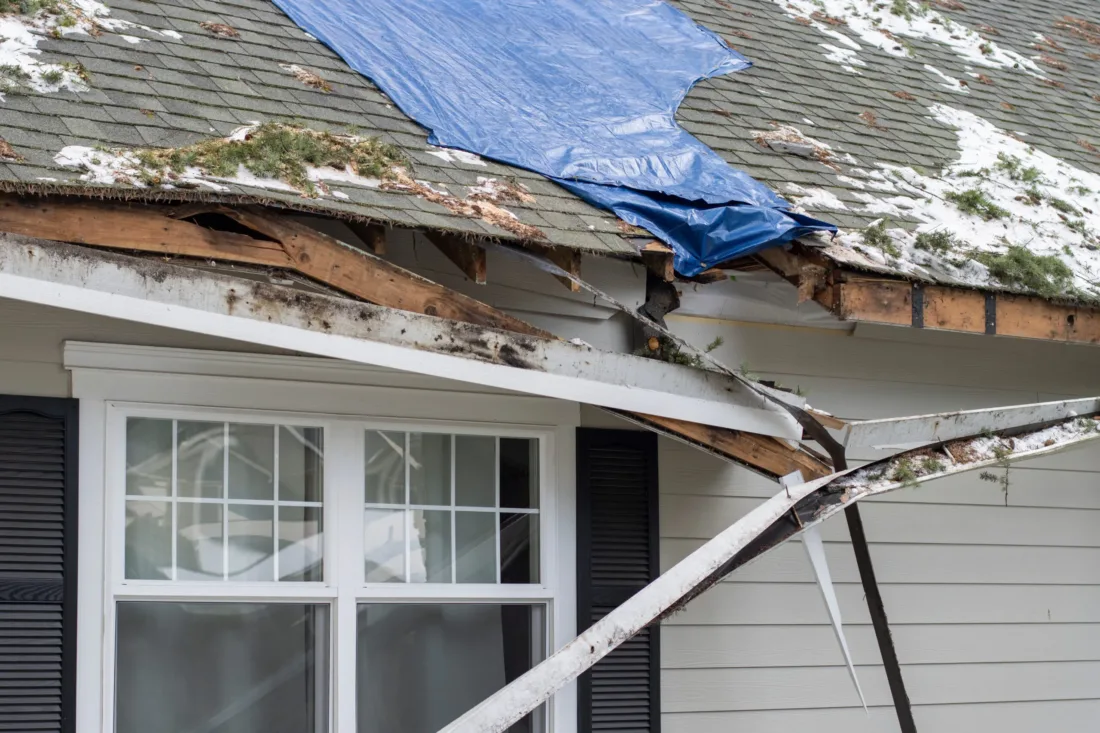
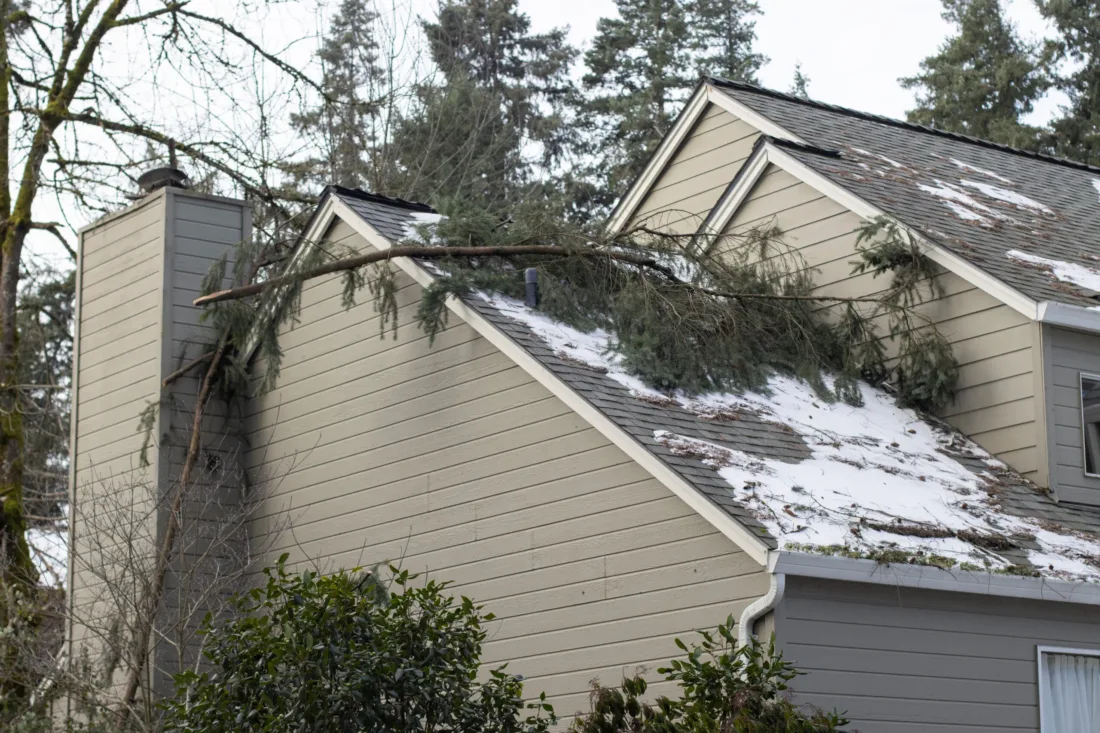
Wind events, heavy spring snow on still-leafed branches, and aging tree limbs over homes all produce tree-impact emergencies. Major impact damage can compromise both the roof system and the underlying structure, emergency response includes assessing whether the home is structurally safe before any roof work proceeds.
Wind Damage from Major Storm Events
Severe thunderstorm gusts regularly exceed 60 mph and occasionally top 80 mph across Colorado. Wind events can lift entire sections of shingles off a roof, expose decking and underlayment to weather, and create immediate water-entry risk if the next system is approaching.
Ice Damming and Active Winter Leaks
Inadequate attic insulation or ventilation can cause ice damming at eaves, and the resulting water backup can drive active interior leaks during the freeze-thaw cycles of Westminster, CO winters. These emergencies tend to come up during heavy snow events followed by warming periods.
Wind-Driven Rain Through Compromised Areas
A roof with minor existing damage that homeowners haven’t addressed can suddenly produce active leaking when an unusually heavy or wind-driven storm arrives. The damage was already there; the storm just exposed what wasn’t quite working.
Skylight and Penetration Failures
Skylight gasket failures or major flashing failures around penetrations can produce sudden, dramatic interior leaks during storm events, often surprising the homeowner because nothing was visibly wrong before.
What to Do Before Help Arrives
If you have an active roof emergency, the first hour or two of homeowner response often matters more than the speed of contractor arrival. Here’s what to do, and what not to do, to protect your home and family while we coordinate the response.
DO: Move what you can away from the water.
Furniture, electronics, important documents, and anything else that can be damaged by water should be moved out of the affected area if you can do it safely. Even small leaks can cause thousands of dollars of secondary damage to flooring, drywall, and contents over a few hours.
DO: Catch the water if you can.
Place buckets, large pots, or anything else that holds water under active drips. Towels around the catch points limit splash damage. Empty buckets before they overflow.
DO: Cut power to affected areas if water is near electrical.
If water is dripping near electrical fixtures, ceiling fans, or outlets, switch off power to those circuits at the breaker panel. Water and electricity together is a serious safety issue.
DO: Document the damage with photos and video.
Take photos and video of the active damage, water, affected interior areas, and any visible exterior damage you can see safely from the ground. This documentation will support your insurance claim. More photos are better than fewer.
DO: Call your insurance carrier.
If the damage is from a covered event (hail, wind, tree fall, etc.), contact your insurance carrier or broker as soon as practical to open a claim. Many policies have specific notification timelines, and starting the claim process early helps everything that follows.
DO NOT: Climb on the roof during or after a storm.
Wet roofs, damaged structural integrity, electrical hazards from downed power lines, and visibility issues all make roof access during or right after a storm extraordinarily dangerous. Falls from roofs are a leading cause of serious injury. Stay on the ground.
DO NOT: Try to apply tarp yourself in active weather.
Even when properly secured, tarps can come loose, become a sail in wind, and cause more damage than they prevent. Properly tarping a damaged roof requires the right equipment, anchoring techniques, and ideally favorable weather. Wait for a professional.
DO NOT: Sign anything immediately after the storm.
Storm-chasing contractors will arrive within hours of any major event with contracts in hand. Don’t sign on the spot under pressure. Get multiple opinions, talk to your insurance carrier, and take the time to make the right decision. We’ll come back to this in detail below.
Our Emergency Response Process
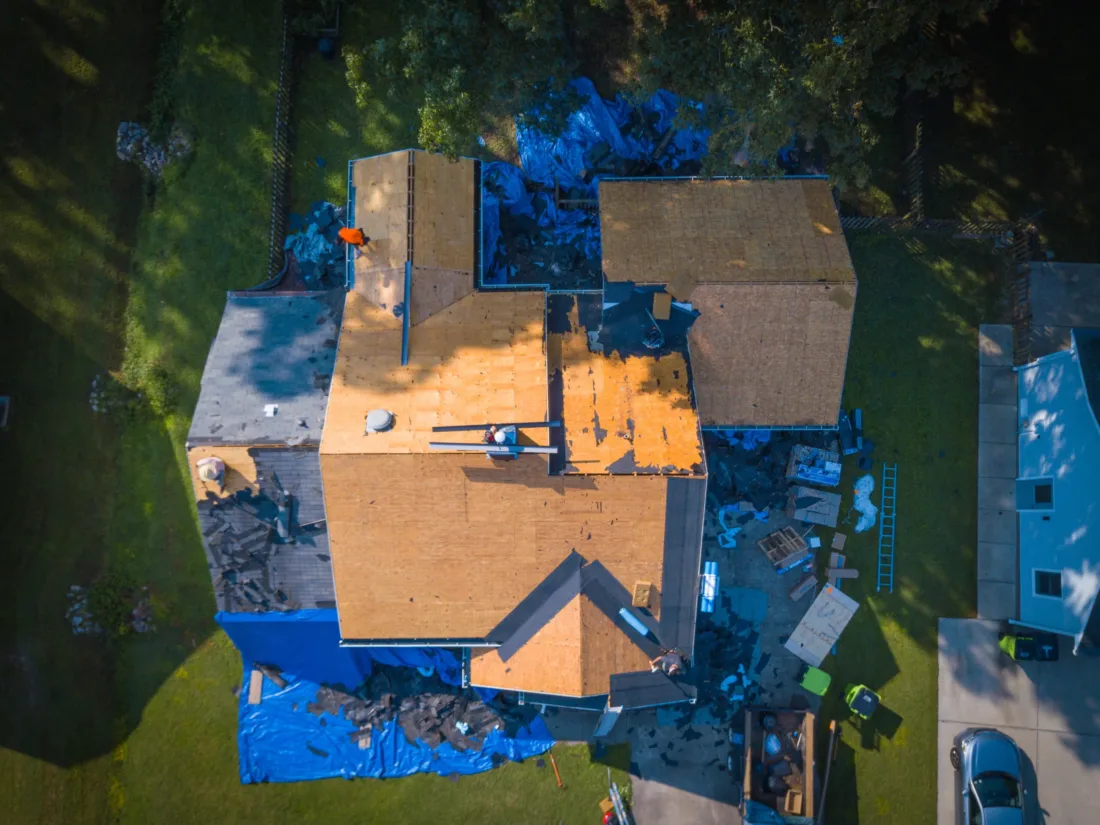
Real emergency response is not just about how fast we can be on-site. It’s about triaging the situation, stabilizing it properly, and setting up a permanent fix that actually solves the problem. Here’s how we handle emergency calls.
- Phone triage. When you call. We’ll ask specific questions: Is anyone in danger? Is there active water entry? Is the home structurally sound? Is there a current weather threat? Based on your answers. We’ll determine response priority.
- Immediate guidance. While we coordinate dispatch. We’ll talk you through what you can safely do right now to protect your home and contents, what to move, where to put buckets, whether to cut power, what to photograph for insurance.
- Honest dispatch. We’ll tell you when we can reasonably be on-site. If we’re booked solid (which happens during major storm events). We’ll tell you that too, and recommend other legitimate local contractors when possible. We’d rather be honest about response time than promise something we can’t deliver.
- Site assessment. Once on-site, we assess the damage, structural integrity, immediate weather risk, and what stabilization is needed before any repair work proceeds.
- Temporary stabilization. For active emergencies, the first job is stabilization, typically tarping the damaged area to stop further water entry. Done right, an emergency tarp can hold for weeks while permanent repair is scheduled and any insurance claim moves through its process.
- Damage documentation. We document the damage thoroughly with photos and notes. This documentation supports your insurance claim and informs the permanent repair scope.
- Insurance coordination. For storm-driven damage, we coordinate with your insurance adjuster on the path forward. We don’t negotiate the claim. That’s not legal for a contractor in Colorado, but we provide what’s needed to support it.
- Permanent repair scheduling. Once the situation is stabilized and any insurance approvals are in place, we schedule the permanent repair on the appropriate timeline. Some emergencies become small repairs; some lead to full replacement.
Storm Chasers and the Emergency-State Homeowner
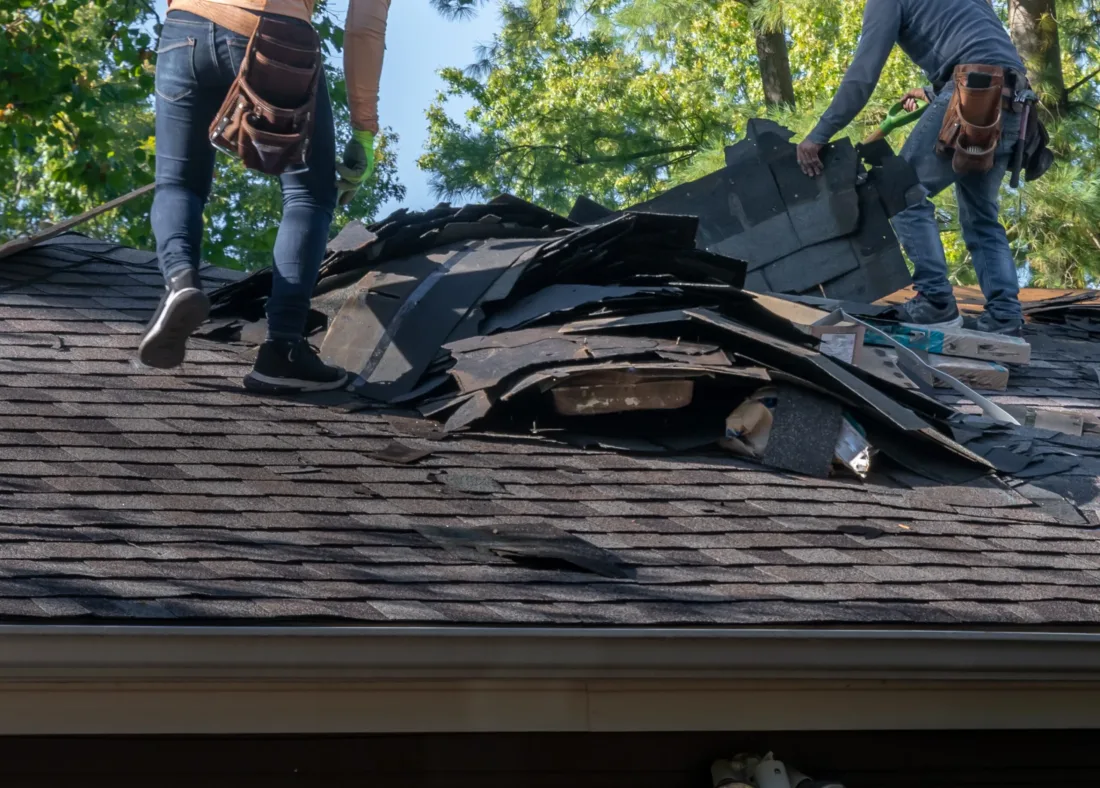
Critical: Storm chasers specifically target homeowners in emergency states. The pressure of an active leak, combined with their door-to-door arrival within hours of a major storm, can pressure homeowners into signing contracts they would never sign with time to think. Knowing what to watch for protects you.
After major hail or wind events in Westminster, CO, out-of-state roofing operations descend on the affected neighborhoods within hours. Some are legitimate. Many are not. The bad ones specifically target homeowners in emergency states because the pressure of active damage, combined with their door-to-door arrival, can override the homeowner’s normal decision-making process. The result: contracts signed under pressure, work done quickly, and operators gone from the area within months, leaving warranties they cannot honor and homeowners with no recourse.
Red flags during emergency response:
- Door-to-door contractors arriving within hours or days of a major storm event
- High pressure to sign on the spot, sometimes before the storm has even fully passed
- Out-of-state license plates and out-of-state phone numbers
- Offers to “waive your deductible”, illegal in Colorado, and a clear sign of an unethical operator
- Offers to climb on your roof immediately to assess damage in unsafe conditions
- Pressure to sign an Assignment of Benefits (AOB) handing your insurance claim over to the contractor
- Promises of specific insurance outcomes, no contractor can legally guarantee a claim result
- Demands for substantial deposits or full payment before work is fully completed
What a legitimate emergency response looks like:
- Calling in response to your reach-out, not appearing unsolicited at your door
- A verifiable physical Colorado address and years of completed work in Westminster, CO
- Willingness to wait while you talk to your insurance carrier and consider your options
- Stabilizing the situation (tarp) as a separate, defined service before discussing permanent repair
- Honest answers about response time, including “we can’t be there until X”
- Written, line-itemed estimates rather than handshake agreements
- Compliance with Colorado contractor and insurance laws
In an emergency, the temptation to just sign something with the first contractor who shows up is real and understandable. Resist it. A poorly chosen contractor in an emergency creates compounding problems, bad work, voided warranties, insurance complications, that take years to unwind. The right contractor in an emergency is the one who behaves the same in your driveway as they would on a routine call.
Insurance Considerations During Roof Emergencies
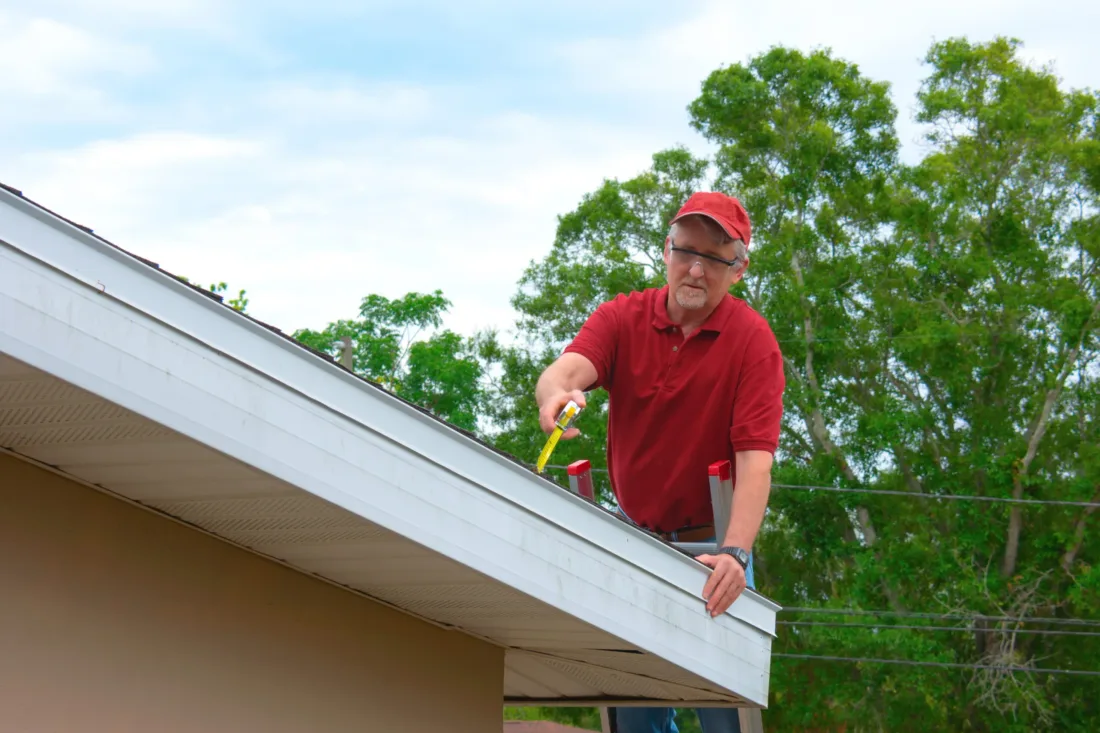
Most roof emergencies in Westminster, CO are storm-driven, which means insurance is in play from the start. A few important points:
Document everything immediately.
Photos, video, dates and times, weather conditions, descriptions of damage. Insurance claims are made stronger by thorough documentation, and emergency-state damage that gets cleaned up before being documented can complicate the claim.
Open the claim quickly.
Most homeowner policies have specific timelines for claim notification after a covered event. Don’t let the deadline slip while you focus on stabilization. Open the claim with your carrier or broker as soon as you reasonably can after the immediate emergency is contained.
Save receipts for emergency mitigation.
If you spend money on emergency stabilization (tarping, water mitigation, immediate temporary repairs), most policies cover reasonable mitigation expenses. Keep all receipts and documentation.
Don’t sign Assignment of Benefits forms in panic.
AOB forms transfer your rights to the insurance proceeds to the contractor. They can be appropriate in some specific cases, but signing one in the rush of an emergency without understanding what you’re agreeing to is one of the more common ways homeowners lose control of their claim. Read carefully, talk to your insurance carrier first, and don’t be rushed.
Contractors don’t negotiate claims in Colorado.
Under Colorado law, roofing contractors cannot legally negotiate insurance claims on the homeowner’s behalf. We can document damage, write repair scopes, and coordinate with your adjuster on the work itself, but the claim itself is between you and your carrier. Anyone offering to “fight your insurance company for you” is operating outside Colorado law.
Frequently Asked Questions: Emergency Roof Repair in Westminster, CO
-
Do you offer 24/7 emergency roof repair?
We respond to emergency calls as quickly as practical. During business hours, we triage and dispatch as fast as our schedule allows. After-hours emergency response depends on availability and severity, for active water entry or structural damage. We’ll do everything we reasonably can to get to you. We won’t make 24/7 promises we can’t always keep, and we’ll be honest about response time on every call.
-
How fast can you respond after a major storm?
Major storm events generate hundreds of simultaneous emergency calls across Westminster, CO and the surrounding area. Our response time depends on the volume of demand, the severity of your situation relative to others, and our crew availability. We triage on actual urgency, prioritize active water entry over inspection requests, and tell you honestly when we can be on-site. After major events, expect demand on legitimate local roofers to be high.
-
What does emergency roof repair cost?
Emergency response typically involves an after-hours or response premium beyond standard repair costs, plus the cost of stabilization (tarp service is often a few hundred dollars) and the actual repair work that follows. For storm-driven emergencies, much of the cost is typically covered by homeowner insurance. We provide written documentation of the work and costs.
-
Do you provide emergency tarp service?
Yes. Properly applied tarps are often the right first response on an actively leaking or storm-damaged roof, stabilizing the situation while permanent repair is scheduled and any insurance claim proceeds. Done right, an emergency tarp can hold for several weeks of additional weather while the permanent repair is coordinated.
-
Should I let a contractor on my roof during or right after a storm?
During an active storm, no. After a storm, yes, for legitimate inspection and stabilization work, but be cautious about what you sign. The pressure of a storm-state homeowner combined with door-to-door storm chasers leads to many problematic contracts. Take the time to verify the contractor is local, licensed, and legitimate before signing anything.
-
Will my insurance cover emergency roof repair?
If the emergency is from a covered event (hail, wind, tree fall, etc.), most homeowner insurance policies cover both the emergency mitigation (tarp service, immediate stabilization) and the permanent repair, subject to your deductible and policy terms. Document everything thoroughly and contact your insurance carrier as soon as practical.
-
What if my home is structurally damaged, not just the roof?
If a tree has fallen through the roof, the roof has partially collapsed, or there’s any sign of structural compromise, the situation is beyond just roofing repair, and may include structural and safety considerations beyond our scope. We’ll assess the situation, coordinate with structural engineers or general contractors as needed, and tell you straight what’s required to make the home safe.
Need Emergency Roof Repair in Westminster, CO Right Now?
If you have an active leak, storm damage threatening further weather exposure, tree impact, or any other roof emergency, call us. We’re locally based, we triage on actual urgency, and we’ll be honest about what we can do and when. We’re not going to pressure you. We’re not going to sign you on a contract before the situation is even stabilized, and we’re not going to disappear after the work is done.
-
More Emergency Residential Roof Repair Locations +
- Emergency Residential Roof Repair in Colorado
- Emergency Residential Roof Repair in Arvada, CO
- Emergency Residential Roof Repair in Aurora, CO
- Emergency Residential Roof Repair in Berthoud, CO
- Emergency Residential Roof Repair in Boulder, CO
- Emergency Residential Roof Repair in Brighton, CO
- Emergency Residential Roof Repair in Broomfield, CO
- Emergency Residential Roof Repair in Castle Pines, CO
- Emergency Residential Roof Repair in Castle Rock, CO
- Emergency Residential Roof Repair in Centennial, CO
- Emergency Residential Roof Repair in Cherry Creek, CO
- Emergency Residential Roof Repair in Cherry Hills Village, CO
- Emergency Residential Roof Repair in Colorado Springs, CO
- Emergency Residential Roof Repair in Commerce City, CO
- Emergency Residential Roof Repair in Englewood, CO
- Emergency Residential Roof Repair in Erie, CO
- Emergency Residential Roof Repair in Firestone, CO
- Emergency Residential Roof Repair in Fort Collins, CO
- Emergency Residential Roof Repair in Frederick, CO
- Emergency Residential Roof Repair in Golden, CO
- Emergency Residential Roof Repair in Greeley, CO
- Emergency Residential Roof Repair in Greenwood Village, CO
- Emergency Residential Roof Repair in Gunbarrel, CO
- Emergency Residential Roof Repair in Highlands Ranch, CO
- Emergency Residential Roof Repair in Lafayette, CO
- Emergency Residential Roof Repair in Lakewood, CO
- Emergency Residential Roof Repair in Littleton, CO
- Emergency Residential Roof Repair in Lone Tree, CO
- Emergency Residential Roof Repair in Longmont, CO
- Emergency Residential Roof Repair in Louisville, CO
- Emergency Residential Roof Repair in Loveland, CO
- Emergency Residential Roof Repair in Mead, CO
- Emergency Residential Roof Repair in Niwot, CO
- Emergency Residential Roof Repair in Northglenn, CO
- Emergency Residential Roof Repair in Parker, CO
- Emergency Residential Roof Repair in Superior, CO
- Emergency Residential Roof Repair in Thornton, CO
- Emergency Residential Roof Repair in Westminster, CO
- Emergency Residential Roof Repair in Wheat Ridge, CO
- Emergency Residential Roof Repair in Windsor, CO