Denver, CO Roofing Contractor
Choosing a roofing contractor in Denver is one of the most consequential financial decisions most homeowners ever make. A residential roof replacement on a typical Denver home runs $15,000 to $40,000+, much of it often funded through hail or wind damage insurance claims. The contractor you hire determines whether that investment performs for the next 25 to 50 years, or whether you spend the next several years fighting failed installations, voided warranties, leaks the original installer won't return calls for, and an insurance claim file that follows your property forever. The right contractor is genuinely the difference between a roof that protects your family for decades and a long, expensive headache.
Baseline Roofing and Solar is a Denver-based residential roofing contractor serving homeowners across the Denver metro, the Front Range, and most of Colorado. We were built around a simple principle: Denver homeowners deserve a contractor who shows up on time, communicates clearly, installs to manufacturer specification, complies with Colorado's specific contractor and insurance laws, and is still here to honor warranty claims years after the project is finished. That's the standard we hold ourselves to on every project.
On this page. We'll walk you through what a residential roofing contractor actually does, exactly how to vet one (the questions, the credentials, the red flags), the manufacturer certifications that matter for your warranty, the storm-chaser warnings every Denver homeowner needs to understand, and what working with Baseline looks like from first call to final walkthrough.
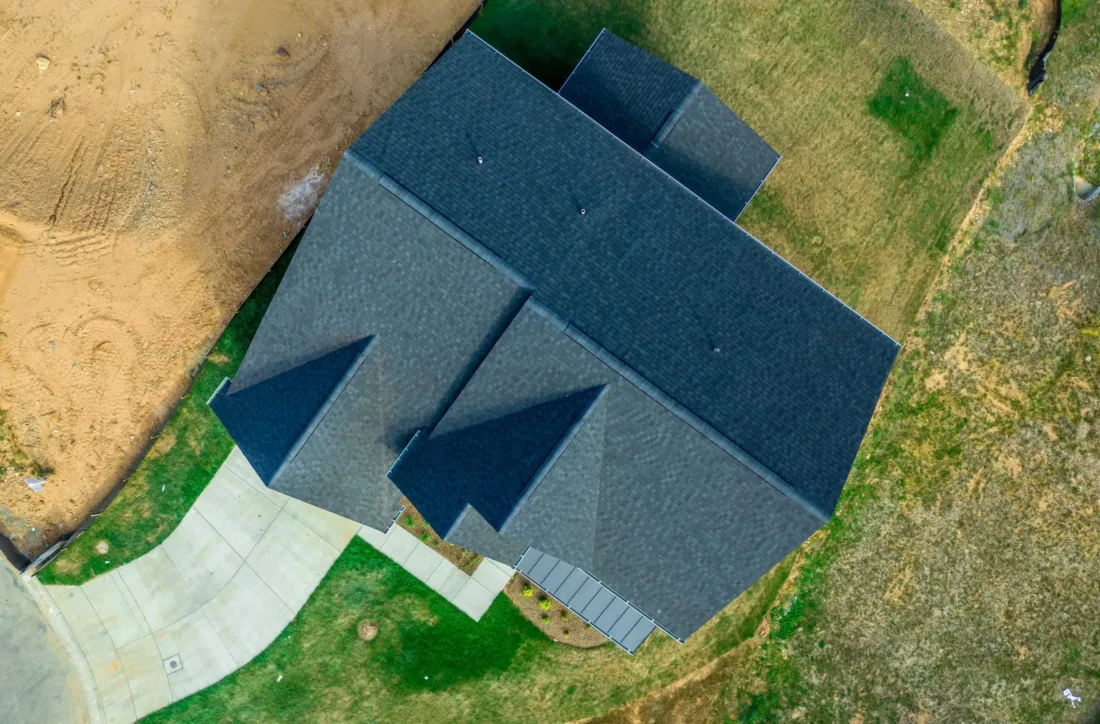
What a Residential Roofing Contractor Actually Does
A residential roofing contractor is a specialized contractor licensed, trained, and certified to install, replace, repair, inspect, and maintain pitched residential roof systems. The work covers a much wider scope than most homeowners realize, which is part of why credentials and experience matter so much.
In practical terms, a qualified Denver residential roofing contractor handles:
- Inspecting roofs to identify damage, aging, and underlying issues that may affect repair or replacement decisions
- Specifying the right roofing system, material, manufacturer, accessories, based on the home, the neighborhood, the climate, and your priorities
- Installing new roofs on new construction homes and additions
- Tearing off and replacing aging or damaged roofs while protecting the home and property during the work
- Repairing leaks, missing shingles, flashing failures, ventilation issues, and storm damage
- Responding to roof emergencies and stabilizing the home when active leaks threaten interior damage
- Documenting hail and storm damage for insurance claim submissions
- Coordinating with insurance adjusters during joint inspections (within Colorado law, contractors cannot legally negotiate claims)
- Performing periodic maintenance to maximize the roof's service life
- Coordinating solar panel detach-and-reset on homes with rooftop solar
Each of these tasks requires specific expertise, equipment, and certifications. A general handyman, a friend's brother who "does roofing," or an out-of-state contractor that knocked on your door after the last hailstorm is not the same as a local manufacturer-certified residential roofing contractor, and the difference shows up in the warranty, the workmanship, and whether anyone answers the phone in three years when something needs attention.
How to Choose a Roofing Contractor in Denver
Denver has hundreds of roofing companies. After every major hailstorm, hundreds more show up from out of state. Knowing what to look for, and what to ask, protects your home, your warranty, and your wallet. Here's the framework we recommend, even if you don't end up hiring us.
1. Verify Licensing and Insurance
Any roofing contractor working on your Denver home must be properly licensed in Colorado and the local jurisdiction, and must carry both general liability insurance and workers' compensation coverage. Always ask for a certificate of insurance (COI) before work begins, and confirm it's current. If a contractor is uninsured and a worker is injured on your roof, you can be held personally liable. Baseline Roofing and Solar is fully licensed and insured. And we provide a current COI on request for every project.
2. Confirm Manufacturer Certifications
Residential roofing manufacturers, GAF, CertainTeed, Owens Corning, Malarkey, Atlas, IKO, and others, maintain their own certification programs for installers. The premium tier programs (GAF Master Elite, CertainTeed SELECT ShingleMaster, Owens Corning Platinum Preferred) require the contractor to meet specific standards on training, insurance, references, and ongoing performance. Long-term manufacturer warranties, including 50-year non-prorated coverage available on premium shingle systems, generally require certified installers. A non-certified install voids the warranty before the new roof is even finished. Ask which certifications the contractor holds and verify directly with the manufacturer if you have any doubt.
3. Verify Local Address and History
This matters more than most homeowners realize. Look for a verifiable physical address in Denver or the surrounding area, a history of completed local projects that predates the most recent hailstorm, and an established online presence (Google reviews going back several years, not just from the past month). Out-of-state plates, recently created websites, and contractors who can't show local history are red flags, particularly after major storm events.
4. Get Written, Detailed Proposals
A real roofing proposal should clearly identify the manufacturer and product being installed, the underlayment and accessories, the warranty terms, the project timeline, and the complete price, not vague line items or a one-page handwritten estimate. If a contractor can't or won't put the details in writing, walk away. Every Baseline proposal is written, line-itemed, and explained to you so you understand exactly what you're paying for.
5. Compare Multiple Bids: Carefully
Get at least two or three bids from different contractors. But here's the thing: the cheapest bid isn't always the best deal, and sometimes a dramatically lower price signals corners being cut on materials, labor, or insurance compliance. We'll often tell homeowners exactly why a competitor's bid is unrealistically low. Cheap roof replacements that fail in 5 years cost more than properly installed roofs that last 30.
6. Check Reviews and References
Look at Google reviews, Better Business Bureau ratings, and any references the contractor provides. Pay particular attention to how negative reviews are handled, accountability and responsiveness on review platforms tend to mirror accountability on the actual job.
7. Confirm Colorado Law Compliance
Colorado has specific roofing laws (SB 12-038 / C.R.S. § 6-22-101 et seq.) that govern roofing contracts on insurance-funded work. Contractors are required to include specific contract language, are prohibited from waiving or rebating insurance deductibles ("we'll waive your deductible" is illegal in Colorado, and a serious red flag from any contractor who offers it), and cannot legally negotiate insurance claims on your behalf. We comply with all of these requirements, every time.
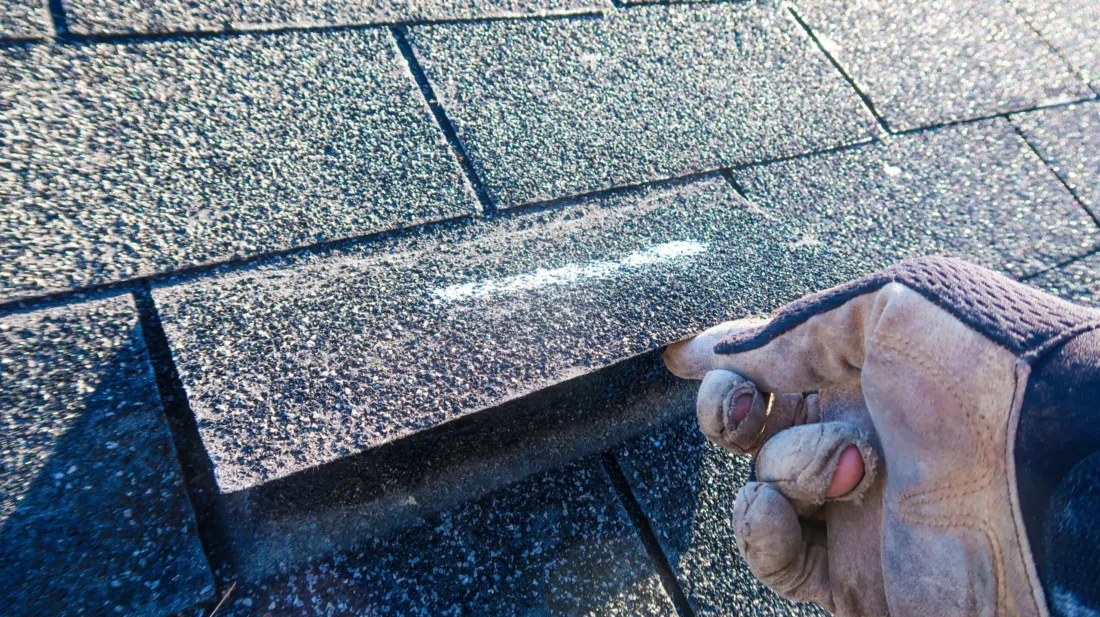
Storm Chasers: The Single Biggest Risk to Denver Homeowners
Heads up: After every major hail or windstorm in Denver, out-of-state roofing operations flood the area going door-to-door offering "free roof inspections" and promising to handle your insurance claim. Some are legitimate. Many are not. Knowing the difference protects your home, your warranty, and your wallet.
Denver's place in Hail Alley makes the metro area a recurring destination for storm-chasing roofing operations. These are companies, often based in other states, that follow major storms across the country, set up temporary operations in the affected area, knock on doors aggressively, sign up homeowners on insurance-funded jobs, do the work fast, and move on once the season ends. The legitimate ones complete reasonable work. The bad ones leave warranties they cannot honor, walk away from warranty calls, and disappear when problems surface a year or two later, leaving Denver homeowners with no recourse.
Red flags that should make you walk away immediately:
- Door-to-door solicitation immediately after a storm, particularly aggressive or pressuring
- Out-of-state license plates and out-of-state phone numbers
- Pressure to sign a contract on the spot before getting other estimates
- Offers to "waive your deductible", this is illegal in Colorado
- Offers to inflate the insurance claim to cover your deductible, this is insurance fraud
- Vague or refused answers about Colorado licensing, insurance, and certifications
- No verifiable physical Colorado address, or a website created in the last few weeks
- Promises of specific insurance claim outcomes, no contractor can legally guarantee an insurance result
- Claims that they need to climb on your roof "right now" to assess storm damage
- Asking you to sign a contract or AOB (Assignment of Benefits) before getting your insurance carrier's input
What a legitimate Denver roofing contractor looks like:
- A verifiable physical address in Colorado
- Years of completed work in the Denver metro that predates the most recent storm
- Manufacturer certifications you can verify directly
- Current Colorado licensing and insurance with COIs available
- Contracts that comply with Colorado SB 12-038 / C.R.S. § 6-22-101 et seq.
- References from previous Denver-area homeowners you can actually call
- Honest answers about what your roof needs, including answers you may not want to hear
- Willingness to wait while you talk to your insurance carrier and consider your options
Baseline Roofing and Solar is based in Denver. Our owner has spent more than 15 years in the roofing industry, most of it serving the Front Range, and the company isn't going anywhere when storms move on. That permanence matters when warranty calls come up two, five, or ten years after the work is done. It's also why we never go door-to-door, never pressure homeowners on the spot, and always recommend you take time to make the right decision.
What Makes Baseline a Different Kind of Roofing Contractor
Most residential roofing companies in Denver fall into one of three categories: out-of-state storm chasers, large volume operations that treat clients like ticket numbers, and small companies that lack the certifications, infrastructure, or insurance compliance to handle the work properly. Baseline was built specifically to occupy the gap between those, the experienced, certified, locally-anchored contractor that Denver homeowners actually want to work with.
Owner-led.
Baseline's owner spent over 15 years in the roofing industry before starting the company three years ago. That experience is built into every project. When you work with us. You're not getting passed off to a junior estimator with a pre-printed quote. You're getting the benefit of an owner who has personally seen what works and what fails on Denver homes.
Manufacturer-certified across the brands that matter.
We hold certifications with the major residential roofing manufacturers, which means we can install whichever product fits your home best, and the long-term manufacturer warranties are real, registered to your home, and honored when you actually need them.
Honest about insurance, within Colorado law.
We document storm damage thoroughly, write manufacturer-spec scopes, and coordinate with your adjuster on-site. We do not negotiate the claim. That's not legal for a contractor in Colorado. We do not waive deductibles. We do not promise specific claim outcomes. What we do is provide the documentation that supports your claim and the workmanship that makes the new roof real.
Built around client service.
We compete on quality of work, communication, and honest pricing, not on being the biggest. That trade-off matters. Our clients consistently tell us the experience of working with Baseline is fundamentally different from what they've had with the larger Denver operations or the storm-chasing competition.
Working With Baseline: What to Expect
Hiring a residential roofing contractor should not feel like a black box. Here's what working with us actually looks like, from first contact through long-term support.
- First contact. Call (720) 780-0488 or submit a request online. We'll set up an on-site inspection, typically within a few business days for non-emergencies, and as fast as possible for active leaks.
- On-site inspection. A qualified estimator inspects the roof, photographs conditions, identifies damage, and (where applicable) documents storm damage thoroughly for insurance purposes.
- Honest assessment. We sit down with you and walk through what we found, what your options are, and the trade-offs. No pressure, no scare tactics, no fake urgency, no "we have to start tomorrow" pitches.
- Written proposal. You receive a detailed, line-itemed written proposal that identifies the manufacturer, product, warranty terms, project timeline, and complete price. We're happy to revise based on your input.
- Insurance coordination (where applicable). For storm-driven projects, we coordinate with your adjuster, document supplemental damage as discovered, and provide everything you need to support your claim.
- Contract and scheduling. Once approved, we coordinate the project around weather windows. We'll tell you exactly when work will start and approximately how long it will take.
- Pre-construction walk-through. Before crews arrive, we walk through the project plan with you, site protection, work hours, daily cleanup, your point of contact during the project.
- Installation. Our certified crews install your roof to manufacturer specification, with clean job-site management and respect for your property, landscaping, and family schedule.
- Final walkthrough. We walk the completed roof with you, document the installation with photos, register the manufacturer warranty in your name, and provide our workmanship warranty in writing.
- Ongoing support. We're here for the life of the roof, for warranty questions, future inspections, or anything that comes up down the road. We're not going anywhere.

Service Area
Baseline Roofing and Solar serves residential properties across the Denver metro, the Front Range, and most of Colorado. Active service areas include Denver, Aurora, Lakewood, Centennial, Englewood, Littleton, Arvada, Westminster, Thornton, Wheat Ridge, Commerce City, Northglenn, Broomfield, Golden, Glendale, Boulder, Longmont, Loveland, Fort Collins, Greeley, Erie, Lafayette, Louisville, Castle Rock, Castle Pines, Parker, Highlands Ranch, Lone Tree, Monument, and Colorado Springs, along with mountain communities including Evergreen, Conifer, Idaho Springs, Breckenridge, Frisco, Vail, and Steamboat Springs. If your home is anywhere in Colorado, give us a call. We'll tell you straight whether we can serve you well from our Denver base.
Frequently Asked Questions: Hiring a Denver Roofing Contractor
-
How do I know if a roofing contractor in Denver is legitimate?
Verify three things: a current Colorado contractor license, an active certificate of insurance covering general liability and workers' compensation, and at least one current manufacturer certification for the system being proposed. Beyond that, look for a verifiable Colorado address, online reviews going back at least a year, references from previous Denver homeowners, and a willingness to put everything in writing. If a contractor balks at any of these, walk away.
-
What's the difference between a local roofing contractor and a storm chaser?
A local contractor has a verifiable Colorado address, years of completed work in the Denver metro, manufacturer certifications you can verify directly, and is going to be here in 5 or 10 years when you need warranty service. A storm chaser is typically based out of state, follows major hail events from one region to another, sets up temporary local operations, signs up homeowners aggressively after storms, and is gone within a year or two of completing work. Their warranties are theoretically valid; in practice. They're worthless because the company can't be reached when called.
-
Can a roofing contractor negotiate my insurance claim?
No. Under Colorado law, roofing contractors are not licensed to act as insurance adjusters or negotiate claims. We can document damage, write repair scopes, and coordinate with your adjuster about the work itself, but the claim is between you and your carrier. Anyone offering to "handle your insurance claim" or "fight the insurance company for you" as a contractor is operating outside Colorado law. If you need claim negotiation, the appropriate professional is a licensed public adjuster.
-
Should I let a contractor inspect my roof for free?
Free inspections from legitimate local contractors are standard and welcome. They're how you get information before deciding on a project. Just be careful about the context. If a contractor is going door-to-door pressuring you to sign a contract on the spot. That's not really a free inspection. That's a high-pressure sales tactic. Schedule the inspection on your timeline, get multiple opinions, and don't sign anything immediately.
-
How many bids should I get for a roof replacement?
At least two or three from different qualified contractors. Be cautious about the lowest bid, sometimes a dramatically lower price signals corners being cut on materials, labor compliance, or insurance. The right contractor isn't necessarily the cheapest one, but they should be able to clearly explain why their price is what it is.
-
What manufacturer certifications should I look for in a Denver roofing contractor?
Premium-tier manufacturer certifications include GAF Master Elite, CertainTeed SELECT ShingleMaster, and Owens Corning Platinum Preferred. These are programs that require the contractor to meet specific standards on training, insurance, references, and ongoing performance. Long-term and non-prorated manufacturer warranties usually require certified installers. Baseline holds certifications across the major manufacturers.
-
Why is local accountability so important for residential roofing?
Roofing manufacturer warranties often run 30 to 50 years. Workmanship warranties from the contractor extend for years after the project. When something needs attention 3, 5, or 10 years from now, the contractor needs to actually exist and be reachable to honor those warranties. Out-of-state operators that move on after a storm season cannot provide that long-term accountability, and the warranty paperwork they leave behind, however legitimate it looks, often has no functional value when called upon.
Get a Free Roofing Estimate in Denver
Whether you need a roof replacement after hail damage, a leak repaired before the next storm, an inspection on a home you're buying, or just a second opinion on a quote you've already received, Baseline Roofing and Solar is ready to help. We are local, owner-led, manufacturer-certified, fully licensed and insured, and built specifically to deliver the kind of accountability and quality Denver homeowners actually deserve from a roofing contractor.
-
More Residential Roofing Contractor Locations +
- Residential Roofing Contractor in Colorado
- Residential Roofing Contractor in Arvada, CO
- Residential Roofing Contractor in Aurora, CO
- Residential Roofing Contractor in Berthoud, CO
- Residential Roofing Contractor in Boulder, CO
- Residential Roofing Contractor in Brighton, CO
- Residential Roofing Contractor in Broomfield, CO
- Residential Roofing Contractor in Castle Pines, CO
- Residential Roofing Contractor in Castle Rock, CO
- Residential Roofing Contractor in Centennial, CO
- Residential Roofing Contractor in Cherry Creek, CO
- Residential Roofing Contractor in Cherry Hills Village, CO
- Residential Roofing Contractor in Colorado Springs, CO
- Residential Roofing Contractor in Commerce City, CO
- Residential Roofing Contractor in Englewood, CO
- Residential Roofing Contractor in Erie, CO
- Residential Roofing Contractor in Firestone, CO
- Residential Roofing Contractor in Fort Collins, CO
- Residential Roofing Contractor in Frederick, CO
- Residential Roofing Contractor in Golden, CO
- Residential Roofing Contractor in Greeley, CO
- Residential Roofing Contractor in Greenwood Village, CO
- Residential Roofing Contractor in Gunbarrel, CO
- Residential Roofing Contractor in Highlands Ranch, CO
- Residential Roofing Contractor in Lafayette, CO
- Residential Roofing Contractor in Lakewood, CO
- Residential Roofing Contractor in Littleton, CO
- Residential Roofing Contractor in Lone Tree, CO
- Residential Roofing Contractor in Longmont, CO
- Residential Roofing Contractor in Louisville, CO
- Residential Roofing Contractor in Loveland, CO
- Residential Roofing Contractor in Mead, CO
- Residential Roofing Contractor in Niwot, CO
- Residential Roofing Contractor in Northglenn, CO
- Residential Roofing Contractor in Parker, CO
- Residential Roofing Contractor in Superior, CO
- Residential Roofing Contractor in Thornton, CO
- Residential Roofing Contractor in Westminster, CO
- Residential Roofing Contractor in Wheat Ridge, CO
- Residential Roofing Contractor in Windsor, CO