Commercial Spray Foam Roofing in Thornton, CO
Spray Polyurethane Foam, usually called SPF or commercial spray foam roofing, is a uniquely powerful commercial roofing system that combines insulation and waterproofing in a single sprayed-in-place application. Unlike single-ply membranes, modified bitumen, or built-up systems that install in pieces with seams between them, SPF expands and cures into a continuous, fully-adhered, seamless foam layer that conforms to whatever surface it’s sprayed onto. It’s installed by a small number of qualified contractors in Thornton, CO, and when conditions are right. It’s one of the strongest options available for commercial roofing, particularly on retrofit projects.
Baseline Roofing and Solar specifies and applies commercial spray foam roofing systems across Thornton, CO and surrounding Colorado communities. We use manufacturer-approved SPF products with the protective top coatings they require for long service life, typically silicone, sometimes acrylic, depending on the project. SPF is not the right answer for every commercial roof, and we’ll tell you straight whether it’s the right system for your specific building or whether a different approach (single-ply, modified bitumen, BUR, or coatings on the existing system) makes more sense.
On this page. We’ll explain what SPF actually is, the genuine advantages it offers Thornton, CO commercial buildings, the real limitations to understand before choosing it, where SPF works best, the application process, the protective coating requirement that’s essential to long-term performance, and how SPF performs in Colorado’s specific climate.
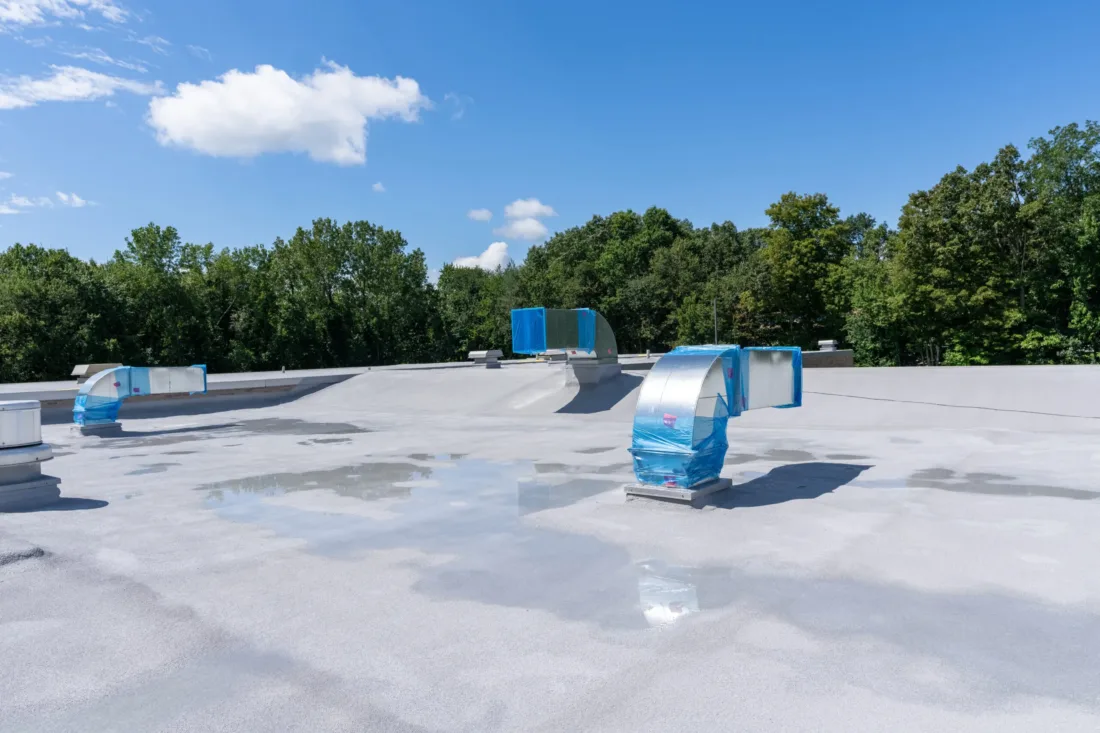
What Spray Foam Roofing Actually Is
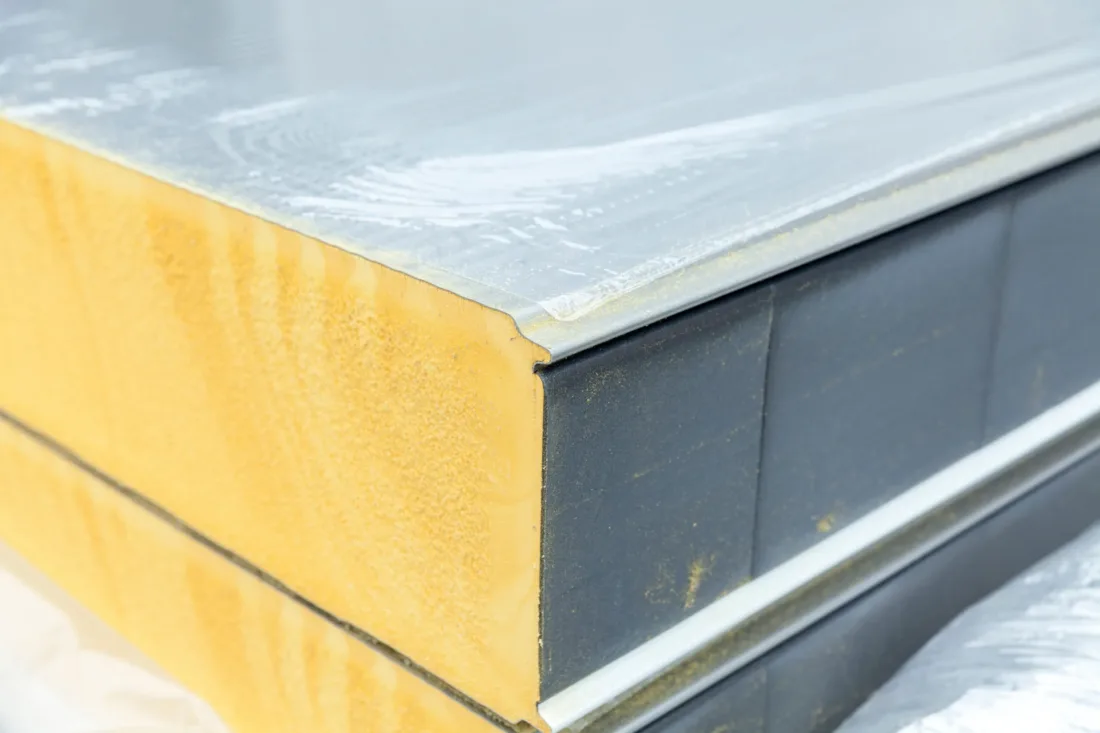
Commercial spray polyurethane foam roofing is a two-component liquid system applied to the roof through specialized spray equipment. The two components, an A-side (isocyanate) and a B-side (resin blend), are mixed at the spray gun and applied to the roof surface, where they react chemically and expand approximately 30 times their liquid volume into a closed-cell rigid polyurethane foam. The foam cures within seconds of application, allowing the contractor to spray to the specified thickness in a continuous pass that adheres directly to the substrate.
Once cured, the foam is rigid, lightweight, fully-adhered, seamless, and self-flashing around any penetration, parapet, or rooftop equipment it was sprayed around. The foam itself isn’t UV-stable, which is why every legitimate SPF roof system includes a protective top coating layer over the foam. The combination of foam plus protective coating is what makes a complete commercial SPF roofing system.
SPF was developed in the 1960s and has been installed on commercial buildings for over 50 years. Modern formulations have closed-cell densities of 2.5 to 3.0 pounds per cubic foot for roofing applications, with R-values typically around R-6.5 per inch, the highest R-value per inch of any commercial roofing material.
The Real Advantages of SPF Roofing for Thornton, CO Commercial Buildings
SPF has specific, measurable advantages that make it the right call on the right buildings.
Insulation and waterproofing in one application.
This is the headline. Most commercial roof systems require separate insulation and membrane layers, rigid insulation board installed first, then membrane installed over it. SPF combines both functions in a single application, often producing thermal performance that exceeds what a comparable thickness of board insulation would deliver.
Highest R-value per inch of any roofing system.
At roughly R-6.5 per inch, SPF delivers more thermal resistance per inch than rigid polyiso (R-5 to R-6 per inch), EPS (R-3.6 to R-4.2 per inch), or any other commercial insulation. For Thornton, CO buildings where energy code R-value targets are demanding and thickness is a constraint, SPF often gets you to spec in less depth than alternatives.
Seamless, fully-adhered membrane.
Single-ply systems, modified bitumen, and built-up roofs all have seams, and seams are where most commercial roofs eventually leak. SPF has no seams. The foam bonds directly to the substrate across the entire roof surface, with self-flashing around every penetration. This eliminates the most common leak path category on commercial roofs.
Excellent recover application without tear-off.
SPF can be applied directly over most existing commercial roof systems, single-ply, built-up, modified bitumen, even metal, provided the existing system is sound and dry. This means re-roofing without a tear-off, which saves disposal costs, eliminates downtime, and avoids opening the building to weather during the work.
Self-flashing around complex penetrations.
HVAC curbs, vent stacks, conduit, drains, and irregular roof shapes that are difficult to flash with sheet membranes are easy with SPF, the spray simply conforms to whatever shape it’s applied around, creating a continuous waterproof bond.
Adds positive slope where existing drainage is poor.
SPF can be applied at varying thicknesses to add slope toward drains on existing roofs that have inadequate or failed drainage. Tapered insulation in board form does the same thing but takes more design and labor time.
Lightweight.
A typical 3-inch SPF system weighs roughly 0.5 pounds per square foot, far less than gravel ballast on a built-up roof or board insulation plus single-ply. On older buildings with structural load constraints, this matters.
The Honest Limitations of Spray Foam Roofing
SPF is not the right answer for every commercial roof. Here are the trade-offs to understand before choosing it.
Application is highly weather-sensitive.
SPF requires specific conditions for proper application: substrate temperatures generally above 50°F, no rain or moisture on the substrate, low wind (because the spray itself can drift in wind), and stable temperatures during cure. Application windows in Thornton, CO are limited to specific weather conditions and seasons. Cold snaps and afternoon thunderstorms can interrupt or disqualify a planned application day.
Application skill matters enormously.
SPF is technique-sensitive. The mix ratio, spray pattern, pass thickness, and substrate prep all affect whether the foam cures properly into a sound roof or into a flawed roof with voids, off-ratio chemistry, or poor adhesion. The contractor difference between a great SPF crew and an inexperienced one is significant, a key reason there are relatively few qualified SPF contractors in Thornton, CO.
The protective coating is non-negotiable.
Cured SPF foam has poor UV resistance and degrades when exposed directly to sunlight. Every legitimate SPF roof system includes a protective top coating, typically silicone, sometimes acrylic, occasionally a urethane-based system, that protects the foam from UV. The coating must be maintained over the roof’s life (recoated periodically) for the system to deliver its full service life.
Hail damage requires specific repair approach.
Hail can damage SPF, both the foam and the protective coating layer. Repair involves spot-foaming impact craters and recoating affected areas. Properly repaired SPF roofs continue to perform well, but the repair process is different from membrane systems and requires the same SPF-specific expertise as the original application.
Foot traffic causes wear.
SPF is reasonably durable but softer underfoot than rigid insulation board. Heavy foot traffic, dropped tools, and rooftop equipment service can damage the foam and coating layer over time. Walkway pads at high-traffic areas are recommended on most SPF roofs.
Higher upfront cost than some alternatives.
SPF typically costs more per square foot than basic single-ply or modified bitumen systems. The thermal performance and recover application benefits often justify the cost, but on a pure dollar-per-square-foot basis at install, SPF is not the cheapest option.
Where SPF Roofing Works Best
SPF is the right call in these specific situations:
- Re-roof and recover projects where tear-off would be costly or disruptive
- Buildings with complex roof geometry, many penetrations, irregular shapes, parapet walls, transitions
- Projects where energy code R-value targets are demanding and thickness is constrained
- Older commercial buildings with structural load constraints that favor lightweight systems
- Buildings with chronic ponding water that would benefit from added slope
- Properties where a seamless, self-flashing system has clear advantages, high-penetration roofs, food service, manufacturing
- New construction where the dual insulation/waterproofing benefit simplifies the roof assembly
SPF is not the right answer when application weather windows are too tight to schedule reliably, when the existing substrate isn’t sound or has saturated insulation, when cost-per-square-foot is the dominant decision criterion, or when there isn’t a qualified SPF contractor available to do the work properly.
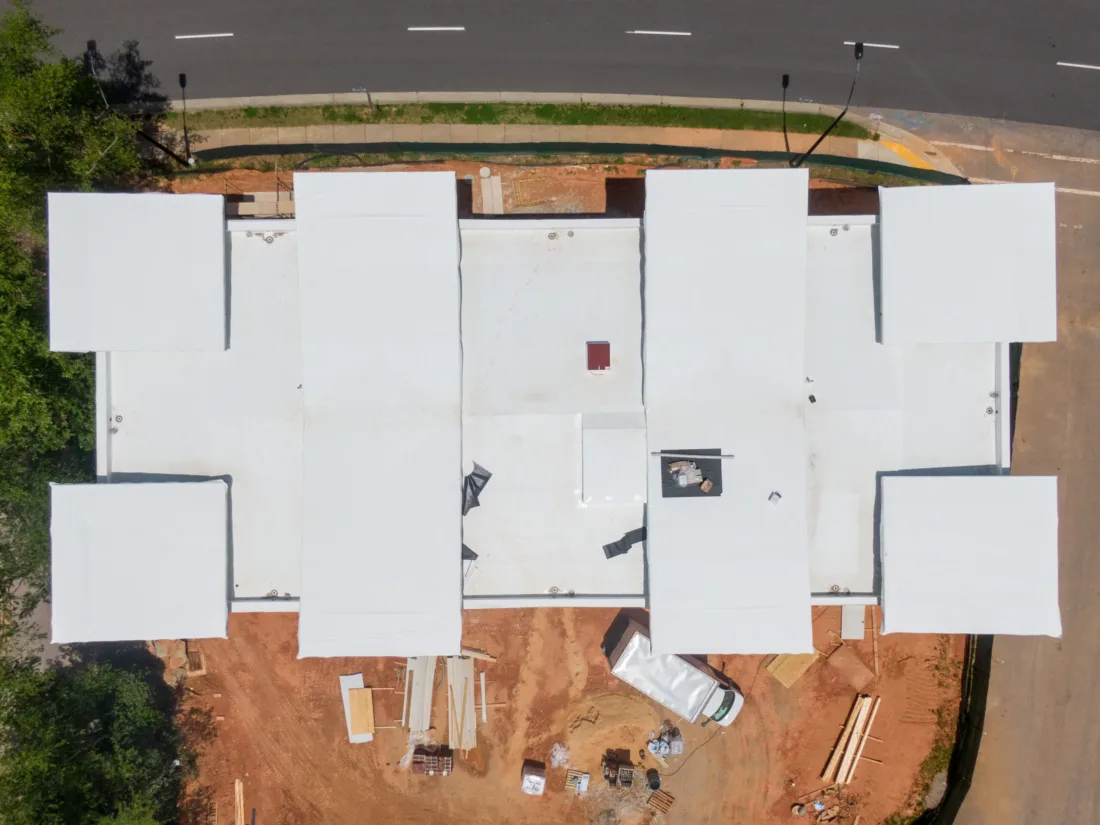
How a Commercial Spray Foam Roof Is Installed
SPF application is a coordinated process that depends on weather, equipment, and skilled crews. Here’s how the work runs.
- Inspection and substrate confirmation. We confirm the existing roof is suitable for SPF application, substrate sound, dry, and clean. Where moisture is present in existing insulation, that material has to come out before SPF goes down.
- Repairs and prep. Damaged areas of the existing roof are repaired. The substrate is power-washed and allowed to dry completely. Loose materials are removed.
- Weather window confirmation. We confirm forecasted weather supports proper application, temperatures, humidity, wind, and rain probability. SPF goes down in the right weather or it doesn’t go down.
- Equipment setup and chemical conditioning. SPF requires heated, pressurized two-component spray equipment. The chemical components are conditioned to the manufacturer-specified temperature, and pump ratios are calibrated before any foam goes on the roof.
- Foam application. The crew applies foam in passes of approximately 1 to 1.5 inches per pass, building up to the specified total thickness. Foam cures within seconds of application, allowing successive passes within minutes of each other.
- Foam inspection and trimming. Once cured, the foam is inspected for voids, off-ratio cure, or surface irregularities. Any issues are addressed before coating.
- Protective top coating application. The protective coating, typically silicone, is applied over the cured foam at the manufacturer-specified mil thickness. This is the layer that protects the foam from UV and provides long-term weather resistance.
- Detail reinforcement (where appropriate). High-stress areas can include reinforcing fabric embedded in the coating during application.
- Final inspection and warranty registration. We document the installation, register the manufacturer warranty, and provide our workmanship warranty in writing.
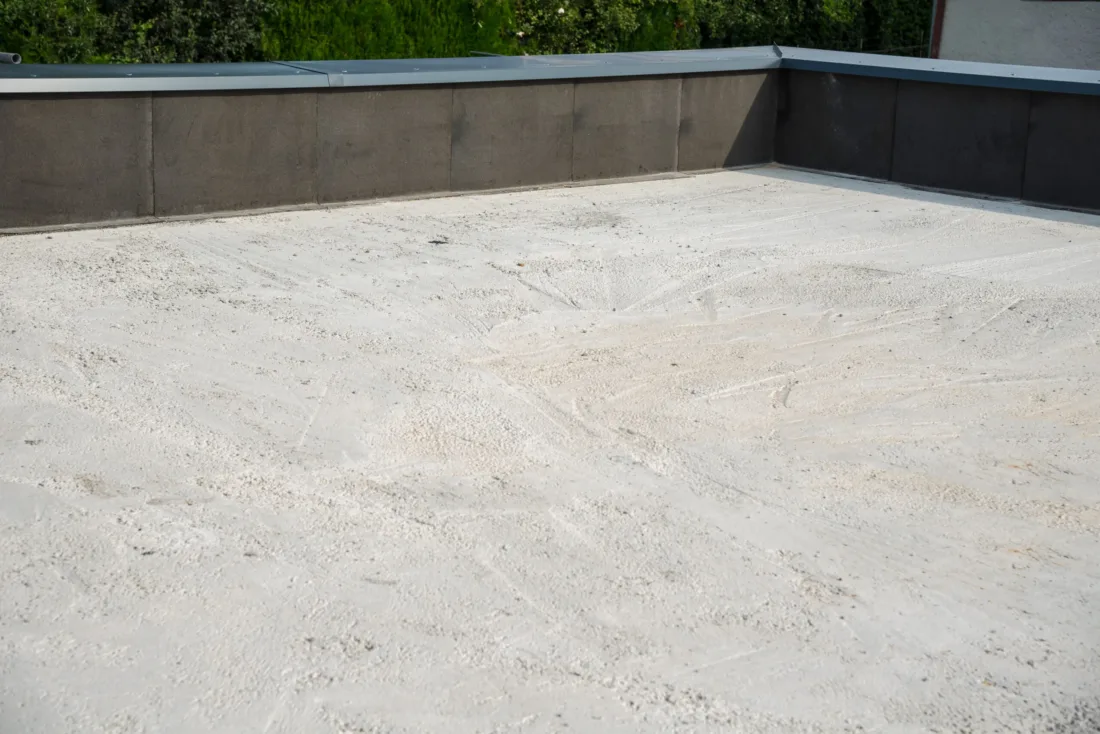
The Protective Coating: Critical to Long-Term SPF Performance
This deserves its own section because more SPF roofs fail from neglected coating maintenance than from any other single cause. The foam itself is durable; the protective coating is the layer that keeps the foam alive.
On a properly installed SPF system with a quality silicone top coat, the coating typically delivers 15 to 20 years of service before needing recoat. Acrylic top coats run 10 to 15 years. When the coating reaches the end of its service life, the proper response is recoating, not replacement of the underlying foam, which is still sound and serviceable.
This recoating model is one of SPF’s biggest long-term advantages. A well-maintained SPF roof can deliver 30, 40, or more years of service through periodic recoating, with the underlying foam protecting the building underneath the entire time. SPF roofs that have been recoated multiple times over decades are reasonably common in commercial roofing, they just require the discipline to maintain the coating.
On the other hand, an SPF roof where the protective coating is allowed to fail, exposing the foam to UV, will degrade rapidly once that exposure starts. Yellowing, surface friability, and eventual structural foam breakdown follow. Maintenance matters.
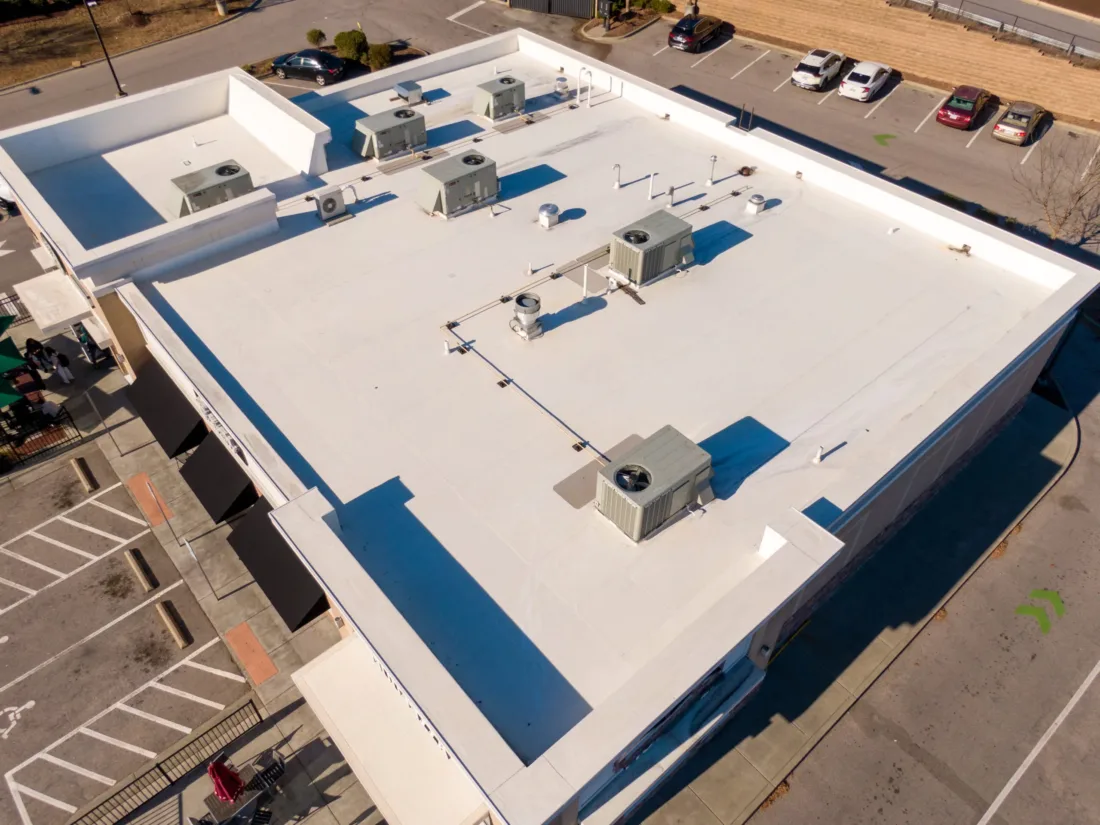
Spray Foam Roofing and Thornton, CO’s Climate
High-altitude UV: well-handled with the right top coat.
Thornton, CO UV intensity is hard on every roof system. With a quality silicone top coat over the foam, SPF systems handle Thornton, CO UV well over their service life. Coating maintenance is what keeps the foam protected from the conditions that would otherwise age it fastest.
Hail exposure: requires specific consideration.
Hail can dent and puncture SPF, particularly the protective top coat layer. Repair is straightforward (spot-foaming and recoating), but post-storm inspection of SPF roofs is particularly important. Reinforced top coats and specialized impact-resistant coatings can improve hail performance.
Temperature swings: well-suited.
SPF has good thermal cycling tolerance and continues to perform well under Thornton, CO’s 50-degree daily temperature swings. The seamless construction means there are no expansion joints to fail.
Application weather windows: a real constraint.
Thornton, CO’s variable weather makes SPF scheduling more difficult than membrane scheduling. We watch forecasts carefully and only spray when the conditions support proper application.
Energy savings: substantial.
Thornton, CO’s hot summers and cold winters both benefit from the high R-value of SPF. Buildings with SPF roofs commonly see meaningful HVAC energy reduction compared to older or less-insulated assemblies.
Frequently Asked Questions: Commercial Spray Foam Roofing in Thornton, CO
-
How long does a spray foam roof last?
With proper coating maintenance, an SPF roof can deliver 30+ years of service through periodic recoating. The foam itself is durable; the protective coating layer is what requires periodic renewal, typically every 15 to 20 years on silicone top coats. Without coating maintenance, the foam degrades rapidly once UV exposure starts. Maintenance is the single biggest variable in SPF service life.
-
How much does spray foam roofing cost in Thornton, CO?
SPF cost depends on foam thickness, coating system, substrate condition, and prep work required. Per square foot, SPF typically costs more than basic single-ply systems but is competitive with high-end membrane assemblies once you factor in the included insulation. On recover projects without tear-off, the total project cost can be significantly lower than a comparable tear-off and replacement with membrane.
-
Can spray foam be applied over my existing commercial roof?
Yes, in most cases. SPF can be applied over most existing commercial substrates, single-ply, built-up, modified bitumen, even metal, provided the existing system is structurally sound, dry, and properly prepared. Saturated insulation must be removed before SPF can go down. We confirm substrate suitability during inspection.
-
How is spray foam roofing repaired after hail damage?
Hail damage to SPF is repaired by spot-foaming impact craters back to a flush surface, then re-coating affected areas with the original protective coating system. Properly executed, hail repair on SPF restores the system to full performance. Repairs require an SPF-experienced contractor, generic flat-roof patching products don’t work properly on foam.
-
Does SPF roofing qualify for ENERGY STAR or cool-roof rebates?
Most SPF systems with white silicone or acrylic top coats carry ENERGY STAR ratings and meet cool-roof code requirements. The combined effect of high R-value insulation plus reflective top coat often makes SPF one of the strongest energy-performance commercial roof systems available.
-
Can spray foam roofing be installed in winter in Thornton, CO?
Application windows are limited in cold weather. SPF requires substrate temperatures generally above 50°F and stable conditions during cure. Most SPF projects in Thornton, CO are scheduled for spring through fall when weather windows are reliable. Winter application is sometimes possible during warm spells but requires careful timing.
-
How do I know if my building is a good candidate for SPF?
Strong candidates include re-roof projects where tear-off would be expensive or disruptive, buildings with complex roof geometry or many penetrations, properties with chronic ponding that would benefit from added slope, and energy-conscious building owners who value the high R-value SPF provides. Less ideal candidates include buildings with saturated insulation, projects where weather windows are unreliable, and situations where cost-per-square-foot is the only decision criterion. Our inspection will tell you straight whether SPF fits your specific building.
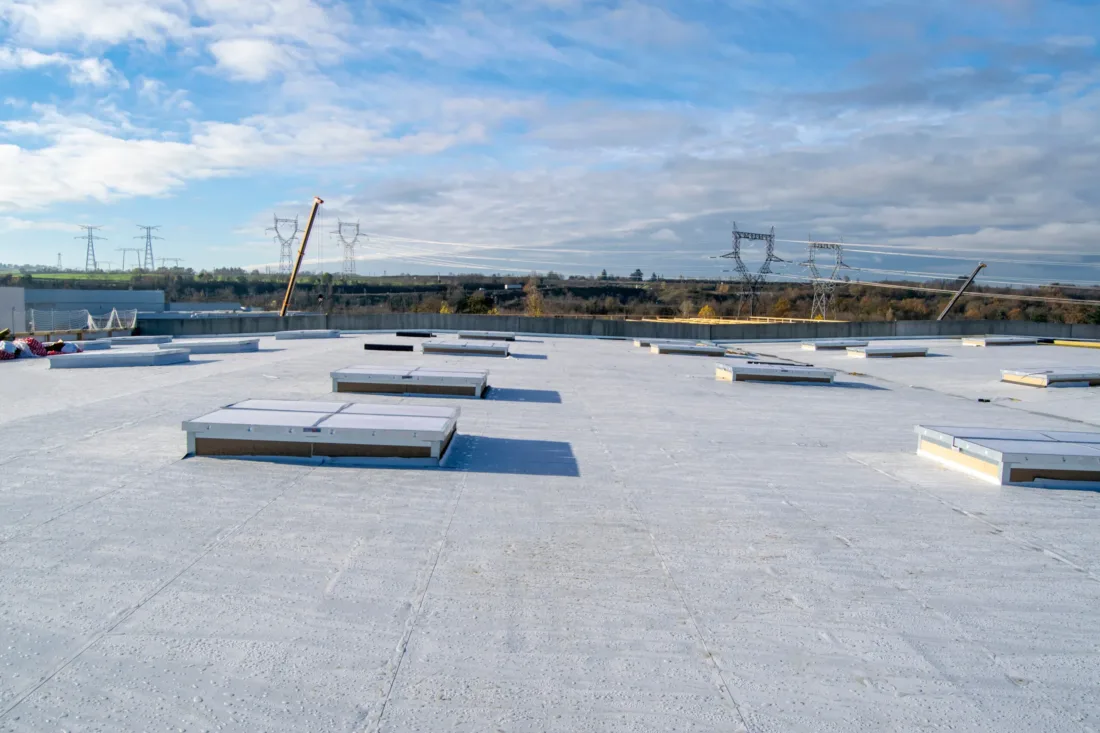
Get a Commercial Spray Foam Roofing Estimate in Thornton, CO
If your commercial flat roof needs replacement or major restoration and the conditions are right for SPF, particularly on retrofit projects, energy-focused upgrades, or buildings with complex roof geometry, spray foam may be the strongest system available for your specific application. Baseline Roofing and Solar specifies and applies commercial SPF roofing systems across Thornton, CO and surrounding Colorado communities, with the manufacturer-certified expertise that proper SPF application requires.
-
More Spray Foam Roofing Locations +
- Spray Foam Roofing in Colorado
- Spray Foam Roofing in Arvada, CO
- Spray Foam Roofing in Aurora, CO
- Spray Foam Roofing in Berthoud, CO
- Spray Foam Roofing in Boulder, CO
- Spray Foam Roofing in Brighton, CO
- Spray Foam Roofing in Broomfield, CO
- Spray Foam Roofing in Castle Pines, CO
- Spray Foam Roofing in Castle Rock, CO
- Spray Foam Roofing in Centennial, CO
- Spray Foam Roofing in Cherry Creek, CO
- Spray Foam Roofing in Cherry Hills Village, CO
- Spray Foam Roofing in Colorado Springs, CO
- Spray Foam Roofing in Commerce City, CO
- Spray Foam Roofing in Englewood, CO
- Spray Foam Roofing in Erie, CO
- Spray Foam Roofing in Firestone, CO
- Spray Foam Roofing in Fort Collins, CO
- Spray Foam Roofing in Frederick, CO
- Spray Foam Roofing in Golden, CO
- Spray Foam Roofing in Greeley, CO
- Spray Foam Roofing in Greenwood Village, CO
- Spray Foam Roofing in Gunbarrel, CO
- Spray Foam Roofing in Highlands Ranch, CO
- Spray Foam Roofing in Lafayette, CO
- Spray Foam Roofing in Lakewood, CO
- Spray Foam Roofing in Littleton, CO
- Spray Foam Roofing in Lone Tree, CO
- Spray Foam Roofing in Longmont, CO
- Spray Foam Roofing in Louisville, CO
- Spray Foam Roofing in Loveland, CO
- Spray Foam Roofing in Mead, CO
- Spray Foam Roofing in Niwot, CO
- Spray Foam Roofing in Northglenn, CO
- Spray Foam Roofing in Parker, CO
- Spray Foam Roofing in Superior, CO
- Spray Foam Roofing in Thornton, CO
- Spray Foam Roofing in Westminster, CO
- Spray Foam Roofing in Wheat Ridge, CO
- Spray Foam Roofing in Windsor, CO