Hail Storm Damage Roof Repair in Northglenn, CO
Not every storm-damaged roof needs full replacement. Storm and hail damage roof repair, targeted repair work after a storm event, is the right answer when damage is localized rather than system-wide, when the underlying roof is structurally sound, and when the repair will hold up long-term without becoming a recurring patch job. For Northglenn, CO homeowners, the post-storm repair-versus-replacement decision is one of the most consequential conversations you can have with a roofing contractor, and it’s one where the contractor’s incentive (replacement is more profitable) sometimes pulls against the homeowner’s actual best interest. We come down on the side of doing what the roof actually needs, not what’s most profitable for us.
Baseline Roofing and Solar performs storm and hail damage roof repair across Northglenn, CO and communities throughout Colorado. We do honest post-storm repair, meaning we’ll tell you straight when the damage is repairable versus when full replacement is genuinely the better call, document the work for insurance purposes, install repairs to manufacturer specification using matching materials, and stand behind the workmanship in writing. Some storm damage is repair-appropriate; some isn’t. Your specific roof and the specific damage drive the right answer.
This page covers what storm-driven repair actually involves, the most common storm repair scenarios on Northglenn, CO residential roofs, the repair-versus-replacement decision framework in a storm context, the insurance side of storm repair work, our repair process, Northglenn, CO-specific storm patterns that drive recurring repair scenarios, and the honest framing that pushes back against the contractor habit of recommending replacement on every storm claim.
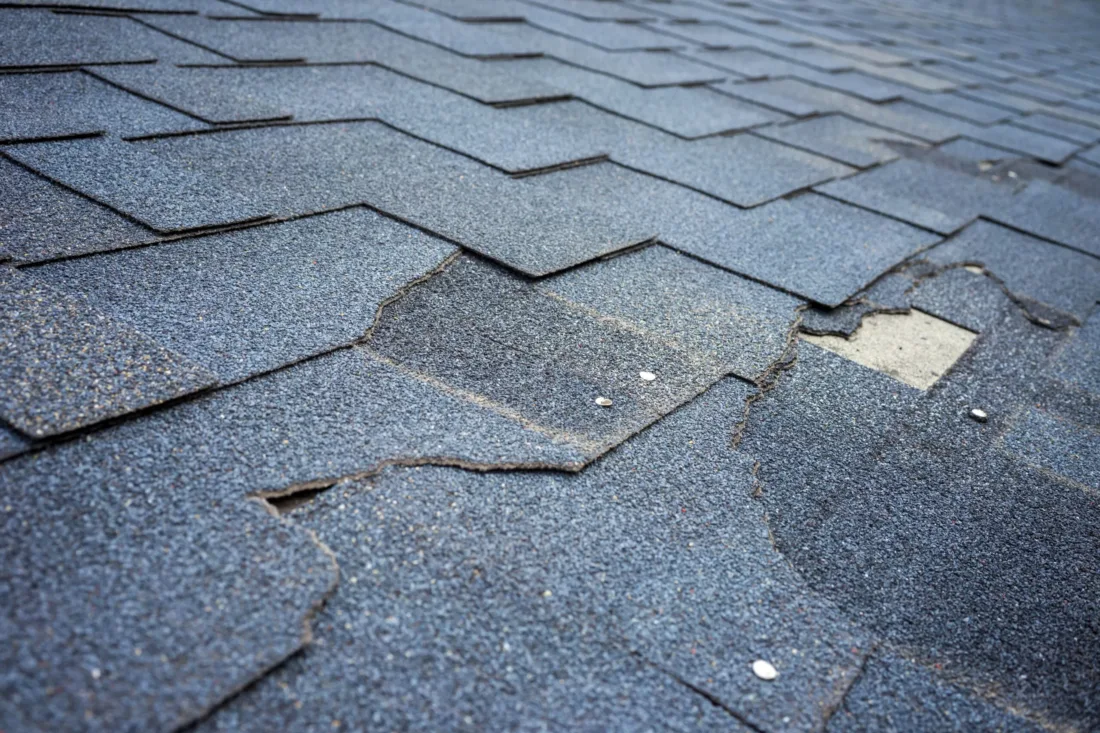
What Storm-Driven Roof Repair Actually Covers
Storm-driven repair is a specific category that sits between general roof repair (typically driven by aging or wear) and full storm-damage replacement (warranted when damage is widespread or severe). Here’s what falls into the storm-repair category.
Localized hail damage, one slope, limited area.
When a storm comes from a specific direction, hail damage often concentrates on the slope facing the storm while other slopes show little or no damage. If the affected area is small enough that targeted repair will hold long-term, repair is the right call rather than replacing the entire roof system.
Wind-damaged or missing shingles.
After Colorado wind events that exceed shingle uplift ratings, you can have specific shingles or tab sections damaged or missing. Replacing the affected shingles with matching product preserves the rest of the roof system.
Tree and branch impact damage.
A tree branch coming down on the roof typically damages a specific area, a few square feet of shingles, sometimes underlying decking. Repair addresses the affected area while leaving the rest of the sound roof in place.
Damaged ridge cap and ridge vents.
Wind events can displace or damage ridge cap shingles and ridge vent components without affecting the field of the roof. Repair replaces the damaged ridge components.
Damaged soft metal accessories.
Vent caps, ridge vent covers, gutter caps, and other soft metal components on the roof are often damaged in hail events even when the shingles themselves come through reasonably well. Replacing these accessories preserves the roof’s function.
Damaged skylight flashings or seals.
Skylights are vulnerable to hail and impact damage, and the flashing systems around them can fail under storm conditions. Targeted repair to the flashing or skylight unit avoids broader scope expansion.
Storm-driven flashing failures.
Major storm events can cause failures in chimney flashings, step flashings at walls, and other flashing systems. Storm-specific repair scope sometimes addresses these as part of the claim work.
Common Storm Repair Scenarios on Northglenn, CO Homes
Specific storm-repair scenarios come up over and over on Northglenn, CO residential roofs because of the patterns of weather events across Colorado.
Single-Slope Hail Damage from Directional Storms
Many Northglenn, CO hailstorms are highly directional, large hail comes in at an angle and concentrates damage on slopes facing the storm. The west-facing slope might have heavy hail damage while the east-facing slope is undamaged. When the carrier and contractor agree that one slope’s damage doesn’t warrant full replacement, single-slope repair can be the appropriate scope.
Wind-Lifted Shingles After High-Wind Events
severe gusts can lift shingles whose self-sealing strips have failed, even on roofs without obvious storm damage otherwise. Resealing or replacing the affected shingles addresses the wind-damage scope without expanding to full replacement.
Garage and Outbuilding Damage Without Main-Roof Damage
Detached garages, sheds, and outbuildings sometimes take hail damage that wouldn’t warrant claiming on the main home, but the structures still need repair. Stand-alone repair work on these structures is straightforward.
Soft Metal Damage on Otherwise Sound Roofs
On some hailstorms, soft metal accessories take more damage than the shingles. Replacing damaged vent caps, ridge vents, and similar accessories preserves the roof’s function without involving the larger shingle system.
Tree Branch Impact in Specific Locations
A tree branch coming down on the roof typically damages a specific area. Repair scope includes shingle replacement, possible decking repair, and any flashing work needed at the impact site.
Storm-Driven Pipe Boot or Skylight Failure
Storm events sometimes accelerate failure of components that were already aging, pipe boots whose rubber was already cracked, skylights whose seals were marginal. The storm wasn’t the only factor, but it was the trigger event. Repair addresses the failed component.
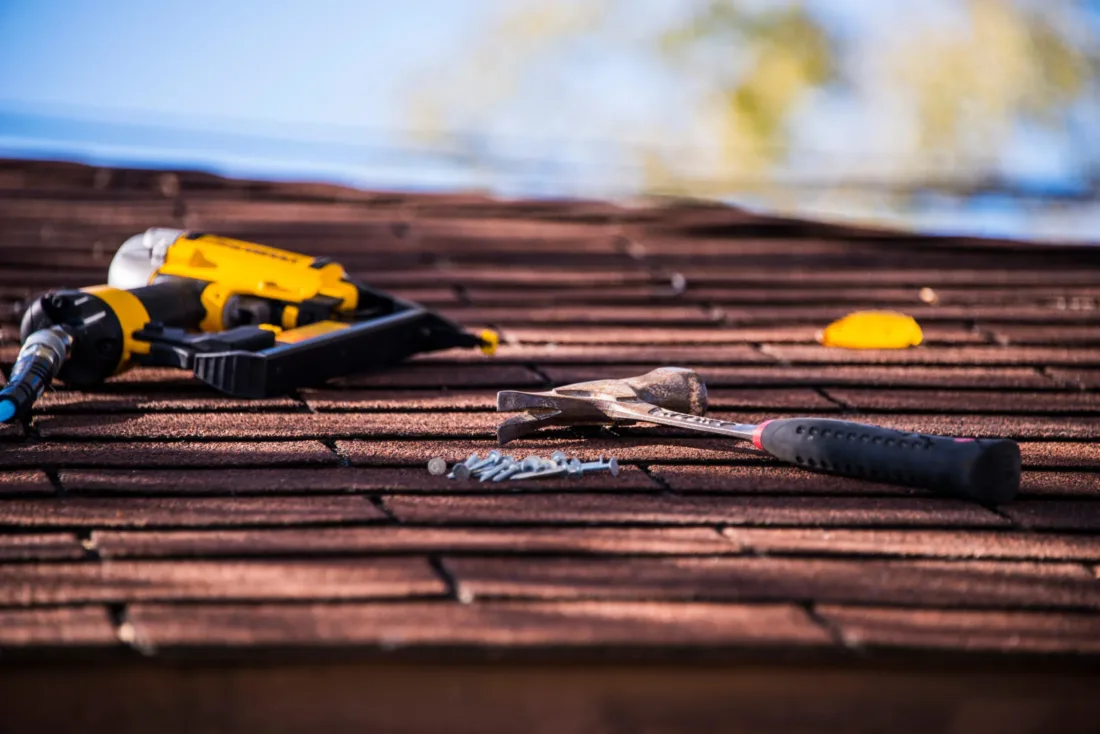
Repair or Replace? The Storm-Specific Decision Framework
When storm damage is on the table, the repair-versus-replacement decision involves factors that don’t apply to general aging or wear. Here’s how we approach the decision.
Repair is usually the right call when:
- Damage is concentrated on one slope or in a defined area, with the rest of the roof in good condition
- The damage scope is small enough that targeted repair will hold long-term
- Matching shingles are available, color and product close enough to integrate cleanly
- The roof has substantial remaining service life beyond the immediate damage
- The insurance carrier’s scope supports repair as the appropriate response
- The underlying decking and structural elements are sound
Replacement is usually the right call when:
- Damage is widespread across multiple slopes or the entire roof
- Hail damage covers a significant portion of the surface, even if individual impacts are small
- Matching shingles are not available, and a partial repair would create a visibly mismatched roof
- The roof was already approaching the end of its service life and storm damage accelerates the decision
- The decking has rot, water damage, or significant compromise from the storm or pre-existing conditions
- The insurance carrier’s scope and the actual damage assessment support full replacement
- Multiple repair attempts have already been made on this roof
Our inspection lays out the options honestly. If repair is genuinely the right call. We’ll do it, and we’ll resist the contractor habit of pushing replacement on every storm claim regardless of actual damage scope.
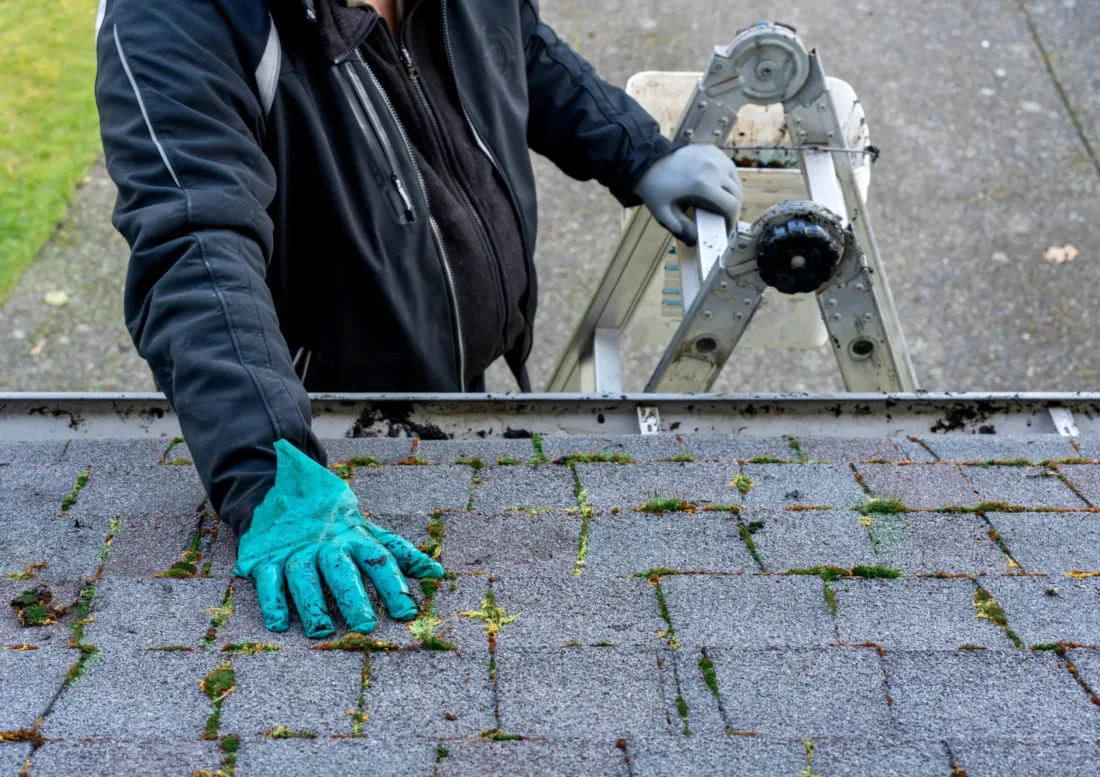
The Industry’s Replacement Bias: and How We Handle It Differently
This is worth a section of its own because it’s where the residential roofing industry has a credibility problem and where Baseline operates differently.
Roof replacement is much more profitable than roof repair. After a major Northglenn, CO storm event, hundreds or thousands of homeowners have insurance claims open simultaneously, and many contractors push every claim toward replacement, even when the actual damage scope would be appropriately addressed by a smaller repair. The result: oversized insurance claims that drive everyone’s premiums up, perfectly serviceable roofs being torn off, and homeowners who think they’re getting a free upgrade but are actually contributing to broader market dysfunction.
We don’t operate that way. Our approach to storm damage:
- Damage assessment determines the scope, not contractor preference. We document what we actually find. If the damage scope supports replacement, we recommend replacement. If it supports repair, we recommend repair.
- We work with adjusters honestly. When the carrier’s scope and our scope differ, we discuss it. We don’t inflate findings; we don’t ignore legitimate damage; we don’t push for outcomes the actual damage doesn’t support.
- We’ll tell you the trade-offs. Sometimes the choice between repair and replacement is genuinely close, both are defensible. In those cases. We’ll explain the trade-offs and let you make an informed decision.
- Repair work is real work, not a half-effort. When repair is the right answer, we install it to manufacturer specification with matching materials. A repair that holds for the rest of the roof’s service life is what we deliver, not a quick patch that fails in two seasons.
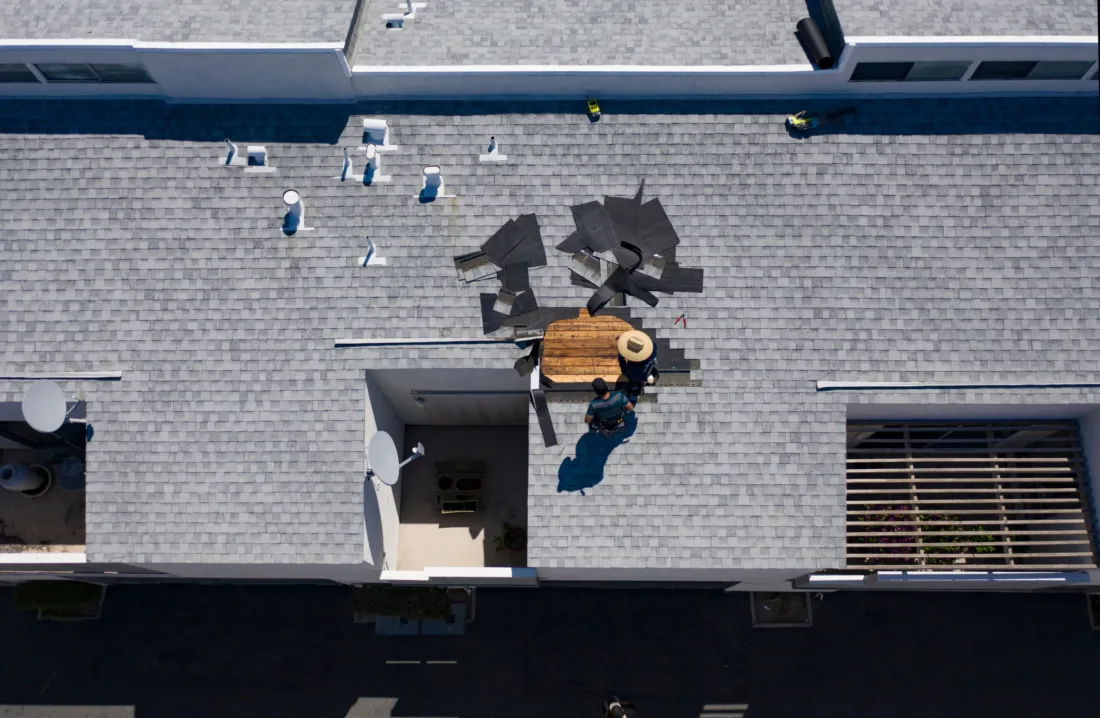
Storm Repair and Insurance
Storm-driven repair work is typically funded by homeowner insurance after the storm event, but the dynamics are different from a full replacement claim.
Smaller claim, similar process.
Storm repair claims follow the same general process as replacement claims, adjuster inspection, scope agreement, ACV/depreciation, work completion, final settlement, just at a smaller scale.
Documentation still matters.
Even on smaller-scope repair claims, proper damage documentation supports the claim and helps the adjuster understand what should be covered.
Repair scope vs. replacement scope.
Some carriers prefer repair scope when the damage supports it. Some adjusters initially write replacement scope when repair would be appropriate. The honest scope is the actual scope, we write what the roof needs, neither over nor under.
Matching considerations.
Most Colorado homeowner policies have provisions about “matching”, when the original shingle product is discontinued or unavailable, the carrier may approve broader scope to address the matching issue. Specific policy language varies. If matching is a factor on your repair. We’ll discuss it during the inspection.
Deductible considerations.
Smaller repair claims sometimes don’t justify the deductible, particularly on policies with high deductibles. If the damage scope is small, the math may favor self-paying the repair rather than filing a claim that won’t pay much beyond the deductible. We’ll discuss this with you when relevant.
What we don’t do.
We don’t waive deductibles (illegal in Colorado). We don’t negotiate claims (not legal for contractors in Colorado). We don’t promise specific carrier outcomes. What we do is provide accurate damage documentation and proper repair scope, and let your insurance carrier and broker handle the claim itself.
Our Storm Repair Process
Every storm-driven repair project follows a clear process designed to fix the damage properly the first time and document the work for insurance purposes.
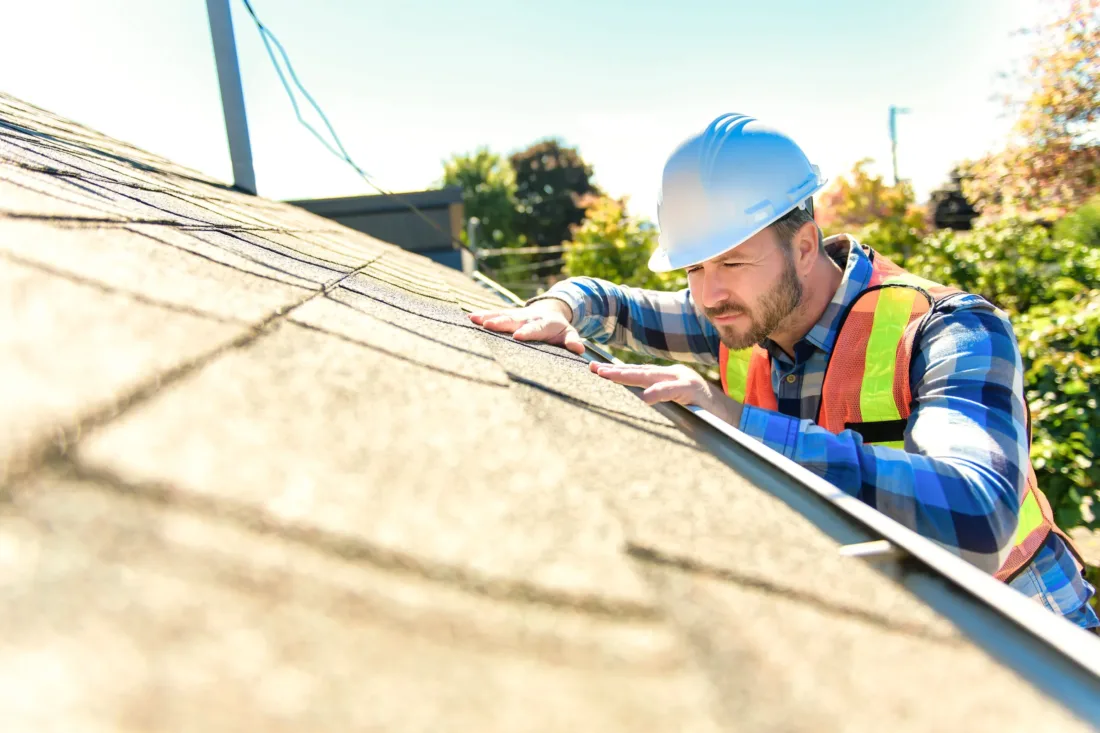
- Initial inspection. We inspect the roof in detail, identify storm-related damage, and assess whether the damage scope supports repair, replacement, or marginal-claim status.
- Honest assessment. We sit down with you and explain what we found and what the options are. If repair is the right answer. We’ll explain why. If replacement is the right call. We’ll explain why.
- Insurance coordination. For storm-driven repair work, we coordinate with your insurance adjuster, document damage in claim-ready format, and write the appropriate scope.
- Material matching. For repair work, we source matching shingles whenever possible, color, profile, and product where it can be matched. On older roofs where the original product has been discontinued, we discuss the matching considerations and how the carrier handles them.
- Repair execution. The repair is installed to manufacturer specification using matching materials. Damaged shingles are replaced, flashings are rebuilt where needed, and detail work is integrated cleanly with the surrounding roof.
- Cleanup and walkthrough. We perform a thorough cleanup including a magnetic sweep for stray nails, walk through the completed repair with you, document the work with photos, and provide written documentation for the insurance claim.
- Follow-up. We recommend monitoring the repair through the next significant rain event to confirm the work held. We’ll come back if anything looks different than expected.
Northglenn, CO Storm Patterns and Recurring Repair Scenarios
Storm-driven repair scenarios in Northglenn, CO follow predictable patterns based on Northglenn, CO’s specific weather profile.
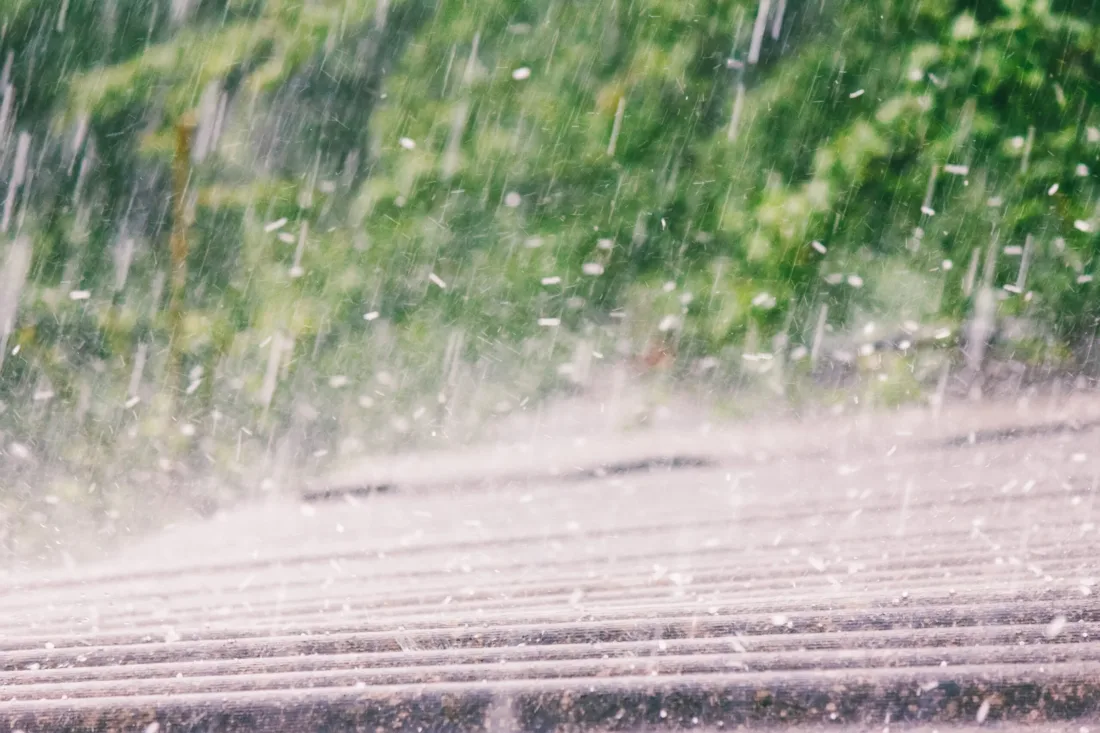
Spring and summer hail season (April through September).
Peak hail activity across Colorado. Major hail events generate storm-repair demand across the area for weeks afterward. We schedule based on damage severity and customer urgency.
High-wind events (year-round, stronger in winter and spring).
high winds regularly exceed 60 mph and occasionally top 80 mph. Wind-damage repair scenarios are common after these events, particularly on roofs with aged shingles where self-sealing strips have failed.
Late-summer microbursts and severe thunderstorms.
Localized severe storm cells in late summer can produce intense wind, hail, and tree-fall damage in concentrated areas. Repair scope on these often involves a mix of damage types.
Heavy spring snow on still-leafed branches.
Late spring snowstorms can drop heavy wet snow on branches that haven’t fully shed leaves yet. Tree limbs come down on roofs more often than at any other time of year. Tree-impact repair is common in May and early June.
Winter ice damming damage.
Severe winter snow events on homes with inadequate insulation or ventilation can produce ice damming damage that shows up as winter-storm repair scenarios. Repair addresses the immediate damage; longer-term solutions often involve attic ventilation work.
Frequently Asked Questions: Storm Repair in Northglenn, CO
-
How much does storm damage roof repair cost?
Costs vary widely with damage scope. Targeted repair on a single slope, replacement of damaged ridge cap, or replacement of damaged soft metal accessories can run from a few hundred to a few thousand dollars. Most storm-driven repair is funded by homeowner insurance subject to deductible and policy terms. We provide written estimates after inspecting the actual damage.
-
Should I repair or replace my hail-damaged roof?
It depends on the damage scope. Localized damage on a structurally sound roof is typically repairable. Widespread damage across multiple slopes typically warrants replacement. Damage that affects more than a small portion of the roof, where matching is difficult, or where the roof was already aging, often warrants replacement. Our inspection lays out the trade-offs honestly.
-
Will my insurance pay for repair instead of replacement?
Yes, when the damage scope supports it. Most homeowner policies cover repair on a smaller-scope claim just as they cover replacement on a larger one, subject to deductible and policy terms. Insurance carriers often prefer repair when it’s appropriate because it’s the smaller claim. Some adjusters initially write replacement scope when repair would be appropriate; we work with them to align scope to actual damage.
-
How long does storm damage repair take?
Most storm-driven repairs take a half day to a full day on site, depending on damage scope. Larger repair scopes (substantial single-slope work, multiple flashing rebuilds, decking repair) can take longer. We provide a timeline as part of every estimate.
-
Can you match the shingles on my older roof?
In most cases, yes, we source matching shingles by manufacturer, product line, color, and profile. On older roofs where the original product has been discontinued, exact matching may not be possible. In those cases, we discuss the options: closest available match, alternative product that integrates acceptably, or expanded scope to address the matching issue (which sometimes converts to a replacement claim).
-
Is targeted repair really safe long-term, or will it just fail again?
A properly executed targeted repair using matching materials and manufacturer-spec installation will hold for the rest of the roof’s service life. Repairs that fail prematurely are typically the result of cut corners, wrong materials, skipped flashing rebuild, sealant where actual repair is needed. Done right, repair is a real long-term solution, not a delay tactic.
-
What if my contractor is pushing replacement when I think repair would be enough?
Get a second opinion. Some contractors push replacement on every storm claim regardless of actual damage scope. If you think the damage might be repair-appropriate, an independent inspection from a different qualified local contractor can give you a different perspective. We provide second-opinion inspections on storm damage when homeowners are concerned about scope.
Get a Free Storm Damage Repair Estimate in Northglenn, CO
Whether you have localized hail damage on a single slope, wind-damaged shingles after a major wind event, tree-impact damage from a recent storm, or any other storm-driven repair issue, Baseline Roofing and Solar is ready to help. We do honest storm repair, meaning we’ll tell you straight when the damage is repairable versus when replacement is genuinely the better call, and we’ll install repair work to manufacturer specification using matching materials.
-
More Residential Storm & Hail Damage Roof Repair Locations +
- Residential Storm & Hail Damage Roof Repair in Colorado
- Residential Storm & Hail Damage Roof Repair in Arvada, CO
- Residential Storm & Hail Damage Roof Repair in Aurora, CO
- Residential Storm & Hail Damage Roof Repair in Berthoud, CO
- Residential Storm & Hail Damage Roof Repair in Boulder, CO
- Residential Storm & Hail Damage Roof Repair in Brighton, CO
- Residential Storm & Hail Damage Roof Repair in Broomfield, CO
- Residential Storm & Hail Damage Roof Repair in Castle Pines, CO
- Residential Storm & Hail Damage Roof Repair in Castle Rock, CO
- Residential Storm & Hail Damage Roof Repair in Centennial, CO
- Residential Storm & Hail Damage Roof Repair in Cherry Creek, CO
- Residential Storm & Hail Damage Roof Repair in Cherry Hills Village, CO
- Residential Storm & Hail Damage Roof Repair in Colorado Springs, CO
- Residential Storm & Hail Damage Roof Repair in Commerce City, CO
- Residential Storm & Hail Damage Roof Repair in Englewood, CO
- Residential Storm & Hail Damage Roof Repair in Erie, CO
- Residential Storm & Hail Damage Roof Repair in Firestone, CO
- Residential Storm & Hail Damage Roof Repair in Fort Collins, CO
- Residential Storm & Hail Damage Roof Repair in Frederick, CO
- Residential Storm & Hail Damage Roof Repair in Golden, CO
- Residential Storm & Hail Damage Roof Repair in Greeley, CO
- Residential Storm & Hail Damage Roof Repair in Greenwood Village, CO
- Residential Storm & Hail Damage Roof Repair in Gunbarrel, CO
- Residential Storm & Hail Damage Roof Repair in Highlands Ranch, CO
- Residential Storm & Hail Damage Roof Repair in Lafayette, CO
- Residential Storm & Hail Damage Roof Repair in Lakewood, CO
- Residential Storm & Hail Damage Roof Repair in Littleton, CO
- Residential Storm & Hail Damage Roof Repair in Lone Tree, CO
- Residential Storm & Hail Damage Roof Repair in Longmont, CO
- Residential Storm & Hail Damage Roof Repair in Louisville, CO
- Residential Storm & Hail Damage Roof Repair in Loveland, CO
- Residential Storm & Hail Damage Roof Repair in Mead, CO
- Residential Storm & Hail Damage Roof Repair in Niwot, CO
- Residential Storm & Hail Damage Roof Repair in Northglenn, CO
- Residential Storm & Hail Damage Roof Repair in Parker, CO
- Residential Storm & Hail Damage Roof Repair in Superior, CO
- Residential Storm & Hail Damage Roof Repair in Thornton, CO
- Residential Storm & Hail Damage Roof Repair in Westminster, CO
- Residential Storm & Hail Damage Roof Repair in Wheat Ridge, CO
- Residential Storm & Hail Damage Roof Repair in Windsor, CO