Hail & Storm Damage Roof Inspection in Longmont, CO
Longmont, CO and the surrounding Colorado region sit at the heart of Colorado’s hail belt, one of the most hail-prone regions in the United States. Damaging hail events occur somewhere in Longmont, CO and the surrounding area most years, often multiple times per season, and the resulting roof damage drives the majority of residential roof replacement work in this market. After a hailstorm or major wind event, the most important thing a homeowner can do is get the roof inspected by a qualified, local, manufacturer-certified roofing contractor, to determine whether actual claim-worthy damage occurred, document it properly if so, and start the claim within the policy’s notification window. The catch is that not every storm produces claim-worthy damage on every roof. Honest assessment matters more here than anywhere else.
Baseline Roofing and Solar performs storm and hail damage roof inspections across Longmont, CO and communities throughout Colorado. We do honest post-storm inspections, meaning we tell you straight whether your roof actually has claim-worthy damage. Sometimes the answer is yes, with documentation we’ll provide for your insurance claim. Sometimes the answer is no, the roof came through fine, and we’ll tell you that too, even though it doesn’t make us money to give that answer. The contractor industry is full of operators who find damage on every roof they inspect after a storm, regardless of actual condition. We’re not one of them.
This page covers what a storm damage inspection actually involves, the specific indicators of hail damage and wind damage we look for, the truth about “my roof looks fine” assessments from the ground, the time-sensitive nature of post-storm claims, what insurance-grade documentation looks like, and the honest reality that some storms damage roofs and some don’t.
What a Storm Damage Roof Inspection Actually Does
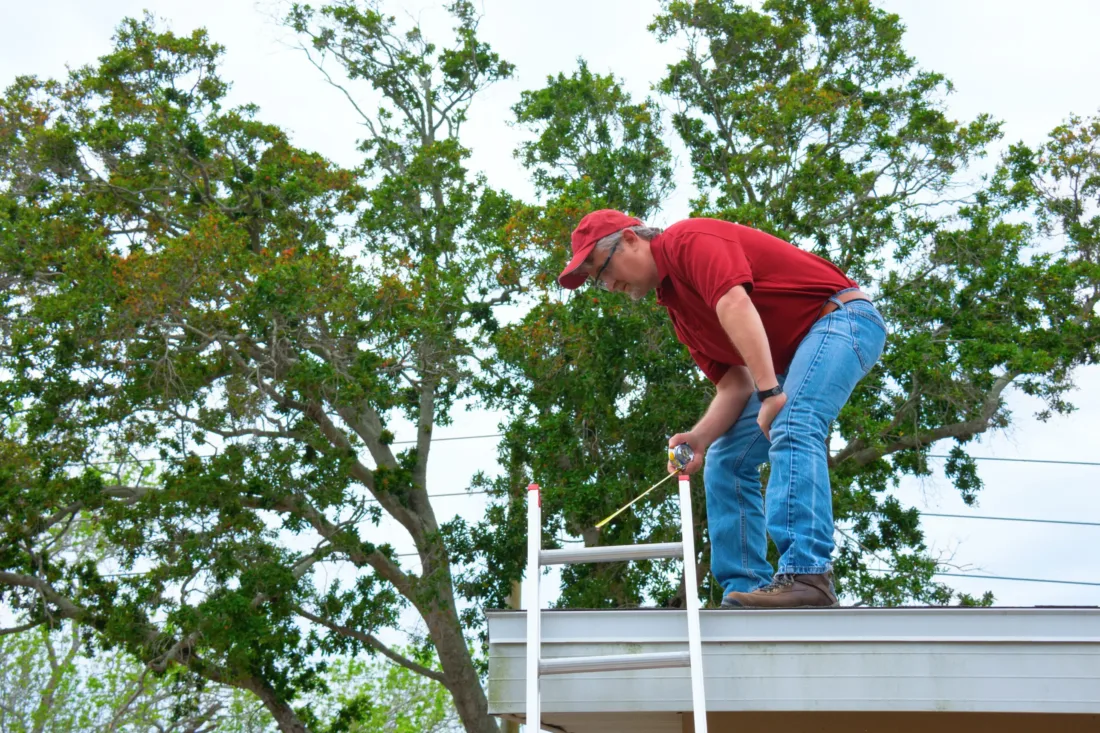
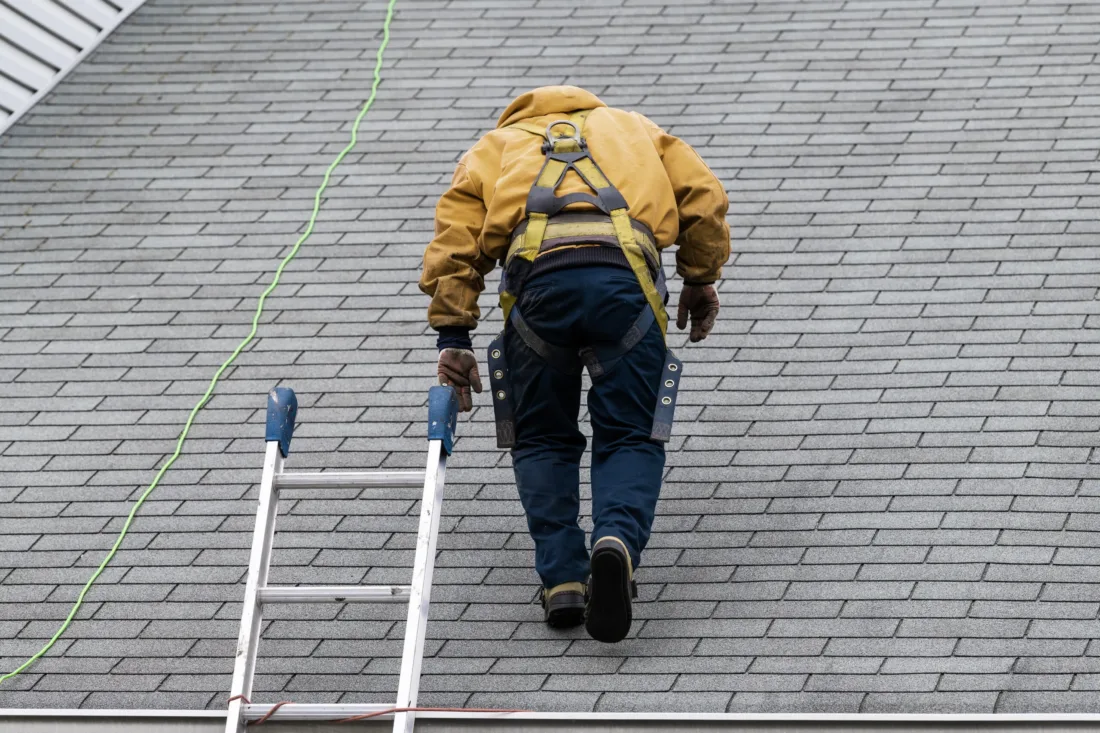
A post-storm roof inspection is fundamentally different from a routine maintenance inspection. The purpose is specifically to assess whether a recent storm event caused damage that warrants an insurance claim, and if so, to document that damage in the format insurance carriers expect.
A proper storm damage inspection includes:
- Surface inspection for hail damage indicators. Direct examination of shingle surfaces, granule patterns, soft metal accessories, and other surfaces that show hail impact reliably.
- Surface inspection for wind damage indicators. Identifying lifted shingles, missing tabs, creased shingles, displaced ridge cap, and other signs that wind compromised the system.
- Storm event verification. Cross-referencing the inspection findings against documented weather data for your address, NOAA reports, hail maps, storm timelines, to support the link between damage and the specific event.
- Photo and measurement documentation. Damage documented with photos, measurements, and notes in the format insurance carriers and adjusters expect to see.
- Manufacturer-spec scope of work. If damage is sufficient to warrant replacement or major repair, we write the scope of work that meets manufacturer specifications and code requirements, what should actually be installed, not just a generic placeholder estimate.
- Honest assessment of claim viability. We tell you straight whether the damage is claim-worthy, marginal, or insufficient to support a claim, based on what we actually find, not on what’s profitable to recommend.
Hail Damage Indicators: What We Actually Look For
Hail damage on residential asphalt shingles shows up in specific, identifiable ways. Not every dimple or mark is hail damage, and not every hailstorm produces claim-worthy damage on every roof it hits. Knowing what real damage looks like helps you understand what the inspector is actually checking.
Asphalt Shingle Hail Damage
Granule loss in concentrated patterns.
Hail strikes knock granules off the asphalt mat in localized circular patterns. These patterns differ visually from age-related granule loss (which is broader and gradual). Concentrated bare spots, the size of a quarter, a golf ball, or larger, are classic hail damage indicators.
Mat bruising.
When hail strikes the shingle hard enough to compromise the underlying asphalt mat, you can sometimes feel the bruising as a soft spot when you press on the shingle. The mat fibers fracture under the granule layer, even when the surface looks superficially intact. This is often the most consequential damage type, the shingle has been weakened and will fail prematurely.
Fractures through the mat.
Severe hail can fracture the asphalt mat outright. From above, you see a clear impact site with both granule loss and a visible split or hole in the underlying mat. This is unambiguous damage.
Discoloration patterns.
Hail strikes leave subtle discoloration patterns even when granule loss isn’t dramatic. On older shingles where granules are already partially worn, the impact patterns can be more visible than the granule loss itself.
Soft Metal Damage Indicators
Soft metal accessories on the roof and around the home show hail impacts very reliably. We always check these because they confirm hail size and intensity even when the shingle damage is ambiguous.
- Vent caps and ridge vent covers, visible dings and dimples
- Flashing, chimney flashing, step flashing, drip edge
- Gutters and downspouts, particularly the upturned lip of gutters
- Window screens and frames
- Air conditioning condenser fins, often dramatically damaged in hail events
- Fence posts, mailboxes, garage door panels (if exposed to the same storm)
Other Hail Damage Indicators
- Damage to skylights, visible dings, cracks, or seal damage
- Granule accumulation in gutters and downspouts (concentrated, not gradual)
- Damage to wood shake or composite shingles, different pattern but same general indicators
- Tile cracking on ceramic, clay, or concrete tile roofs
Wind Damage Indicators
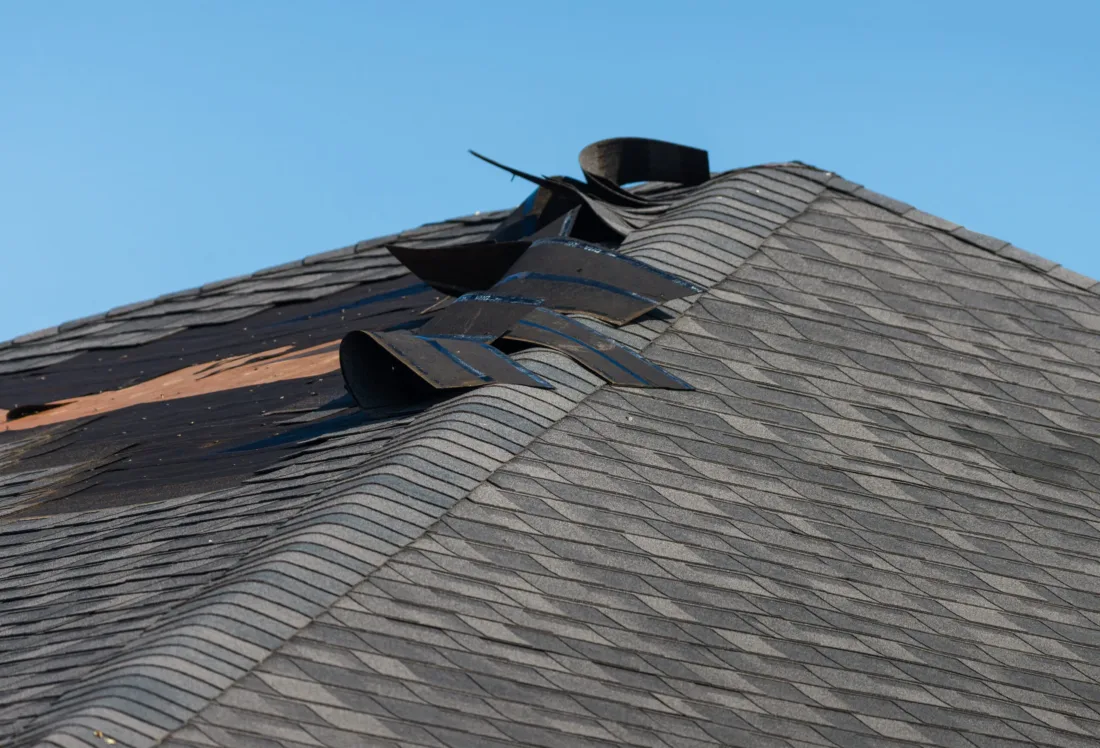
Wind damage and hail damage can occur in the same storm, but they show up differently. Severe Colorado windstorms and thunderstorm gusts regularly exceed 60 mph and occasionally top 80 mph, producing wind-uplift damage on residential roofs even without hail.
Lifted shingles.
Wind that exceeds the shingle’s wind-uplift rating lifts the shingle edges or whole tabs, breaking the seal between courses. The shingle may lay back down after the wind stops, but the seal is compromised, and the next storm or wind event will find that vulnerability.
Creased shingles.
When wind lifts a shingle and bends it before laying it back down, the bending creates a visible crease across the shingle. Creased shingles have lost most of their wind-uplift integrity and the underlying asphalt mat may be fractured at the crease.
Missing shingles or tabs.
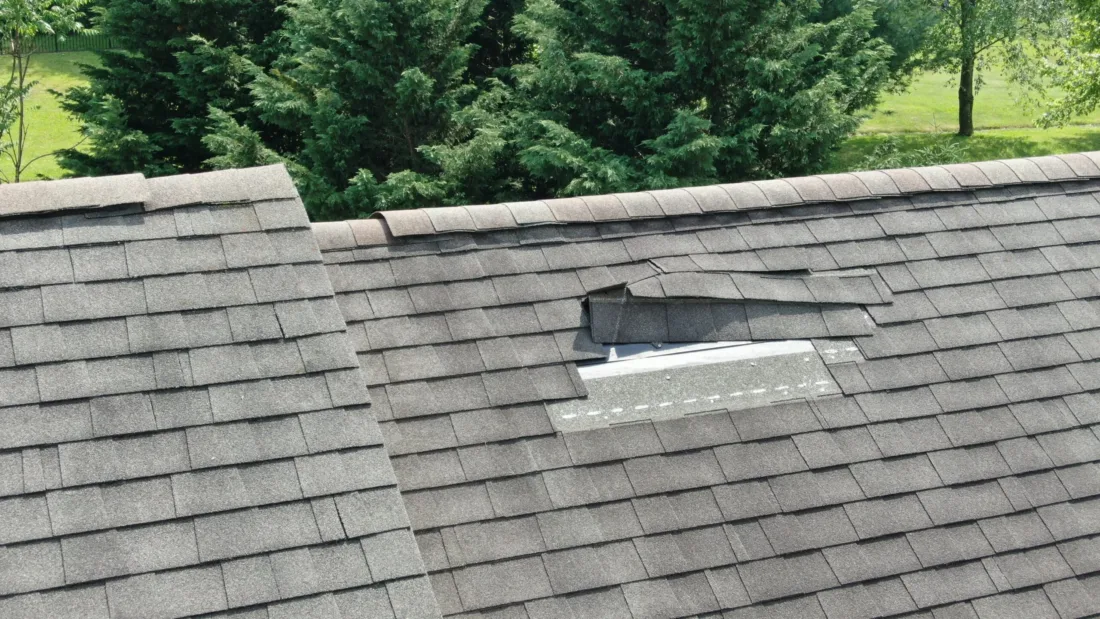
In the most obvious case, wind takes shingles or shingle tabs off the roof entirely. These are visible from the ground if you know where to look, bare patches showing the underlying underlayment or decking.
Displaced ridge cap and ridge vents.
Ridge cap shingles and ridge vent covers are particularly vulnerable to wind, especially on the windward side. Displaced ridge components leave the roof’s most exposed area vulnerable.
Damaged flashings and accessories.
Wind can lift step flashing, displace pipe boots, and damage other accessory components, particularly when debris is also being driven by the wind.
Tree and debris impact.
Wind events drive tree branches, lawn debris, and other materials across roofs. Resulting impact damage shows up as punctures, displaced shingles, or compromised flashings.
“My Roof Looks Fine From the Ground”: Why That’s Often Wrong
Hail damage indicators, granule loss patterns, mat bruising, small fractures, soft metal damage, are reliably visible from a few feet away when you’re standing on the roof. They are not reliably visible from a hundred feet away when you’re standing in the front yard. Homeowners who assume their roof is undamaged based on what they can see from the ground often miss claim-worthy damage that becomes a problem later.
The reverse is also true. Some storms that look dramatic from the ground, heavy rain, loud hail, intense wind, don’t actually produce roof damage. Severity at the ground level isn’t a reliable indicator of damage at the roof level. Smaller hail (penny-sized or smaller) generally doesn’t produce claim-worthy damage. Larger hail (1.5 inches or more) generally does. But conditions vary, roof condition matters, and the only reliable way to know is to have someone qualified actually look.
This is why local, manufacturer-certified contractors do post-storm inspections after major events. We’re checking conditions you can’t see from the ground.
Time-Sensitive: Why Storm Inspections Can’t Wait
Post-storm roof inspections have time pressure that routine inspections don’t. Several factors make it important to schedule the inspection promptly after a storm event.
Insurance policy notification deadlines.
Most homeowner insurance policies have specific timelines for claim notification after a covered event. Letting the timeline slip can result in a denied claim regardless of damage severity. Read your policy and know the timeline. Schedule the inspection early in the process.
Damage aging.
Hail damage indicators are clearest immediately after the event and become harder to attribute to a specific storm as more time passes. Carriers sometimes question whether damage is from “the recent storm” or from older weather events. Earlier inspection and documentation strengthens the connection between damage and event.
Weather window for inspection.
Roof inspection requires the roof to be dry and reasonably clear. After a major storm, weather windows may be limited. Snow on the roof restricts surface inspection. We schedule based on actual weather windows, but waiting too long after a storm can mean inspection conditions get worse.
Secondary damage from continued exposure.
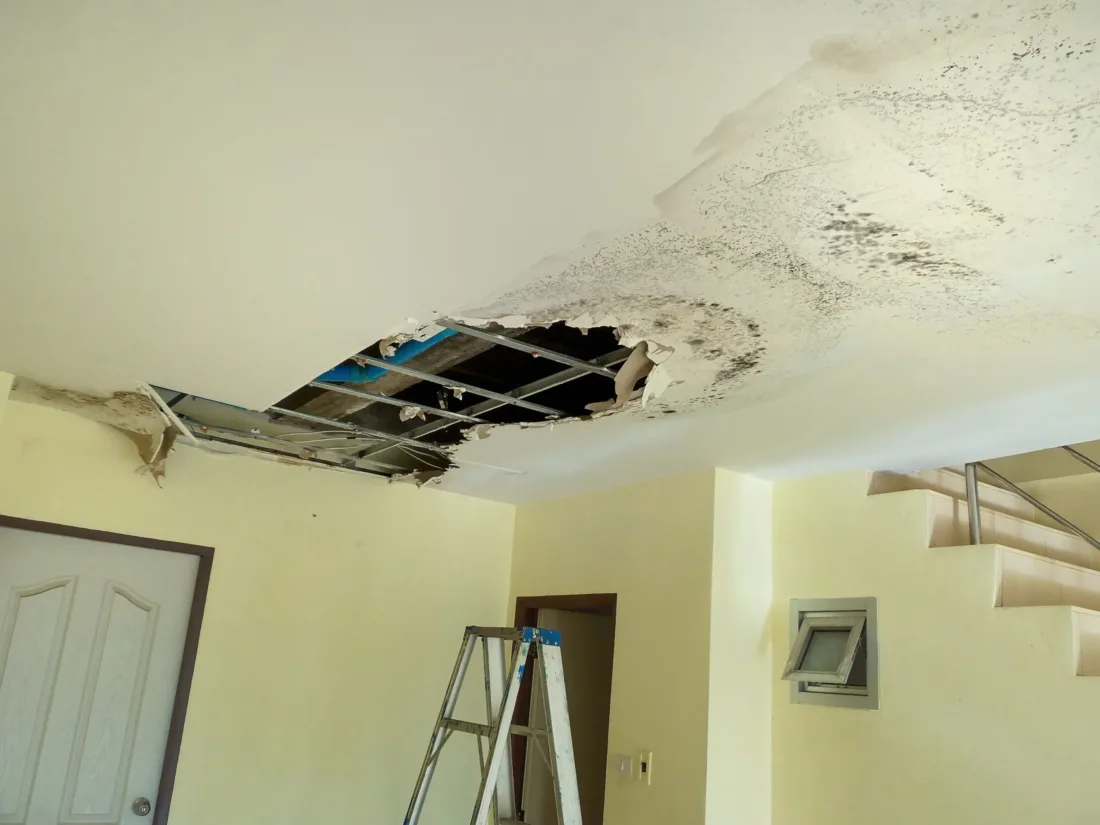
Damaged roofs continue exposing the home to weather. Compromised shingles let water enter slowly even when there’s no obvious leak yet. Earlier identification means earlier repair or replacement, and less compounding damage.
Storm-chaser pressure.
After major storm events, out-of-state storm chasers descend on the affected area within hours and pressure homeowners to sign immediately. Earlier inspection by a legitimate local contractor establishes documentation and a relationship before the storm-chaser pressure starts.
The Honest Assessment: Some Storms Damage Roofs, Some Don’t
This deserves a section of its own because it’s where the residential roofing industry has a serious credibility problem and where Baseline operates differently.
After every major storm in Longmont, CO, contractors descend on affected neighborhoods and find damage on every roof they inspect, regardless of actual condition. The motivation is obvious: damage means an insurance claim, which means a roof replacement, which means revenue. The result is hundreds or thousands of homeowners filing claims for damage that may or may not actually exist, insurance carriers becoming increasingly skeptical of all claims (legitimate and otherwise), and a metro-wide loss of trust in the post-storm inspection process.
We don’t operate that way. Our inspection findings reflect what we actually find on your roof, not what’s profitable to recommend.
If your roof has claim-worthy damage:
We document it thoroughly with photos, measurements, and notes in the format adjusters expect. We write a manufacturer-spec replacement scope. We coordinate with your adjuster on the inspection. We support your claim within Colorado contractor law.
If your roof has marginal damage:
We tell you it’s marginal, document what we found, and let you make an informed decision about whether to file. Some marginal-damage situations warrant a claim; some don’t. We’ll discuss the trade-offs honestly.
If your roof has no claim-worthy damage:
We tell you that. The roof came through fine. No claim is warranted. We don’t manufacture damage findings to generate a claim. The honest answer is the answer.
This is the harder business model. It’s also the only one that works long-term for any contractor with integrity.
Insurance-Grade Damage Documentation
When damage is identified, the documentation we provide has to meet the specific format that insurance adjusters and carriers expect. Generic notes and casual photos don’t support a claim, proper documentation does.
What our damage documentation includes:
- Identification information, property address, inspection date, weather conditions, inspector
- Storm event reference, date and severity of the storm event being claimed
- Slope-by-slope photos showing damage on each roof slope
- Close-up photos of representative damage with chalk circles and measurement references
- Soft metal damage photos confirming hail size and intensity
- Wind damage indicators where applicable
- Notes on damage patterns, concentrated vs. scattered, slope-specific, etc.
- Manufacturer-spec replacement scope of work where applicable
- Notes on related conditions, code-required upgrades, ventilation issues, etc.
Why the format matters.
Insurance adjusters review hundreds of claims and recognize quality documentation versus throwaway documentation. Detailed, properly formatted documentation supports legitimate claims; loose documentation invites scrutiny. Strong documentation is one of the most concrete things a contractor can contribute to a successful claim, within Colorado’s contractor-claim-handling limits.
Frequently Asked Questions: Storm & Hail Damage Roof Inspection
-
How can I tell if my roof has hail damage?
From the ground, you usually can’t, most claim-worthy hail damage isn’t visible from a distance. Visible indicators from below include damaged soft metal accessories (vent caps, gutters, AC condenser fins), granule accumulation in gutters, and obvious shingle damage. The reliable answer requires a qualified inspector walking the roof and looking at surfaces up close.
-
How much does a hail damage inspection cost in Longmont, CO?
Initial damage assessments are typically free for residential homeowners in Longmont, CO and the surrounding area. If significant damage is identified and full documentation is needed for an insurance claim, the documentation work is included in the project if you proceed with us, or available as a paid stand-alone inspection if you choose another path.
-
How long after a storm should I get my roof inspected?
As soon as practical. Insurance policies have specific notification timelines, damage attribution becomes harder as time passes, and weather windows for inspection may be limited. After a major storm event, scheduling the inspection within days rather than weeks is the right approach.
-
My neighbor’s roof has obvious hail damage: does that mean mine does too?
It’s a strong indicator that hail occurred at your address, but doesn’t guarantee similar damage. Hail size, fall angle, and roof condition all affect damage outcome. Adjacent properties often have different damage outcomes from the same storm. Inspection of your specific roof is the only reliable answer.
-
Will my insurance cover the inspection?
Initial damage assessments are typically free, so this isn’t usually an out-of-pocket cost. If a paid third-party inspection is needed (warranty disputes, denied-claim appeals, complex situations), some homeowner policies cover reasonable inspection costs as part of the claim, check your specific policy.
-
What if you find damage but I don’t want to file a claim?
That’s your decision. We document what we find and provide the report; whether to file a claim is up to you and your insurance broker. There are legitimate reasons not to file (small damage with high deductible, concern about future premiums, etc.). We don’t pressure homeowners to file claims.
-
Should I let storm chasers do free inspections after a Longmont, CO storm?
Be very cautious. Out-of-state storm chasers descend on Longmont, CO after major storms with aggressive door-to-door free inspection offers. Their motivation is signing replacement work, and free inspections from storm chasers tend to find damage requiring replacement on every roof they look at. Local, licensed, manufacturer-certified contractors are the legitimate path to honest assessment.
Get a Free Storm Damage Roof Inspection in Longmont, CO
If your home was in the path of a recent hail or wind event in Longmont, CO and the surrounding area and you want an honest assessment of whether your roof was actually damaged, Baseline Roofing and Solar is ready to help. We’re locally based, manufacturer-certified. And we tell you straight what we find, even when the answer is that your roof came through fine and no claim is warranted.
-
More Residential Storm & Hail Damage Roof Inspection Locations +
- Residential Storm & Hail Damage Roof Inspection in Colorado
- Residential Storm & Hail Damage Roof Inspection in Arvada, CO
- Residential Storm & Hail Damage Roof Inspection in Aurora, CO
- Residential Storm & Hail Damage Roof Inspection in Berthoud, CO
- Residential Storm & Hail Damage Roof Inspection in Boulder, CO
- Residential Storm & Hail Damage Roof Inspection in Brighton, CO
- Residential Storm & Hail Damage Roof Inspection in Broomfield, CO
- Residential Storm & Hail Damage Roof Inspection in Castle Pines, CO
- Residential Storm & Hail Damage Roof Inspection in Castle Rock, CO
- Residential Storm & Hail Damage Roof Inspection in Centennial, CO
- Residential Storm & Hail Damage Roof Inspection in Cherry Creek, CO
- Residential Storm & Hail Damage Roof Inspection in Cherry Hills Village, CO
- Residential Storm & Hail Damage Roof Inspection in Colorado Springs, CO
- Residential Storm & Hail Damage Roof Inspection in Commerce City, CO
- Residential Storm & Hail Damage Roof Inspection in Englewood, CO
- Residential Storm & Hail Damage Roof Inspection in Erie, CO
- Residential Storm & Hail Damage Roof Inspection in Firestone, CO
- Residential Storm & Hail Damage Roof Inspection in Fort Collins, CO
- Residential Storm & Hail Damage Roof Inspection in Frederick, CO
- Residential Storm & Hail Damage Roof Inspection in Golden, CO
- Residential Storm & Hail Damage Roof Inspection in Greeley, CO
- Residential Storm & Hail Damage Roof Inspection in Greenwood Village, CO
- Residential Storm & Hail Damage Roof Inspection in Gunbarrel, CO
- Residential Storm & Hail Damage Roof Inspection in Highlands Ranch, CO
- Residential Storm & Hail Damage Roof Inspection in Lafayette, CO
- Residential Storm & Hail Damage Roof Inspection in Lakewood, CO
- Residential Storm & Hail Damage Roof Inspection in Littleton, CO
- Residential Storm & Hail Damage Roof Inspection in Lone Tree, CO
- Residential Storm & Hail Damage Roof Inspection in Longmont, CO
- Residential Storm & Hail Damage Roof Inspection in Louisville, CO
- Residential Storm & Hail Damage Roof Inspection in Loveland, CO
- Residential Storm & Hail Damage Roof Inspection in Mead, CO
- Residential Storm & Hail Damage Roof Inspection in Niwot, CO
- Residential Storm & Hail Damage Roof Inspection in Northglenn, CO
- Residential Storm & Hail Damage Roof Inspection in Parker, CO
- Residential Storm & Hail Damage Roof Inspection in Superior, CO
- Residential Storm & Hail Damage Roof Inspection in Thornton, CO
- Residential Storm & Hail Damage Roof Inspection in Westminster, CO
- Residential Storm & Hail Damage Roof Inspection in Wheat Ridge, CO
- Residential Storm & Hail Damage Roof Inspection in Windsor, CO