Commercial Silicone Roof Coatings in Frederick, CO
Of the three main commercial roof coating chemistries, silicone, acrylic, and elastomeric/metal restoration coatings, silicone is the system we recommend most often for Frederick, CO commercial flat roofs. The reason comes down to two specific characteristics: silicone’s class-leading resistance to ponding water, and its exceptional UV stability under the high-altitude sun that ages every other coating chemistry faster. For low-slope commercial buildings in Frederick, CO and across Colorado, silicone is often the right answer when the underlying roof is structurally sound but aging.
Baseline Roofing and Solar specifies and applies commercial silicone roof coating systems across Frederick, CO and communities throughout Colorado. We’re certified to install silicone coating systems from the major manufacturers, and because we’re certified across full membrane systems too (TPO, EPDM, PVC, modified bitumen, and built-up). We’ll tell you straight whether silicone is genuinely the right call for your specific roof, or whether a different coating chemistry, or a full replacement, would actually serve you better.
This page covers what silicone coatings actually deliver, the real advantages and the real limitations (because every coating chemistry has both), the substrates silicone works best on, the application process, and how silicone performs in Colorado’s specific climate.
What a Silicone Roof Coating Actually Is
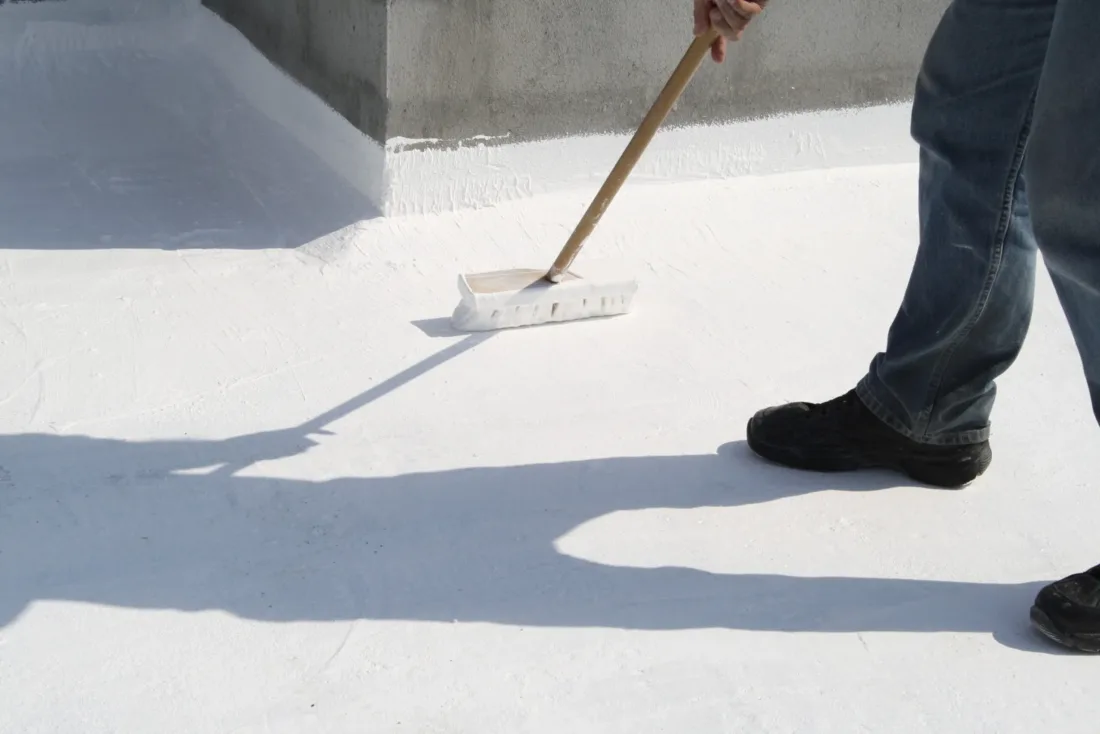
Silicone roof coatings are liquid-applied, moisture-cured elastomeric membranes formulated from polymerized siloxane (the chemistry behind silicone caulks, sealants, and gaskets, scaled up for full-roof application). Once applied to a properly prepared substrate, silicone cures into a continuous, fully-adhered, seamless membrane that bonds tightly to the underlying roof and resists the conditions that age commercial roofs fastest, UV, water, temperature swings, and minor mechanical stress.
Most commercial silicone systems are high-solids formulations (90%+ solids), which means a single application produces a thicker dry film than equivalent application volumes of water-based acrylics or solvent-based alternatives. That higher film build is a major reason silicone delivers superior performance over its service life.
The Real Advantages of Silicone Coatings in Frederick, CO
Silicone has specific, measurable advantages over other coating chemistries, particularly in Colorado’s climate.
Best-in-class ponding water resistance.
Most coating chemistries degrade when standing water sits on them for extended periods. Acrylics in particular can soften, swell, and lose adhesion under ponding conditions. Silicone is fundamentally different: it doesn’t react with water and doesn’t degrade under ponding. For Frederick, CO commercial roofs with drainage limitations or persistent ponding (which is common on aging buildings with original drainage that no longer matches actual rainfall patterns), silicone is the chemistry to reach for.
Exceptional UV stability.
At Frederick, CO’s high-elevation altitude, UV exposure is significantly higher than at sea level. UV is the primary degradation mechanism for most coating systems over time. Silicone is among the most UV-stable coating chemistries available, holding its physical properties and reflectivity for years longer than equivalent acrylic systems would in the same exposure.
Excellent reflectivity for cool-roof savings.
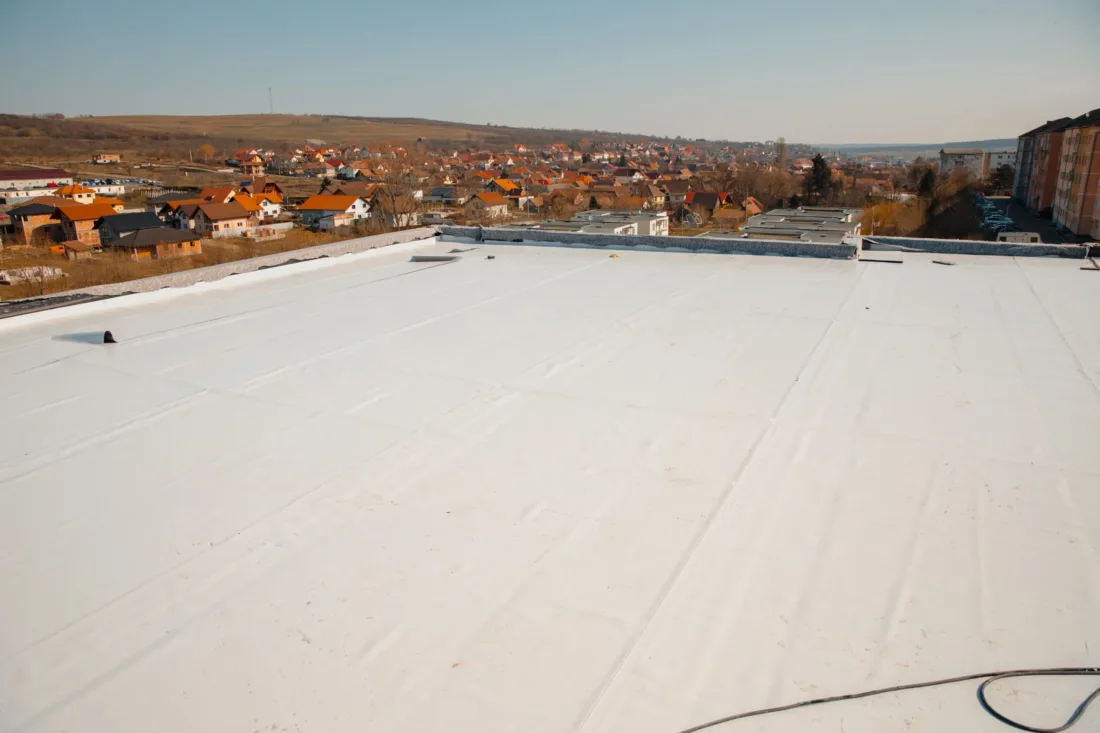
White silicone coatings carry initial solar reflectance values typically above 0.85 and high thermal emittance, which qualifies many silicone systems for ENERGY STAR ratings and meets cool-roof code requirements. The reflectivity reduces summer cooling loads on the building below, which translates into lower energy bills and less stress on rooftop HVAC equipment.
Long service life and strong manufacturer warranties.
Manufacturer warranties on properly installed silicone systems typically run 15 to 20 years, with some manufacturers offering up to 25-year terms on premium systems with full installation specifications. Real-world service life on well-applied silicone is often 20+ years before recoating is needed.
Single-coat options available.
Many silicone systems are formulated for single-coat application at the specified mil thickness, saving labor and project time compared to multi-coat acrylic systems that require return passes for proper film build.
The Honest Limitations of Silicone Coatings
No coating chemistry is universally best, and we’d rather tell you the trade-offs up front than have you discover them three years in. Silicone has specific limitations that matter in some applications.
Higher upfront cost than acrylics.
Silicone material costs more per gallon than acrylic, and the labor isn’t dramatically cheaper. On larger commercial roofs, the cost difference between silicone and acrylic systems can be material. For roofs with good drainage, low UV exposure, and short service-life expectations, an acrylic system may produce a better cost-per-year outcome.
Dirt pickup over time.
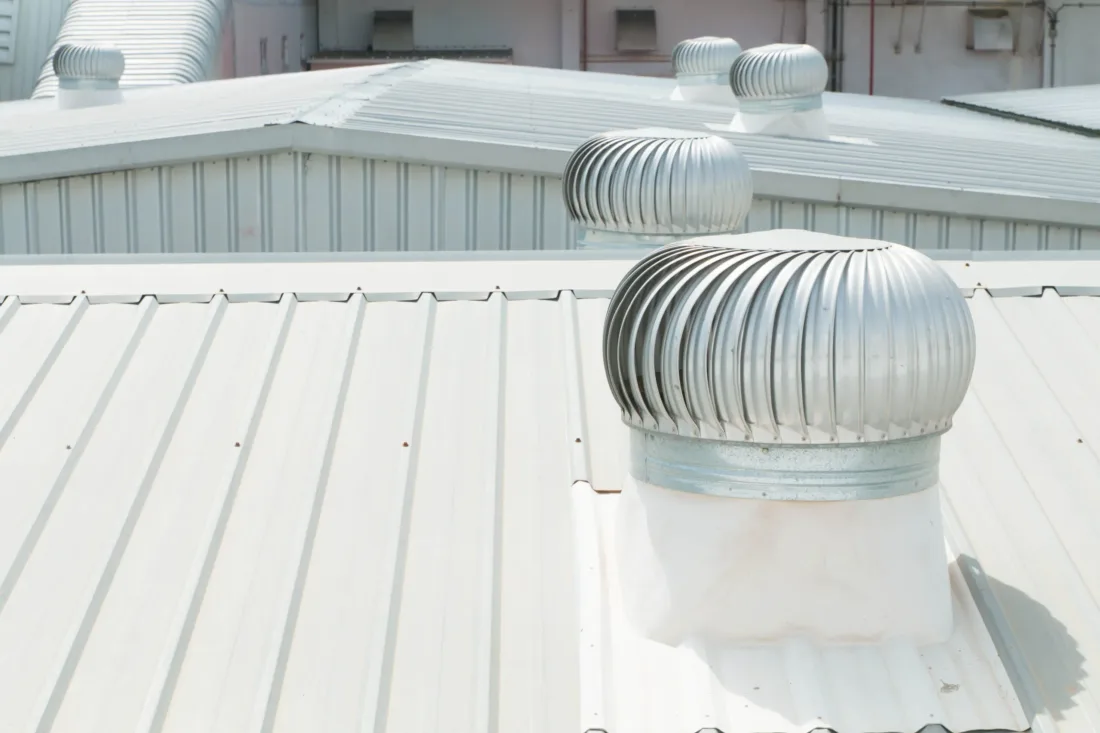
Cured silicone has a slight tackiness that picks up airborne dirt over years of exposure. This is mostly cosmetic, the coating still performs, but white silicone roofs can become noticeably darker than their original installation. Reflectivity does decrease somewhat as dirt accumulates.
Slipperier when wet than acrylic.
Cured silicone is more slippery underfoot than acrylic when wet. For commercial roofs with frequent maintenance access, this matters, anti-slip granules can be broadcast into the wet coating during application to address this where needed.
Once silicone, always silicone.
This is the most important limitation to understand. Once a silicone coating is applied to a roof, no other coating system (acrylic, urethane, or otherwise) will reliably adhere to it. Future recoating must be silicone-on-silicone. This isn’t a problem if you intend to maintain the system long-term, but it does lock in the chemistry choice for the rest of the roof’s life.
More demanding application than acrylic.
Silicone is moisture-cured, which means application during wet weather, rain, or extreme humidity can produce inconsistent cure. Cold weather extends cure times. Application takes more discipline and weather awareness than acrylic, which is one of the reasons we apply silicone systems primarily in Colorado’s stable warm-weather windows.
Where Silicone Coatings Work Best
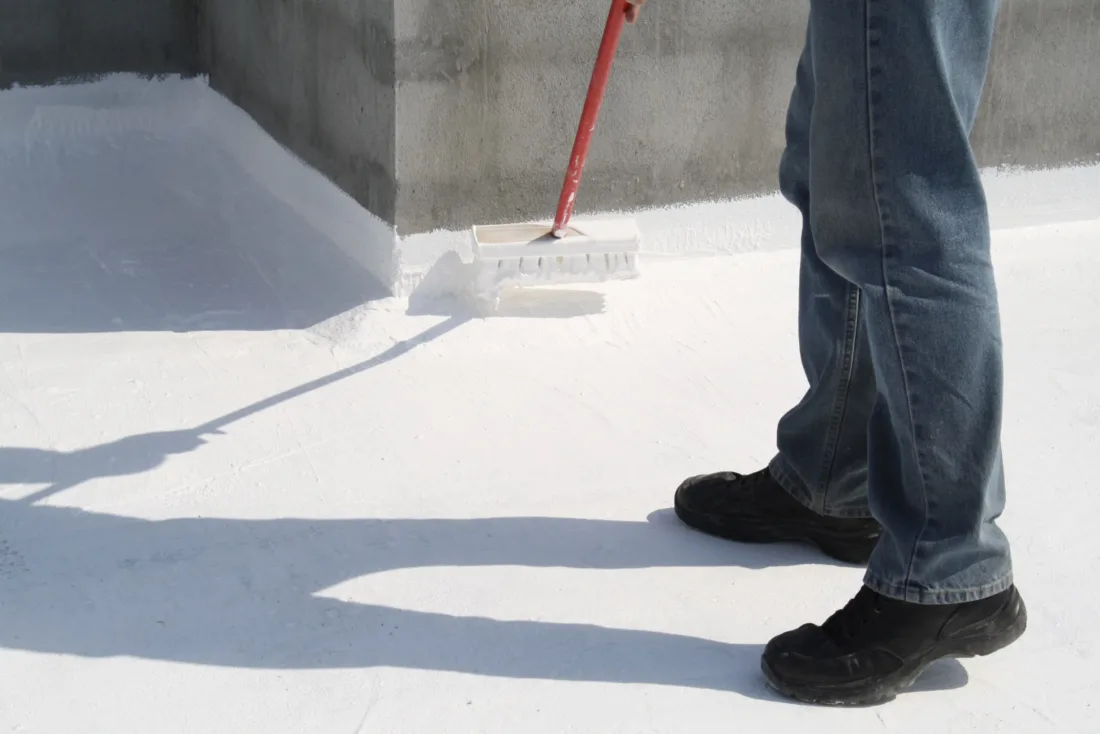
Silicone is the right call on these specific situations:
- Aging single-ply membranes (TPO, EPDM, PVC) with surface degradation but sound substrate
- Built-up and modified bitumen roofs with widespread minor failures and surface aging
- Spray polyurethane foam (SPF) roofs where the original coating has aged out, silicone is the standard recoat for SPF
- Commercial flat roofs with persistent ponding water that disqualify acrylic systems
- High-altitude Colorado buildings with significant UV exposure
- Buildings where energy efficiency and cool-roof reflectivity are priorities
- Properties seeking a long manufacturer warranty (15-20+ years) without full replacement
Silicone is not the right call when the underlying roof has saturated insulation, system-wide membrane failure, or significant deck damage. In those situations, the underlying problem won’t be solved by any coating, and you need a full replacement instead.
How We Apply Silicone Coating Systems
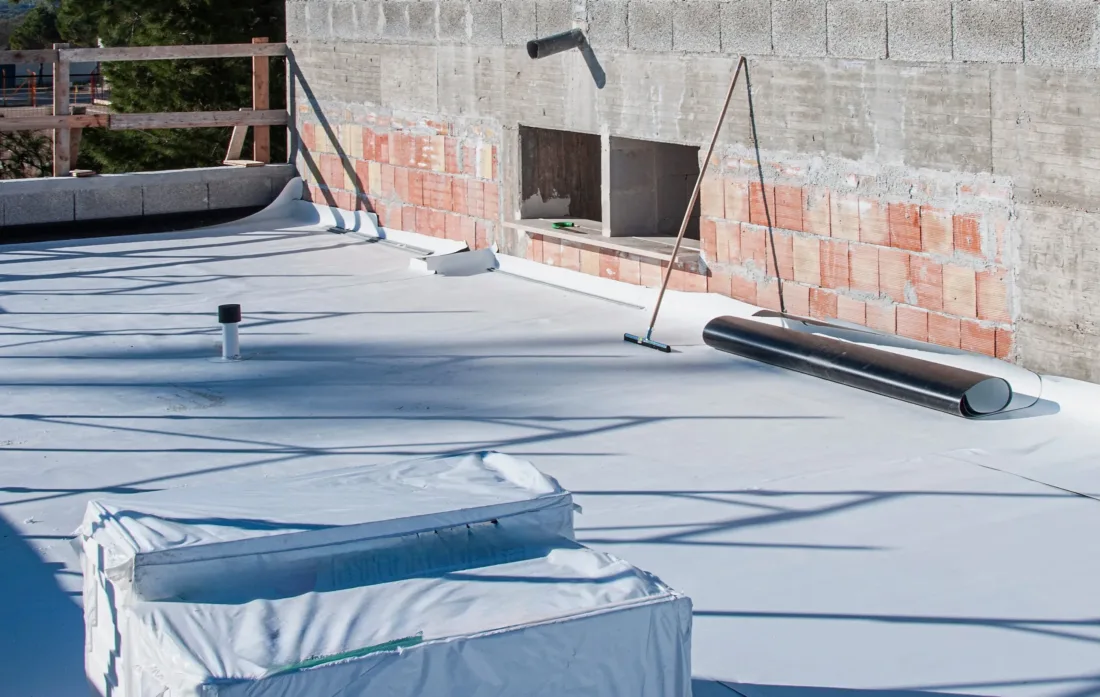
Silicone coating performance lives or dies on application discipline. Most silicone failures we see on roofs originally done by other contractors trace back to skipped surface prep, wrong primer, applying in the wrong weather, or applying at the wrong thickness. Our process:
- Roof inspection and substrate confirmation. We confirm the existing roof system is suitable for silicone coating and identify any repairs needed before coating.
- Repairs and detail work. Damaged seams, flashings, and penetrations are repaired using manufacturer-approved methods before coating begins.
- Surface preparation. The roof is power-washed to remove dirt, oxidation, biological growth, and contaminants that would compromise adhesion.
- Primer application where required. Silicone bonds beautifully to most substrates without primer, but specific substrates (some EPDM, certain metal, etc.) require primer for reliable adhesion. We follow manufacturer specs precisely.
- Detail reinforcement. Seams, penetrations, and high-stress areas are reinforced with manufacturer-approved fabric embedded in silicone.
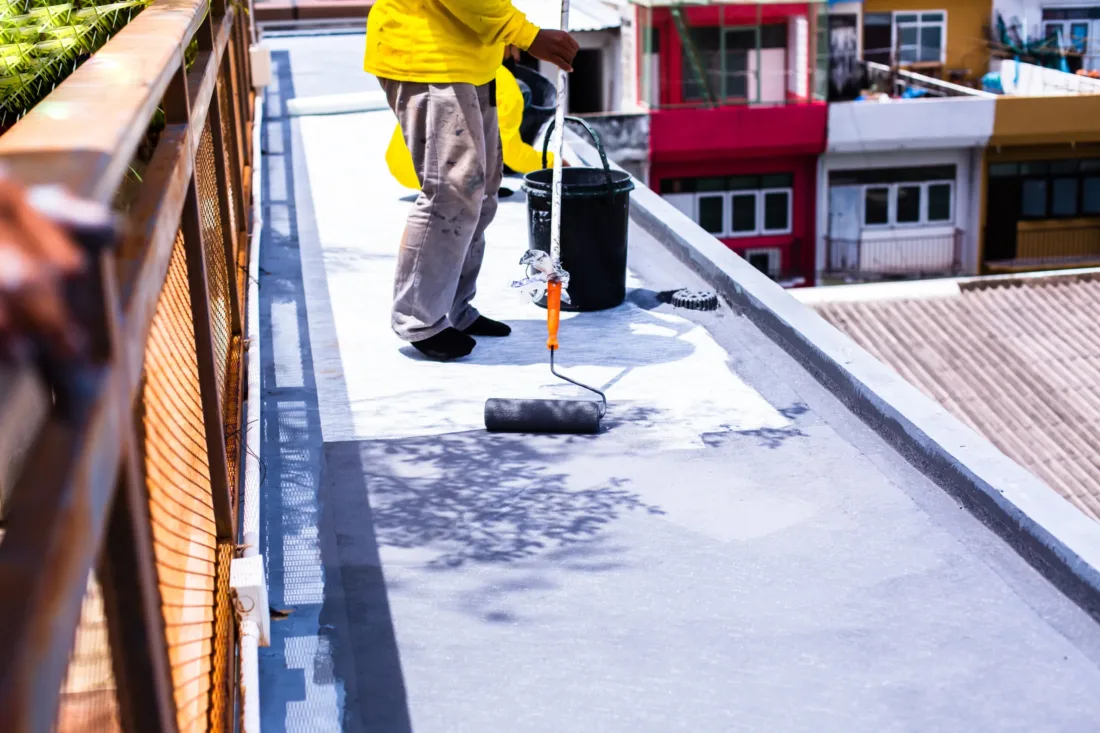
- Field application. Silicone is applied at the specified mil thickness using spray or roller systems. Wet-mil gauges verify thickness during application.
- Cure window protection. The roof is protected from rain and traffic during the cure window, typically 24 to 72 hours depending on weather and product.
- Inspection and warranty registration. Final inspection, photo documentation, manufacturer warranty registration, and our workmanship warranty in writing.
Why Silicone Fits Frederick, CO’s Climate
Three Frederick, CO-specific climate factors make silicone particularly well-suited to commercial roofs across Colorado.
High-altitude UV.
At Colorado’s elevation, Frederick, CO receives more UV than lower-elevation cities. UV is the primary degradation mechanism for coating systems over time, and silicone’s UV stability is a major reason it outperforms other chemistries in this climate.
Freeze-thaw cycles.
Colorado’s freeze-thaw cycle drives water into any compromised coating. Silicone’s elasticity and resistance to water-driven degradation handle freeze-thaw better than rigid or water-sensitive alternatives.
Ponding water on aging roofs.
Many older Frederick, CO commercial roofs have inadequate slope or aging insulation that creates ponding. Silicone is the chemistry that handles ponding, full stop. For roofs with ponding issues, silicone is often the only honest coating answer.
Frequently Asked Questions: Commercial Silicone Roof Coatings in Frederick, CO
-
How long does a silicone roof coating last?
Manufacturer warranties typically run 15 to 20 years on properly installed silicone systems, with some premium systems offering 25-year warranties. Real-world service life is often longer than the warranty period when the original application was done correctly and periodic inspection catches any issues early.
-
How much does silicone roof coating cost vs. acrylic in Frederick, CO?
Silicone material costs more per gallon than acrylic, and the installed cost on a typical commercial flat roof typically runs 20% to 40% higher than equivalent acrylic application. The cost premium is worth paying when ponding water resistance or high-altitude UV stability matter, and isn’t worth paying on roofs where those factors don’t apply.
-
Can silicone be applied over my existing TPO/EPDM/PVC/modified bitumen/BUR/SPF roof?
Yes, silicone is compatible with all of those substrates with proper surface preparation and primer where required. SPF roofs are particularly common candidates for silicone recoat because silicone is the standard top coat for new SPF systems. We confirm compatibility and specify the correct primer (if any) during the inspection.
-
Will a silicone coating stop my commercial roof from leaking?
On most aging commercial roofs with surface-level failures, yes. Silicone bonds to seams, flashings, and penetrations to create a continuous waterproof layer that addresses the most common leak points on aging single-ply, modified bitumen, and built-up roofs. Roofs with saturated insulation or system-wide failures need replacement, not coating.
-
Is silicone the right coating for my building?
It depends on the substrate, the drainage, the UV exposure, your service-life expectations, and your budget. Silicone is the right answer often, but not always. Our inspection will tell you whether silicone is the right coating chemistry, whether acrylic would be a better fit for your situation, or whether replacement actually makes more sense.
-
Can a silicone-coated roof be coated with anything else later?
No. Once silicone is on the roof, future recoats must be silicone. No other coating chemistry will reliably adhere to cured silicone. This isn’t a problem for owners who plan to maintain the silicone system long-term, but it’s worth understanding before you choose silicone over a more flexible chemistry.
-
Is silicone coating ENERGY STAR rated?
Most white silicone coatings from major manufacturers carry ENERGY STAR ratings and meet cool-roof code requirements where applicable. Specific products vary, we can confirm the rating for the system we’re proposing on your project.
Get a Silicone Roof Coating Estimate in Frederick, CO
If your commercial flat roof has surface aging, ponding water, leaking seams, or just needs more service life before a full replacement makes sense, a silicone coating system may be the right answer. Baseline Roofing and Solar inspects, specifies, and applies commercial silicone coating systems across Frederick, CO and surrounding Colorado communities, and we’ll tell you straight whether silicone is the right call for your specific roof.
-
More Silicone Roof Coatings Locations +
- Silicone Roof Coatings in Colorado
- Silicone Roof Coatings in Arvada, CO
- Silicone Roof Coatings in Aurora, CO
- Silicone Roof Coatings in Berthoud, CO
- Silicone Roof Coatings in Boulder, CO
- Silicone Roof Coatings in Brighton, CO
- Silicone Roof Coatings in Broomfield, CO
- Silicone Roof Coatings in Castle Pines, CO
- Silicone Roof Coatings in Castle Rock, CO
- Silicone Roof Coatings in Centennial, CO
- Silicone Roof Coatings in Cherry Creek, CO
- Silicone Roof Coatings in Cherry Hills Village, CO
- Silicone Roof Coatings in Colorado Springs, CO
- Silicone Roof Coatings in Commerce City, CO
- Silicone Roof Coatings in Englewood, CO
- Silicone Roof Coatings in Erie, CO
- Silicone Roof Coatings in Firestone, CO
- Silicone Roof Coatings in Fort Collins, CO
- Silicone Roof Coatings in Frederick, CO
- Silicone Roof Coatings in Golden, CO
- Silicone Roof Coatings in Greeley, CO
- Silicone Roof Coatings in Greenwood Village, CO
- Silicone Roof Coatings in Gunbarrel, CO
- Silicone Roof Coatings in Highlands Ranch, CO
- Silicone Roof Coatings in Lafayette, CO
- Silicone Roof Coatings in Lakewood, CO
- Silicone Roof Coatings in Littleton, CO
- Silicone Roof Coatings in Lone Tree, CO
- Silicone Roof Coatings in Longmont, CO
- Silicone Roof Coatings in Louisville, CO
- Silicone Roof Coatings in Loveland, CO
- Silicone Roof Coatings in Mead, CO
- Silicone Roof Coatings in Niwot, CO
- Silicone Roof Coatings in Northglenn, CO
- Silicone Roof Coatings in Parker, CO
- Silicone Roof Coatings in Superior, CO
- Silicone Roof Coatings in Thornton, CO
- Silicone Roof Coatings in Westminster, CO
- Silicone Roof Coatings in Wheat Ridge, CO
- Silicone Roof Coatings in Windsor, CO