Roof Repair in Colorado
Not every roof problem requires full replacement. Roof repair, addressing localized damage, failed flashings, missing shingles, leak sources, and other targeted issues, is often the right answer when the underlying roof system is sound but specific points have failed. A properly executed repair can extend a roof’s service life by years and prevent the kind of slow, hidden water damage that turns a simple fix into a major restoration project. The catch is that repair only works when it’s done right, and “done right” means addressing the actual cause of the problem rather than just covering the visible symptom. Caulk and sealant on top of a failed flashing is not a repair. It’s a delay tactic that costs more in the long run.
Baseline Roofing and Solar handles residential roof repair across Colorado and communities throughout Colorado. We do honest repairs, meaning we identify the actual underlying issue, fix it properly with manufacturer-approved materials and methods, and stand behind the work in writing. We’re certified across the major residential manufacturers (GAF, CertainTeed, Owens Corning, Malarkey, Atlas, IKO), which means repair work is done in a way that preserves your existing manufacturer warranty rather than voiding it. And we tell you straight when repair is genuinely the right call, and when the honest answer is that the roof has reached the point where replacement is the better long-term decision.
This page covers what residential roof repair actually includes, the most common repair scenarios on Colorado homes, the repair-versus-replacement decision framework, our honest repair philosophy, the repair process, what affects cost, and the climate-specific repair issues that come up most often across Colorado.
What Residential Roof Repair Actually Covers
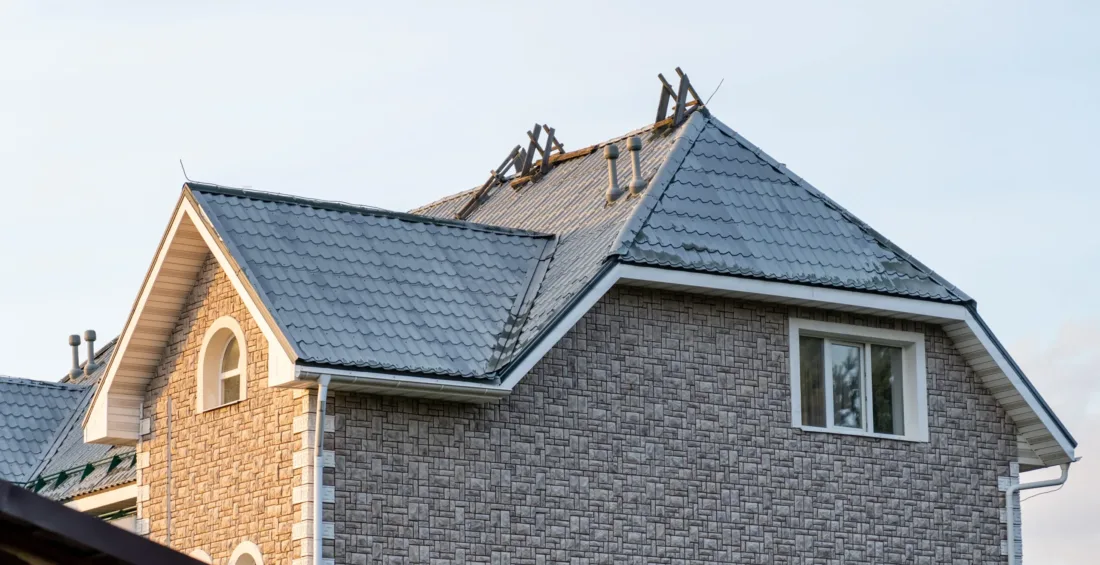
Residential roof repair covers a wide range of targeted fixes. The specific scope depends entirely on what’s wrong with the roof, but most repair calls fall into one of the categories below.
Active leak repair.
Water coming through the ceiling, water staining on interior walls, dripping at light fixtures, or visible water in the attic. Leak repair starts with diagnosis, finding the actual entry point, which is often nowhere near where the water is showing up inside, followed by addressing the cause.
Shingle repair and replacement.
Missing shingles after wind events, damaged shingles from impact, lifted shingles from poor original installation, and individual shingle replacement to address localized aging or hail bruising.
Flashing repair and rebuilding.
Step flashing at wall transitions, valley flashing, pipe boot replacement, chimney flashing, skylight flashing, and drip edge repair. Failed flashings are one of the most common sources of residential roof leaks, and proper repair often means rebuilding rather than just resealing.
Ridge cap and ridge vent repair.
Damaged or missing ridge cap shingles, displaced ridge vents from wind, and ridge-line leak repair.
Skylight repair.
Skylight leaks are commonly traced to failed flashing or compromised seals around the skylight rather than the skylight unit itself. Repair often involves rebuilding the surrounding flashing system.
Localized hail damage repair.
When hail damage affects only a small portion of the roof, a single slope facing the storm, a few specific shingles, targeted repair can be the right call rather than full replacement. Insurance often supports this when the damage scope is localized.
Storm damage repair.
Wind, rain, ice damming, and tree-strike damage that’s localized enough to repair rather than replace.
Roof penetration and accessory repair.
Vent stack flashing, attic vent repair, satellite mount repairs, solar panel attachment leaks, and other roof penetration issues.
Decking repair.
When water has gotten under the shingles long enough to damage the underlying decking, the affected sheets may need to be replaced as part of the repair scope.
Common Residential Roof Repairs in Colorado
Some repair issues come up over and over on Colorado homes, often driven by the specific climate conditions Colorado delivers. Here are the most common scenarios we see, and what “properly fixed” looks like for each.
Pipe Boot Failures
This is the single most common residential leak source we see in Colorado. Rubber pipe boots, the seals around plumbing vent stacks, degrade under high-altitude UV exposure faster than they would at lower elevations. Most original pipe boots fail in 7 to 12 years, and when they crack, water runs down the vent stack and into the attic. The proper fix is replacement of the entire boot with a manufacturer-approved unit (modern boots often use higher-grade rubber or include lifetime metal flashing components). Caulking a cracked pipe boot is a temporary delay; replacement is the actual repair.
Chimney Flashing Failures
Chimney flashings, the metal that seals where the chimney meets the roof, fail in several patterns. Sealant cracks at the counter-flashing, step flashing pulls away from the chimney as wood shrinks, and original installations on older homes are sometimes simply built wrong. Proper repair often means rebuilding the entire chimney flashing system: new step flashing on each shingle course, new counter-flashing properly let into the chimney mortar, and code-compliant sealants. Smearing roofing cement on a leaking chimney flashing is the worst kind of “repair”, it traps water rather than directing it away.
Wind Damage and Missing Shingles
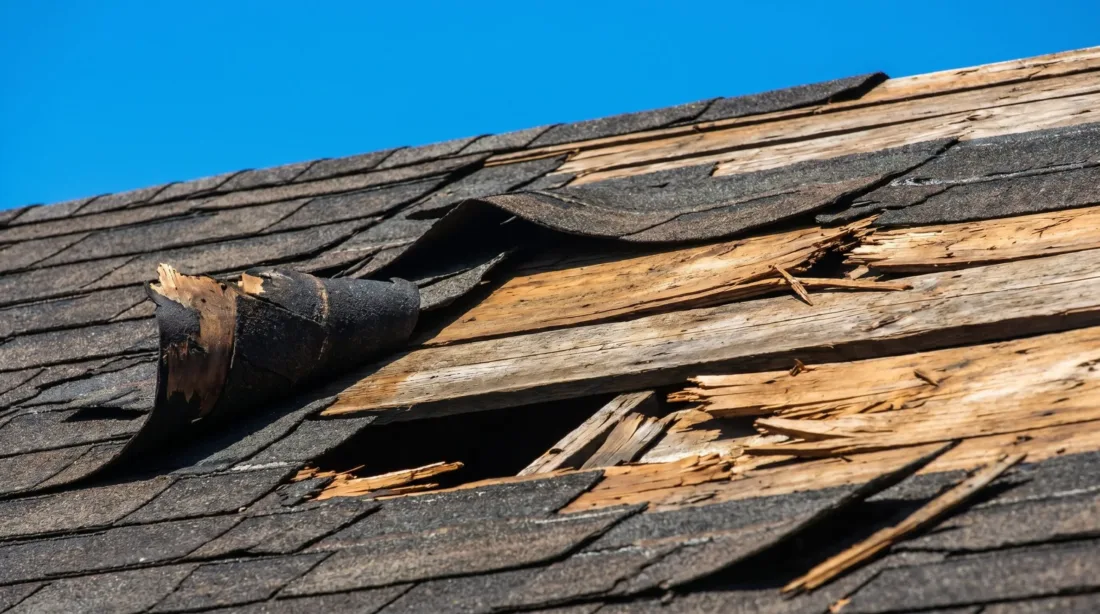
Severe Colorado windstorms and thunderstorm gusts regularly exceed 60 mph and occasionally top 80 mph. Shingles can lift, crease, or tear off in these events, particularly on roofs with original installation issues, low-quality shingles, or aged shingles where the self-sealing strip has lost adhesion. Proper wind damage repair involves replacing affected shingles with matching product (color and profile) and verifying that surrounding shingles haven’t been compromised.
Ice Damming Damage at Eaves
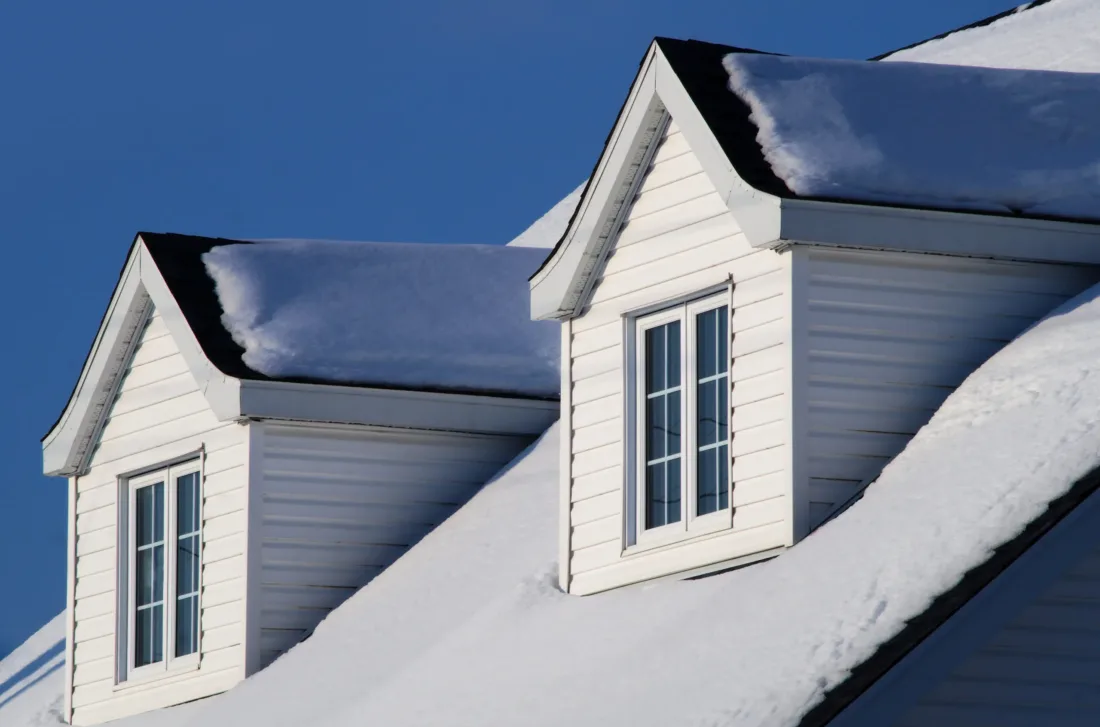
Ice dams form when warm attic air melts snow on the roof, water runs down to the colder eave, and re-freezes into ice that backs water up under the shingles. The damage can include shingle uplift, damaged underlayment, water-stained interior ceilings at exterior walls, and (in severe cases) decking damage. Repair addresses the immediate damage and ideally the underlying cause, typically inadequate attic insulation or ventilation that allowed the warm-attic condition.
Valley Flashing Issues
Roof valleys concentrate water from two slopes into a single drainage path, which makes them one of the highest-stress areas on any roof. Valley flashing failures show up as leaks running parallel to the valley line. Repair usually means stripping back shingles on both sides of the valley, replacing the underlying valley metal and ice-and-water shield, and rebuilding the shingle weave or open-valley termination properly.
Step Flashing Failures at Walls
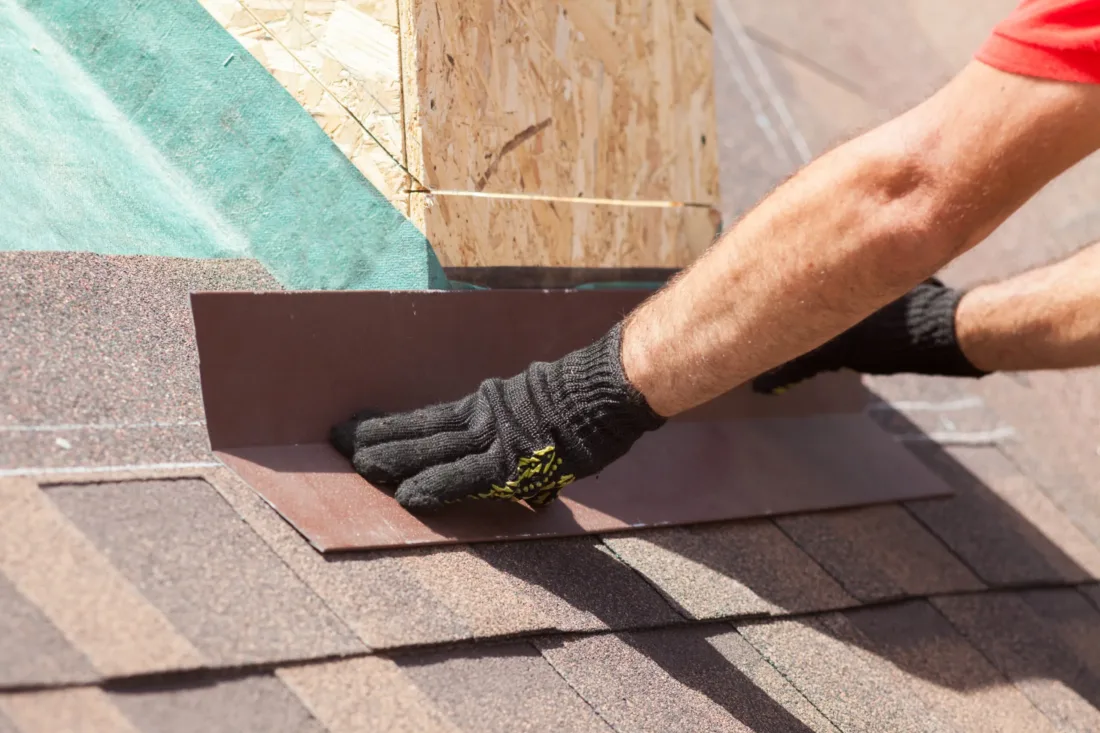
Where a roof slope meets a wall (sidewalls, dormers, second-story tie-ins), step flashing, a series of L-shaped metal pieces, one per shingle course, directs water from the roof down to the next course. Improperly installed step flashing (a common shortcut: substituting continuous flashing for proper step flashing) leaks within a few seasons. Proper repair involves removing the affected shingles and rebuilding the step flashing system correctly.
Skylight Leaks
Most skylight leaks aren’t actually the skylight. They’re the surrounding flashing system. The proper repair often involves removing shingles around the skylight, inspecting and replacing the curb flashing, replacing the head flashing and step flashing along the sides, and rebuilding the shingle integration. Aged skylight units that have failed sealants may also need replacement, but flashing rebuild is the more common fix.
Localized Hail Damage
When hail damage is concentrated on one slope (typically the slope that faced the storm) and the rest of the roof is undamaged, targeted repair can be appropriate, particularly if the affected area is small. Repair involves replacing damaged shingles with matching product. For widespread hail damage, replacement is typically the right call instead, often supported by insurance.
Repair or Replace? The Honest Decision Framework
Some roofing companies push replacement on every estimate because replacement is more profitable than repair. We don’t operate that way. The right answer depends on the specific roof, and we’ll tell you straight which makes more sense for your situation.
Repair is usually the right call when:
- The damage is localized, a few shingles, a single flashing, one slope after a storm
- The roof has significant remaining service life, typically 5+ years on a relatively modern roof
- The underlying decking is sound and the roofing system is generally in good condition
- Repairs aren’t a recurring pattern, this is a single specific issue, not the third leak in two years
- The cost of repair is significantly less than partial or full replacement, and the repair will last
- The manufacturer warranty is intact and repair work won’t void it
Replacement is usually the right call when:
- The roof is approaching or past its expected service life (typically 25+ years for asphalt shingles)
- Damage is widespread across multiple slopes or the entire roof system
- Recurring leaks suggest systemic underlying problems rather than isolated failures
- The decking has rot, water damage, or structural issues over significant area
- Major hail or storm damage affects most of the roof and is covered by insurance
- Granule loss is widespread and shingles are visibly aged across the system
- Past repairs have already failed and continued repair is throwing good money after bad
Our inspection lays out the options honestly, with the trade-offs of each path. If repair is the right call. We’ll do it. If replacement is genuinely the better answer. We’ll tell you that, even when you came to us hoping for a quick repair quote.
Our Honest Repair Philosophy
Roof repair done correctly takes more time and effort than roof repair done poorly. We do it the harder way for specific reasons that pay off years down the road.
We diagnose the cause, not just the symptom.
Water shows up inside the home in places that are often nowhere near the actual roof entry point. Water enters at one location, runs along structural members and rafters, and shows up dripping at a light fixture or staining a ceiling several feet away. Lazy repair finds the visible interior damage and patches the nearest spot on the roof above it. Proper repair traces the water path back to the actual entry point and fixes the actual problem.
We don’t substitute caulk for proper repair.
Roofing cement, caulk, and sealant have legitimate uses on a roof, and they’re vastly overused as substitutes for proper repair. A failed flashing covered in roofing tar is not fixed; it’s a leak waiting to come back, often worse, in two or three seasons. We replace failed components rather than just sealing over them.
We use matching materials.
Replacement shingles should match the existing roof’s color and profile. Lazy repairs grab whatever shingle the contractor has in the truck, and the result is a mismatched patch that’s visible from the curb and devalues the home. We source matching product whenever possible.
We respect the manufacturer warranty.
Most residential roof manufacturer warranties have specific requirements about repair work, using approved materials, following installation specifications, sometimes requiring certified installers. Sloppy repair can void a warranty that has many years of remaining coverage. We do repair work in ways that preserve your existing warranty.
We tell you what we’re doing.
Before we start work, we explain what we found, what we’re going to do about it, and what the repair includes. After we’re done, we walk you through the work and provide written documentation. No mystery, no surprise charges, no work outside the agreed scope without prior approval.
The Roof Repair Process
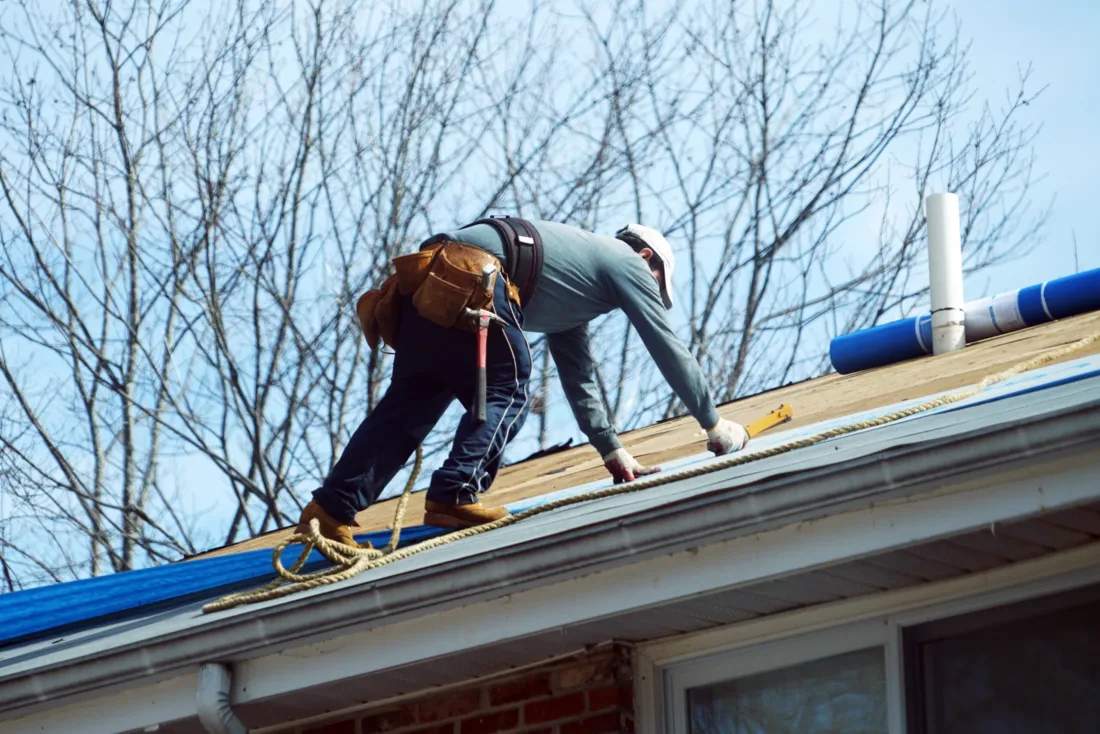
Every repair project at Baseline follows a clear process designed to fix the problem properly the first time.
- Initial conversation. We discuss the issue by phone, what you’re seeing, when it started, any related conditions, and schedule an inspection.
- On-site inspection. A qualified estimator inspects the roof, identifies the actual cause of the issue, and assesses any related conditions that affect the repair scope or the roof’s overall condition.
- Diagnosis and recommendation. We explain what we found, what’s causing the problem, and what the repair will involve. Where appropriate. We’ll also discuss broader roof condition and any other issues we noticed.
- Written estimate. You receive a written estimate identifying the repair scope, materials, project timeline, and price. For larger or more complex repairs. We’ll discuss any contingencies.
- Scheduling. Once approved, we schedule the work around weather windows. Most residential repairs take a few hours to a day on site.
- Repair execution. Our crew performs the repair to manufacturer specification, with attention to materials match, flashing rebuild quality, and workmanship that preserves the existing manufacturer warranty.
- Walkthrough and documentation. We walk through the completed repair, document the work with photos, and provide written documentation of what was done and our workmanship warranty on the repair.
- Follow-up. If the repair is in response to an active leak, we recommend monitoring through the next rain event to confirm the fix held. We’ll come back if anything looks different than expected.
What Affects Roof Repair Cost in Colorado
Repair costs vary widely based on what’s wrong, where it is on the roof, and what’s needed to fix it properly. Some factors that affect repair pricing:
- Scope of repair. A pipe boot replacement is a different conversation than a chimney flashing rebuild or a valley reconstruction. Cost scales with the actual work required.
- Roof access and pitch. Steep roofs require additional safety equipment and labor time. Multi-story roofs and roofs with limited access add cost.
- Material matching. Sourcing matching shingles for older roofs (where the original product may have been discontinued) sometimes adds time and material cost.
- Underlying condition. If we discover decking damage, water-rotted underlayment, or related issues during repair, addressing them is usually the right call but expands the scope.
- Number of separate repair points. A roof with one issue is cheaper to repair than the same roof with three or four separate issues each requiring their own work.
- Emergency vs. scheduled. Standard repair work scheduled in normal sequence is priced differently than emergency response after-hours or on weekends.
We provide written estimates for repair work after the on-site inspection so you know exactly what’s involved and what it costs before any work begins.
Colorado’s Climate and What It Does to Residential Roofs
Specific repair issues come up more often in Colorado than in milder climates because of what Colorado climate does to roofing materials over time.
High-altitude UV ages rubber components fast.
Pipe boots, rubber gaskets, and rubber-based sealants degrade under Colorado UV at noticeably faster rates than at lower elevations. Plan on replacing original rubber pipe boots within 7 to 12 years, even on otherwise sound roofs.
Freeze-thaw cycles stress flashings.
Colorado’s freeze-thaw cycle expands and contracts metal flashings repeatedly, working sealants loose and creating pathways for water entry. Flashing repair is one of the more common scheduled-maintenance items on aging Colorado roofs.
Wind regularly exceeds residential roof design tolerances.
severe gusts above 60-80 mph aren’t unusual across Colorado. Roofs installed with marginal fastener patterns or aging shingles whose self-sealing strips have failed are vulnerable, and post-wind shingle repair is a recurring scenario.
Hail creates targeted repair scenarios.
Not every hail event causes total replacement-level damage. Localized hail damage that affects a small area can often be repaired rather than replaced, particularly when the rest of the roof is in good condition.
Ice damming damage shows up at eaves.
Inadequate insulation or ventilation can create ice damming at eaves, which damages shingles, underlayment, and sometimes interior ceilings. Repair addresses the immediate damage; longer-term solutions often involve insulation or ventilation work to prevent recurrence.
Frequently Asked Questions: Roof Repair in Colorado
-
How much does roof repair cost in Colorado?
Repair costs vary widely with scope. A simple pipe boot replacement is typically a few hundred dollars; a chimney flashing rebuild or valley reconstruction can run into the low thousands; widespread shingle replacement on a slope can run higher still. We provide written estimates after on-site inspection so you know the actual cost before work begins.
-
How do I know whether to repair or replace my roof?
Repair is usually the right call when damage is localized, the roof has significant remaining service life, and the underlying system is sound. Replacement makes more sense when damage is widespread, the roof is past or near its expected service life, or recurring repairs suggest systemic problems. Our inspection will lay out the trade-offs honestly.
-
Will my insurance cover roof repair?
Storm-driven damage (hail, wind, fallen branches) is typically covered by homeowner insurance subject to your deductible and policy terms. Repair driven by general aging, wear, or maintenance issues is usually not insurance-covered. That’s homeowner maintenance cost. We’ll help you understand which category your repair falls into.
-
How long does a roof repair take?
Most residential repairs take a few hours to a day on site, depending on scope, weather, and complexity. Complex repairs (large valley reconstruction, multiple flashing rebuilds, decking replacement) can take longer. We provide a timeline as part of the estimate.
-
Will a repair void my manufacturer warranty?
Most manufacturer warranties allow for repairs by authorized contractors using approved materials. Sloppy repair work, using non-approved materials, applying caulk over failed components, deviating from manufacturer specifications, can void the warranty. We do repair work in ways that preserve your existing manufacturer warranty whenever possible.
-
Should I climb up and try to repair my roof myself?
We strongly recommend against it. Even on relatively low-pitched roofs, falls are a serious risk. More important, DIY repairs almost always address symptoms rather than causes, the actual leak source is often nowhere near the visible interior damage. A repair that doesn’t address the real cause leaves the underlying problem getting worse, often hidden until significant damage has occurred.
-
How do I find a leak’s actual source on my roof?
This is genuinely difficult, which is part of why proper roof inspection matters. Water enters at one point, runs along structural members, and shows up inside the home far from the entry. Diagnosis requires inspecting the roof systematically, often using water testing to confirm the actual entry point, and looking at flashings, penetrations, valleys, and shingles in the upstream area. Our inspections include leak source diagnosis when an active leak is the issue.
Get a Free Roof Repair Estimate in Colorado
Whether you’re dealing with an active leak, post-storm damage, an aging pipe boot, a failed chimney flashing, or any other targeted roof issue, Baseline Roofing and Solar is ready to help. We do honest repair work, we identify the real cause, fix it properly with manufacturer-approved materials and methods, and tell you straight when repair is the right call versus when replacement is the better long-term answer.
-
More Residential Roof Repair Locations +
- Residential Roof Repair in Colorado
- Residential Roof Repair in Arvada, CO
- Residential Roof Repair in Aurora, CO
- Residential Roof Repair in Berthoud, CO
- Residential Roof Repair in Boulder, CO
- Residential Roof Repair in Brighton, CO
- Residential Roof Repair in Broomfield, CO
- Residential Roof Repair in Castle Pines, CO
- Residential Roof Repair in Castle Rock, CO
- Residential Roof Repair in Centennial, CO
- Residential Roof Repair in Cherry Creek, CO
- Residential Roof Repair in Cherry Hills Village, CO
- Residential Roof Repair in Colorado Springs, CO
- Residential Roof Repair in Commerce City, CO
- Residential Roof Repair in Englewood, CO
- Residential Roof Repair in Erie, CO
- Residential Roof Repair in Firestone, CO
- Residential Roof Repair in Fort Collins, CO
- Residential Roof Repair in Frederick, CO
- Residential Roof Repair in Golden, CO
- Residential Roof Repair in Greeley, CO
- Residential Roof Repair in Greenwood Village, CO
- Residential Roof Repair in Gunbarrel, CO
- Residential Roof Repair in Highlands Ranch, CO
- Residential Roof Repair in Lafayette, CO
- Residential Roof Repair in Lakewood, CO
- Residential Roof Repair in Littleton, CO
- Residential Roof Repair in Lone Tree, CO
- Residential Roof Repair in Longmont, CO
- Residential Roof Repair in Louisville, CO
- Residential Roof Repair in Loveland, CO
- Residential Roof Repair in Mead, CO
- Residential Roof Repair in Niwot, CO
- Residential Roof Repair in Northglenn, CO
- Residential Roof Repair in Parker, CO
- Residential Roof Repair in Superior, CO
- Residential Roof Repair in Thornton, CO
- Residential Roof Repair in Westminster, CO
- Residential Roof Repair in Wheat Ridge, CO
- Residential Roof Repair in Windsor, CO