Other Residential Roofing Products in Colorado
Most residential roofing in Colorado falls into the major categories already covered on this site, asphalt shingles, composite shingles, Class 4 impact-resistant, metal, and tile or slate. Some homes need something different: cedar shake on traditional architecture (where local fire code allows), low-slope residential flat roof systems on contemporary or specific architectural styles, polycarbonate or specialty translucent panels on sunrooms and porch coverings, photovoltaic solar shingles on energy-priority projects, and green roof systems on the rare Colorado home where the architecture and structure support them. Baseline Roofing and Solar handles all of these specialty residential roofing applications across Colorado and the surrounding area and Colorado.
This page covers the residential roofing products that don’t have their own dedicated page in our material library, the specialty applications, the niche systems, and the specific use cases where the right material isn’t one of the major shingle, metal, or tile categories. We work across these systems, install to manufacturer specification where applicable, and tell you straight which approach fits your project, including when a more standard material would actually serve the home better.
Specific products covered include cedar shake (and its limitations in Colorado WUI zones), residential low-slope membrane systems, photovoltaic solar shingles, polycarbonate and specialty translucent panels, and green roof considerations.
Cedar Shake and Cedar Shingle Roofing
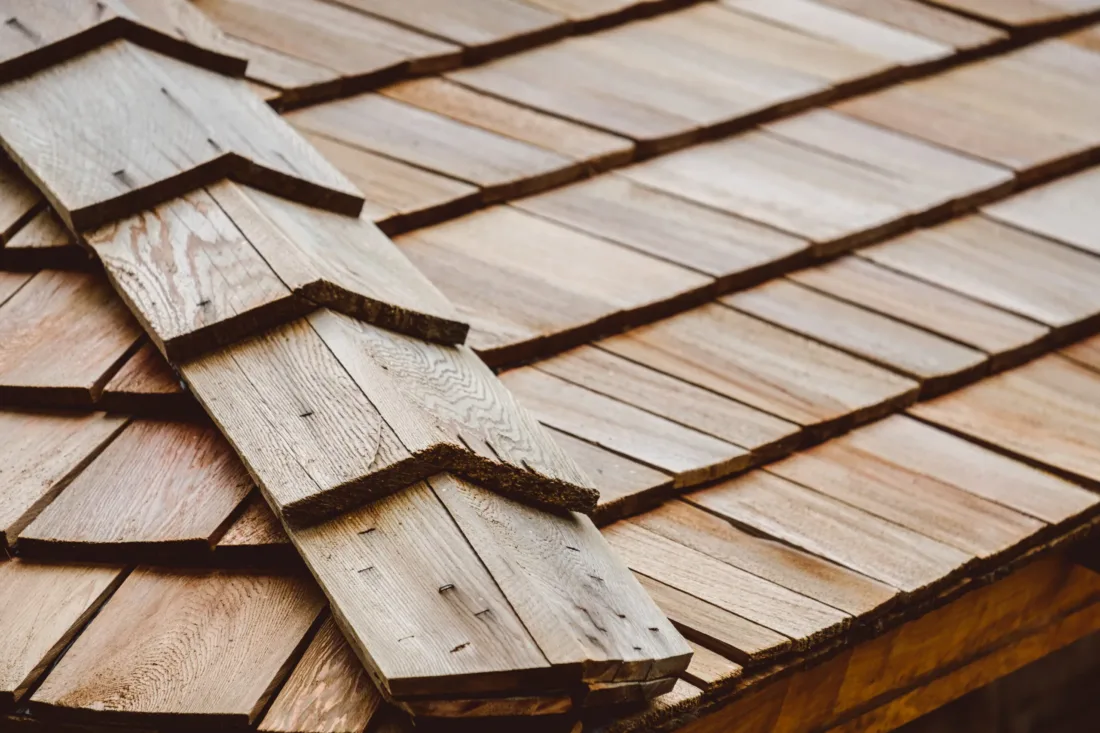
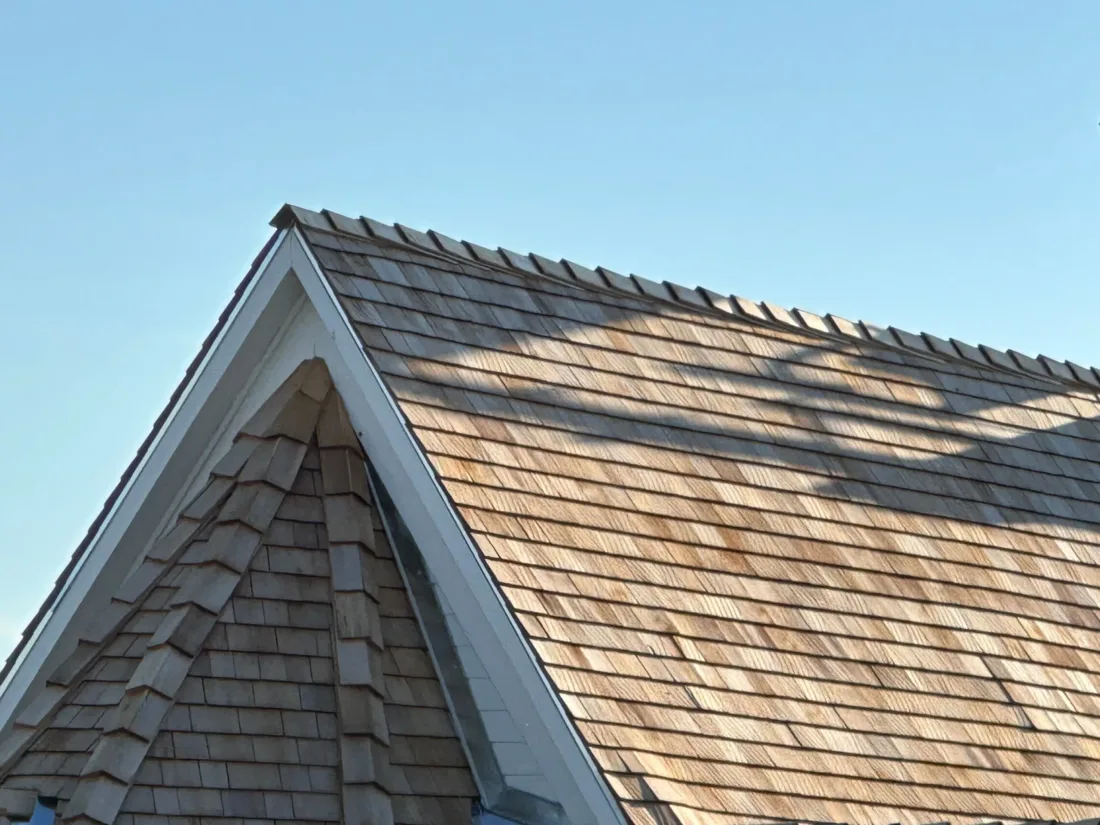
Cedar shake, the traditional split-from-log natural wood roofing material, has a long history on Colorado homes built in styles where the rustic, natural aesthetic is integral to the architecture. Mountain craftsman homes, traditional cabins, and certain custom builds all benefit visually from real cedar.
Two distinct cedar products.
- Cedar shakes. Hand-split or split-and-resawn shakes with irregular thickness and rougher surface texture. The traditional rustic appearance.
- Cedar shingles. Sawn cedar shingles with smoother surfaces and uniform thickness, a more refined appearance than shakes.
Cedar’s serious problems in Colorado specifically.
Cedar’s practical issues are real and specific to Colorado conditions:
- Wildfire risk. Wood roofing is combustible. In Colorado wildland-urban interface zones, foothills, mountain communities, exurban properties near grasslands, many jurisdictions now restrict or specifically prohibit cedar shake on new construction and replacements. Fire codes vary by jurisdiction; check before specifying.
- Maintenance requirements. Cedar requires periodic treatment, cleaning, fungicide application, sometimes re-staining, to maintain its service life. Without maintenance, cedar deteriorates faster than other materials.
- Hail vulnerability. Cedar can split or fracture under significant hail impact. While not as brittle as natural slate. It’s notably less hail-resistant than Class 4 alternatives.
- Service life. Cedar service life varies dramatically with maintenance and conditions, typically 20 to 30 years on well-maintained installations, less on neglected ones.
- Cost. Quality cedar is premium-priced, and treatment over the service life adds to total cost of ownership.
When cedar still makes sense.
On homes outside WUI fire restrictions, on properties where the architectural style genuinely demands authentic cedar, and on properties where the homeowner accepts the maintenance and hail-vulnerability trade-offs, cedar can be appropriate. We install cedar where conditions and codes allow.
When composite shake is the better answer.
For most Colorado homeowners who want the cedar shake aesthetic, composite shake delivers the look without the practical issues, fire-rated, maintenance-free, hail-resistant, longer warranty, lower lifetime cost. Inspire Roofing, DaVinci Roofscapes, EcoStar, and others produce convincing composite shake products. We typically recommend composite over natural cedar for Colorado applications.
Residential Low-Slope and Flat Roof Systems
Most Colorado residential roofs are pitched, but specific applications use low-slope or flat membrane systems: contemporary architectural styles with intentionally flat roof designs, low-slope additions or porches integrated with otherwise pitched roofs, rooftop decks, and certain modern custom builds.
Common residential low-slope systems.
- TPO (Thermoplastic Polyolefin) membrane. White single-ply membrane heat-welded at seams. Reflective, durable, and the most common choice for new residential low-slope installations. Service life typically 20-25 years.
- EPDM (Ethylene Propylene Diene Monomer) rubber membrane. Black rubber membrane with adhesive or mechanical seam joining. Long history of residential use, particularly on additions and smaller flat sections. Service life typically 25-30 years.
- Modified bitumen. Multi-layer asphalt-based system, common on smaller residential flat applications. Service life typically 15-20 years.
- PVC (Polyvinyl Chloride) membrane. Premium thermoplastic membrane with chemical and UV resistance. Less common in residential than TPO but appropriate for specific applications.
Residential vs commercial flat roof considerations.
The same membrane materials are used on both commercial and residential applications, but residential installations are typically smaller, simpler, and often integrated with adjacent pitched roofing. Detail work at transitions to pitched roof, around rooftop deck areas, and at penetrations matters more on residential applications because the smaller scale makes detail issues more visually prominent.
Why proper installation matters.
Low-slope membrane roofing depends on continuous waterproofing. There’s no granule layer or slope to shed water like a shingled roof has. Failed seams, improper detail work at penetrations, or incorrect transitions to pitched areas produce leaks. Manufacturer-spec installation by a contractor experienced in residential membrane work is critical.
Photovoltaic Solar Shingles
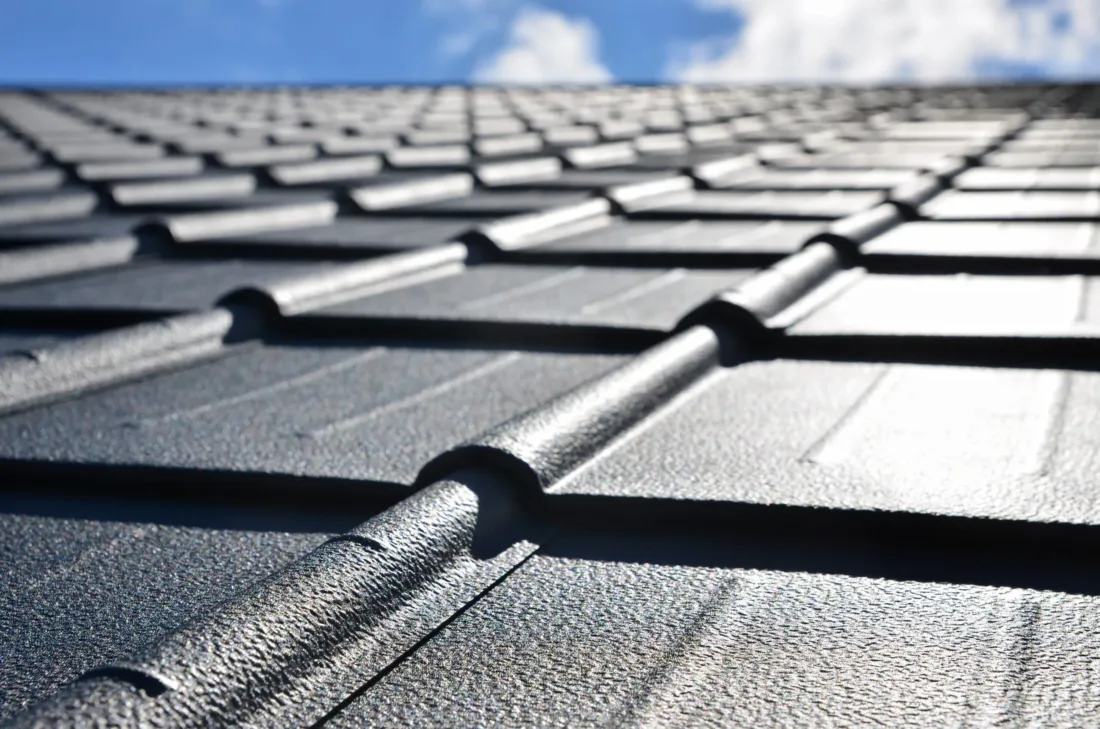
Solar shingles, also called solar tiles or building-integrated photovoltaics (BIPV), are roofing products that integrate photovoltaic solar generation directly into the roofing material. The most-discussed product in this category is the Tesla Solar Roof, with other manufacturers (GAF Energy, CertainTeed Apollo, others) offering competing or alternative systems.
How solar shingles differ from traditional solar.
Traditional rooftop solar uses panels mounted above the existing roof, the panels and the roof are separate systems. Solar shingles integrate the solar generation into the roofing material itself, replacing standard shingles with photovoltaic units. The visual character is more integrated; the roof and the solar are one system.
Honest considerations.
Solar shingles are an emerging category with specific trade-offs:
- Cost premium. Solar shingle systems typically cost substantially more than traditional roof + traditional rooftop solar combined.
- Service life of solar generation matched to roof. The solar generation is rated for the roof’s service life, eliminating the rooftop-solar issue of having to remove/reinstall an array during a future roof replacement.
- Installation expertise. Solar shingle installation requires both roofing and electrical expertise. Most installations are coordinated between the manufacturer-certified installer and electrical work.
- Performance per square foot. Solar shingles typically generate less power per square foot than premium traditional panels, due to integration with roofing form factors.
- Manufacturer ecosystem still evolving. The category is maturing; long-term performance data is still being established.
When solar shingles make sense.
Homeowners with strong aesthetic preferences against visible rooftop panels, new construction or storm-driven replacement where the timing aligns, and projects with budget for the cost premium. For most Colorado homeowners, traditional rooftop solar on a Class 4 impact-resistant roof produces stronger economics.
Polycarbonate and Specialty Translucent Panels
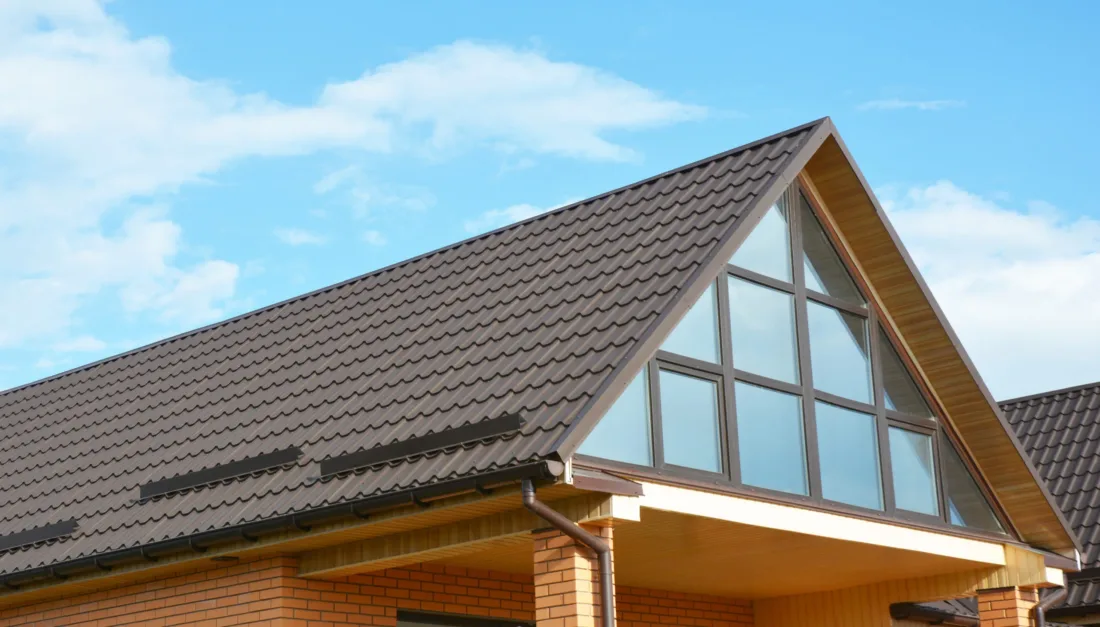
Polycarbonate roofing panels are translucent or transparent plastic panels used on specific residential applications where light transmission matters: sunrooms, greenhouse structures, porch and deck coverings, pool enclosures, and similar applications.
Polycarbonate panel types.
- Multi-wall polycarbonate. Hollow multi-wall structure provides insulation properties along with light transmission. Common on sunrooms and greenhouses.
- Solid polycarbonate sheet. Single-thickness clear or tinted polycarbonate, common on porch coverings and pool enclosures.
- Corrugated polycarbonate. Corrugated profile for structural strength, often used on pergolas and outdoor coverings.
Properties and limitations.
Polycarbonate is impact-resistant (substantially better than glass), lightweight, and offers various levels of light transmission and tinting. UV exposure does affect polycarbonate over time, quality panels include UV protection layers that extend service life. Service life on quality polycarbonate is typically 10-20 years, less than primary roofing materials.
Typical applications.
These panels work well on covered patios, sunrooms attached to homes, pool enclosures, and similar applications. They’re rarely appropriate for primary residential roofing. They’re a specialty product for specific use cases where light transmission is the priority.
Green (Vegetative) Roof Systems
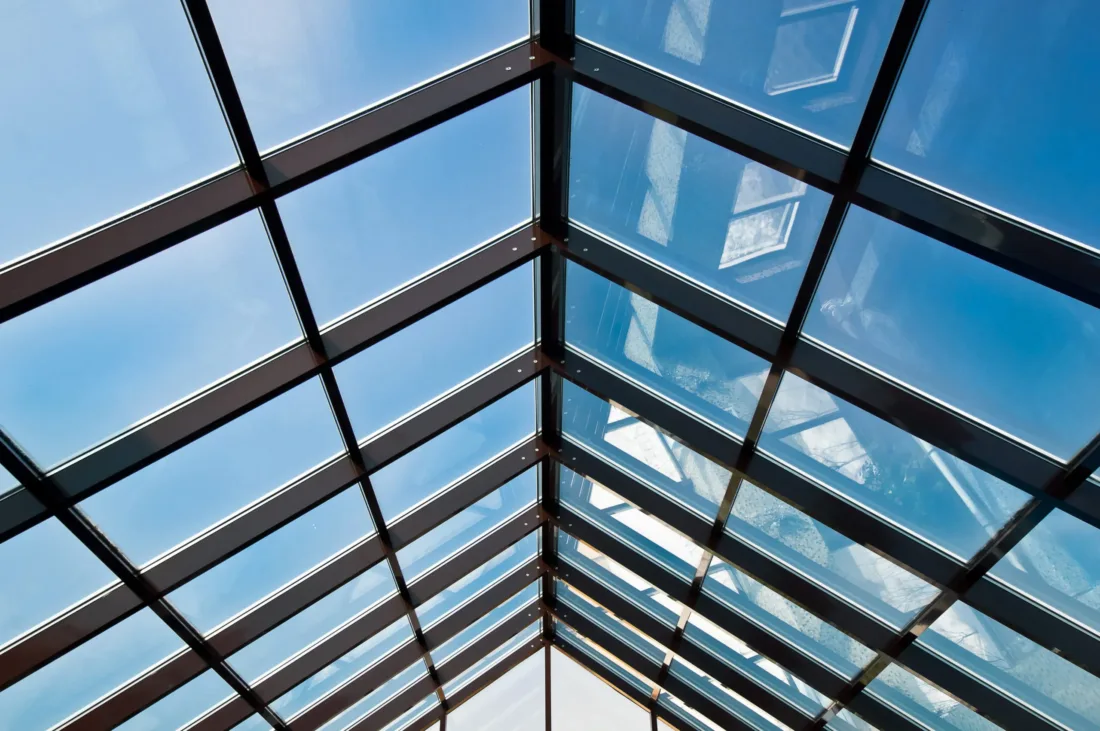
Green roofs, also called vegetative or living roofs, are roof systems with layers of growing medium and plants installed over a waterproofing membrane. Common in commercial sustainable architecture and select residential applications, green roofs are unusual in Colorado residential settings but appropriate on specific projects.
Two main types.
- Extensive green roofs. Shallow growing medium (3-6 inches typically), drought-tolerant plants (sedums, native grasses), minimal maintenance. Lower weight load than intensive.
- Intensive green roofs. Deeper growing medium, broader range of plant choices including small trees and shrubs, more maintenance, higher weight load. Often supports walkable garden space.
Considerations for Colorado specifically.
Green roof considerations specific to Colorado:
- Climate fit. Colorado’s climate (semi-arid, dramatic temperature swings, intense sun) favors specific drought-tolerant plant selections rather than the moisture-loving plants that define green roofs in other climates.
- Structural requirements. Green roofs add substantial weight loads, typically 15-30 pounds per square foot for extensive systems, more for intensive. Most homes require structural review and often reinforcement.
- Waterproofing complexity. The membrane underneath the growing medium must be perfect, leak repair after green roof installation is dramatically more involved than on conventional roofs.
- Maintenance commitment. Green roofs require ongoing horticultural maintenance, which has to be factored into the long-term cost of ownership.
- Limited residential application. Most green roof installations are commercial or institutional. Residential green roofs are appropriate on specific custom homes designed with green roof integration from the architectural concept.
Realistic positioning.
Green roofs are a specialty product, not a typical residential application. We can support residential green roof projects in coordination with landscape architects and structural engineers, but for most homeowners. This isn’t the relevant category. We mention it here for completeness and for the specific projects where it’s the right answer.
Other Specialty Considerations
Roofing Accessories Worth Mentioning
Beyond the main roofing material, several accessory products affect overall roof performance and are sometimes specified as separate decisions:
- Synthetic underlayment. Modern synthetic underlayments outperform traditional asphalt felt on durability, weather resistance during installation, and tear strength. We specify synthetic underlayment as standard on most installations.
- Ice-and-water shield. Self-adhered membrane installed at eaves, valleys, around penetrations, and other vulnerable areas. Code requires it in some configurations; manufacturer warranties often require broader coverage.
- Ridge ventilation. Continuous ridge vents balanced with soffit intake provide attic ventilation that extends shingle life and prevents moisture problems.
- Skylights and solar tubes. Specialty roof penetrations that bring natural light. Velux is the dominant manufacturer in this category.
- Snow guards and snow retention. On metal roofs and certain other applications, snow management hardware that prevents dangerous snow releases.
Roof Coatings on Residential Applications
Roof coatings, silicone, acrylic, and similar elastomeric coatings, are primarily a commercial roofing application, but specific residential use cases exist. They can be applied to residential low-slope membrane roofs to extend service life, to certain metal residential roofs for waterproofing and color, and to mobile home roofs as a standard maintenance approach.
Tile and Slate Underlayment
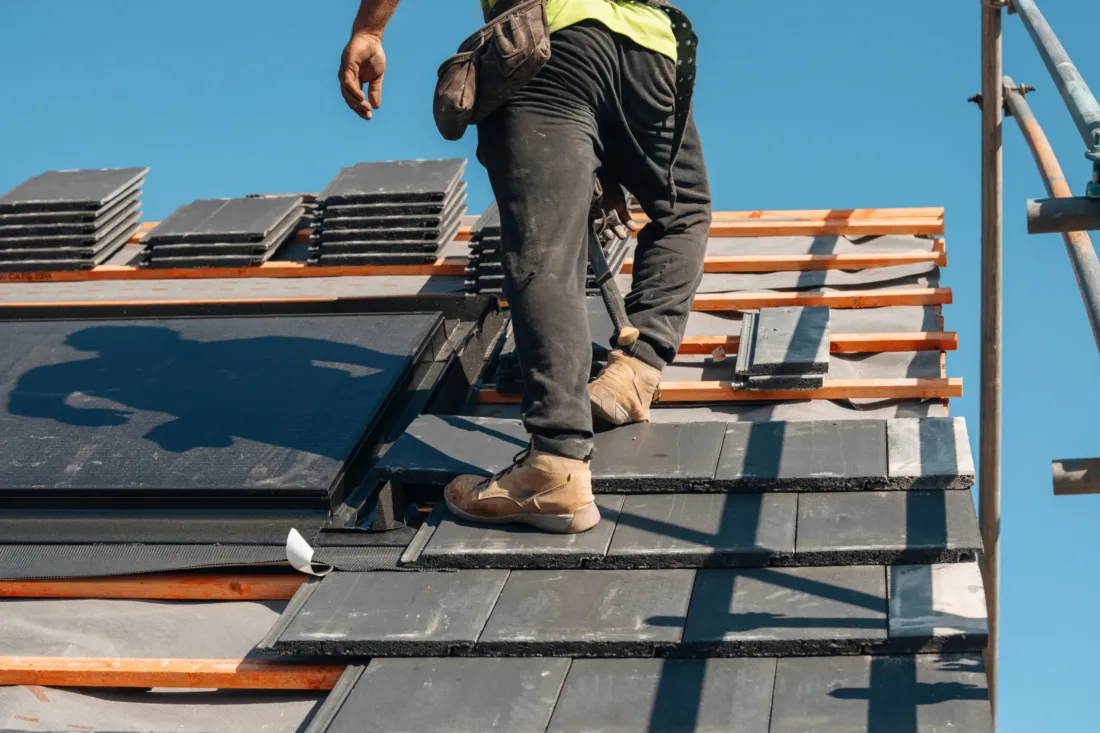
Natural tile and slate installations require specific underlayment systems, typically high-temperature ice-and-water shield combined with synthetic underlayment, or specialty tile underlayments designed for the application. Generic underlayment under heavy tile or slate doesn’t deliver the manufacturer-required performance.
How We Approach Specialty Residential Projects
Specialty residential projects benefit from a contractor who can navigate the trade-offs honestly and specify the right material for the actual situation.
We discuss the alternatives.
On any specialty project, we typically discuss whether a more standard material would actually serve the home better. Cedar shake versus composite shake. Tesla Solar Roof versus traditional solar on a Class 4 roof. Green roof versus more practical sustainable approaches. The honest comparison often saves homeowners from costly choices that don’t fit their specific situation.
We coordinate with other trades when needed.
Solar shingle projects involve electrical work. Green roofs involve landscape architecture and structural engineering. Polycarbonate sunroom projects involve framing and glazing trades. We coordinate with the relevant trades on integrated projects.
We’re honest about our scope.
Some specialty projects are outside our core scope, extremely specialized applications, unusual structural requirements, or projects with specific manufacturer relationships we don’t hold. When we’re not the right contractor for a specialty project. We’ll say so and recommend who is.
Frequently Asked Questions: Specialty Residential Roofing
-
Can I install cedar shake on my Colorado mountain home?
It depends on local fire code. Many Colorado WUI fire jurisdictions now restrict or prohibit cedar shake on new construction and replacements due to wildfire risk. Check your specific jurisdiction’s requirements before specifying. Where cedar isn’t allowed, composite shake products provide the aesthetic with Class A fire resistance.
-
Should I get Tesla Solar Roof or traditional solar?
For most Colorado homeowners, traditional rooftop solar on a Class 4 impact-resistant roof produces better economics than Tesla Solar Roof or other solar shingle systems. The cost premium for solar shingles is substantial, and traditional solar performance per square foot is typically higher. Tesla Solar Roof makes sense when aesthetic concerns about visible panels outweigh economic considerations. We can discuss the trade-offs based on your specific situation.
-
Can I put a flat roof system on a Colorado residential addition?
Yes, this is a common application. TPO and EPDM membrane systems are both appropriate for residential additions and low-slope sections integrated with otherwise pitched roofs. Detail work at transitions matters, proper integration between the flat and pitched portions is critical to long-term performance.
-
Are green roofs practical in Colorado’s climate?
They’re possible but uncommon. Colorado’s semi-arid climate, intense UV, and dramatic temperature swings limit the plant palette considerably. Most residential green roofs in Colorado use drought-tolerant native plants in extensive (shallow) systems. Structural requirements and ongoing maintenance commitments mean green roofs are appropriate on specific custom projects rather than as a standard residential option.
-
How long does cedar shake last in Colorado?
Well-maintained cedar shake in Colorado typically lasts 20-30 years. Service life depends substantially on maintenance, periodic cleaning, fungicide treatment, and re-staining. Without maintenance, service life is shorter. Hail damage during the service life can also affect longevity.
-
Can polycarbonate panels handle Colorado hail?
Polycarbonate is more impact-resistant than glass and handles typical hail reasonably well, but severe hail can damage it, particularly aged polycarbonate where UV exposure has reduced impact resistance. For sunroom and porch applications, polycarbonate’s combination of light transmission and impact resistance is generally appropriate.
-
What if my project doesn’t fit any of these categories?
Some residential roofing projects involve unusual materials, specialty manufacturers, historic preservation requirements, or specific technical requirements that don’t fit standard categories. Talk to us about your specific project. We’ll discuss what we can do, what specialty contractors might be appropriate, and how to think about the trade-offs. Honest scope conversations save time and money on specialty projects.
Get a Specialty Roof Estimate in Colorado
Whether you’re considering cedar on a property where it’s still allowed, planning a low-slope addition, evaluating photovoltaic solar shingles, or working on a specialty residential project that doesn’t fit standard categories, Baseline Roofing and Solar can discuss the options and specify the right approach. We’ll tell you straight what fits your project, including when a more standard material would actually serve you better than the specialty option.
-
More Other Residential Roofing Products Locations +
- Other Residential Roofing Products in Colorado
- Other Residential Roofing Products in Arvada, CO
- Other Residential Roofing Products in Aurora, CO
- Other Residential Roofing Products in Berthoud, CO
- Other Residential Roofing Products in Boulder, CO
- Other Residential Roofing Products in Brighton, CO
- Other Residential Roofing Products in Broomfield, CO
- Other Residential Roofing Products in Castle Pines, CO
- Other Residential Roofing Products in Castle Rock, CO
- Other Residential Roofing Products in Centennial, CO
- Other Residential Roofing Products in Cherry Creek, CO
- Other Residential Roofing Products in Cherry Hills Village, CO
- Other Residential Roofing Products in Colorado Springs, CO
- Other Residential Roofing Products in Commerce City, CO
- Other Residential Roofing Products in Englewood, CO
- Other Residential Roofing Products in Erie, CO
- Other Residential Roofing Products in Firestone, CO
- Other Residential Roofing Products in Fort Collins, CO
- Other Residential Roofing Products in Frederick, CO
- Other Residential Roofing Products in Golden, CO
- Other Residential Roofing Products in Greeley, CO
- Other Residential Roofing Products in Greenwood Village, CO
- Other Residential Roofing Products in Gunbarrel, CO
- Other Residential Roofing Products in Highlands Ranch, CO
- Other Residential Roofing Products in Lafayette, CO
- Other Residential Roofing Products in Lakewood, CO
- Other Residential Roofing Products in Littleton, CO
- Other Residential Roofing Products in Lone Tree, CO
- Other Residential Roofing Products in Longmont, CO
- Other Residential Roofing Products in Louisville, CO
- Other Residential Roofing Products in Loveland, CO
- Other Residential Roofing Products in Mead, CO
- Other Residential Roofing Products in Niwot, CO
- Other Residential Roofing Products in Northglenn, CO
- Other Residential Roofing Products in Parker, CO
- Other Residential Roofing Products in Superior, CO
- Other Residential Roofing Products in Thornton, CO
- Other Residential Roofing Products in Westminster, CO
- Other Residential Roofing Products in Wheat Ridge, CO
- Other Residential Roofing Products in Windsor, CO