Hail Storm Roof Insurance Claims in Broomfield, CO
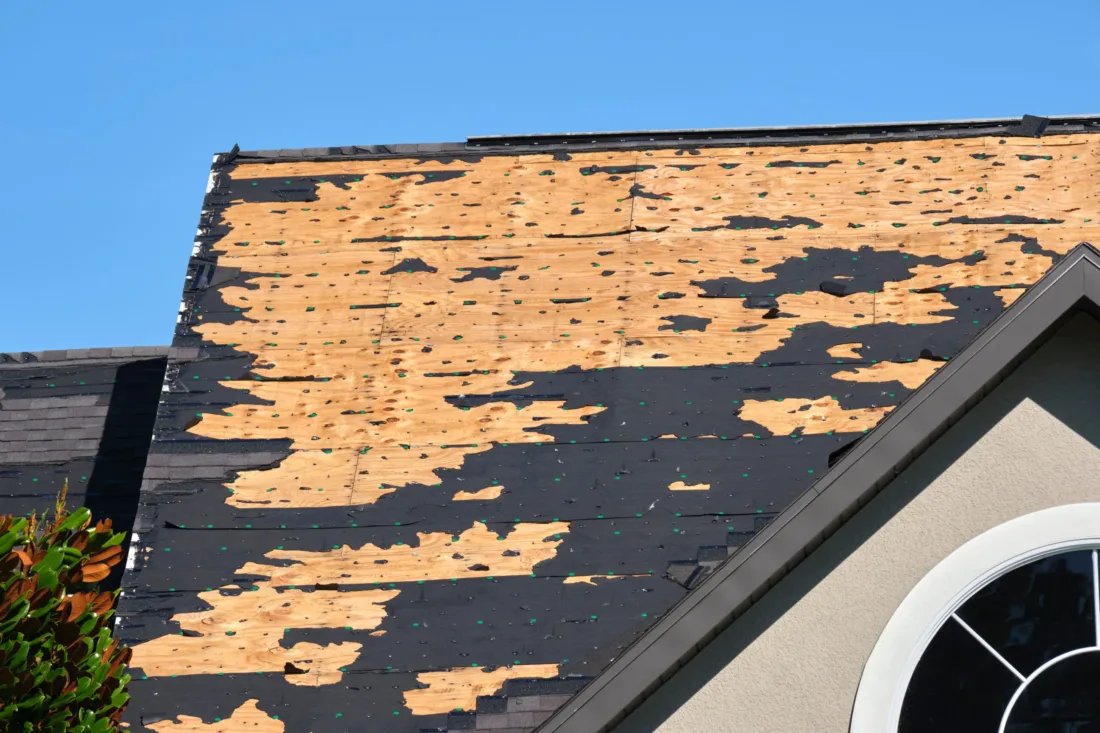
Most residential roof replacements in Broomfield, CO are storm-driven, funded by homeowner insurance after hail or wind damage. Broomfield, CO’s place in Colorado’s hail belt means storm and hail damage roof insurance claims are the dominant pathway through which residential roofs get replaced in this market, and most homeowners will navigate at least one (often more than one) such claim during their tenure in the home. Done well, the storm-claim process delivers a fully-funded replacement at the cost of your deductible and any homeowner-elected upgrades. Done poorly, through bad contractor choices, missed deadlines, or scope problems, the same process can leave homeowners with reduced settlements, voided warranties, and ongoing problems that follow the property for years.
Baseline Roofing and Solar supports residential storm and hail damage insurance claims across Broomfield, CO and surrounding Colorado communities. Within Colorado contractor and insurance law (specifically SB 12-038 / C.R.S. § 6-22-101 et seq.), we document storm damage thoroughly, write manufacturer-spec replacement scopes, coordinate with insurance adjusters during inspections, and submit supplements as discovered damage justifies. We do not negotiate claims. That’s not legal for contractors in Colorado. We do not waive deductibles, illegal, and a sign of an unethical contractor when offered. We do not promise specific claim outcomes. What we do is the documentation, scope, and workmanship that make a successful claim and successful project.
This page covers the storm-specific claim landscape in Broomfield, CO, the timeline you should expect from event to settlement, what Baseline does (and doesn’t do) within your storm claim, the storm-specific scope items insurance carriers often miss, the storm-chaser warnings critical at every stage of the claim, and when a licensed public adjuster might be the right professional to bring in for negotiation that contractors are not legally allowed to perform.

The Storm Claim Landscape in Broomfield, CO
Understanding the broader context of storm-driven claims across Colorado helps homeowners navigate their own claim more effectively.
Hail is the dominant claim driver.
Broomfield, CO and the surrounding Colorado region generate more residential hail damage insurance claims per capita than almost any other major US market. Broomfield, CO and the surrounding area sit in the heart of Colorado’s hail belt, the corridor running roughly from Texas through Wyoming where the largest and most damaging hailstorms regularly occur. For most Broomfield, CO homeowners, the question isn’t whether you’ll file a hail claim during your time in the home. It’s how many.
Major storm events generate claim chaos.
After a major storm event in the area, thousands of claims can be filed simultaneously. Insurance carriers deploy additional adjusters, schedules tighten, and the contractor market floods with both legitimate local operators handling demand and out-of-state storm chasers competing for the work. The chaos creates pressure on every part of the process, pressure that storm chasers specifically exploit.
Insurance carriers track Broomfield, CO storm activity closely.
Major insurance carriers maintain detailed records of historical Broomfield, CO storm events, hail intensity, wind speeds, and damage patterns. When you file a claim, the carrier likely already has data on whether a damaging event occurred at your address, and the strength of your claim documentation against that data affects the outcome.
Cosmetic damage exclusions on metal roofs.
Some Colorado homeowner policies have specific exclusions for cosmetic damage on metal roofs, meaning hail dents that don’t affect the roof’s function may not be covered. If you have a metal roof, check your policy carefully for this exclusion before counting on a hail claim.
Premium increases after claims.
Filing claims typically affects your premium, sometimes substantially. Some policies have provisions for non-renewal after multiple claims in a defined period. The decision to file isn’t always automatic, small-scope damage with a high deductible may not justify the premium impact. Talk to your broker about the implications for your specific policy.
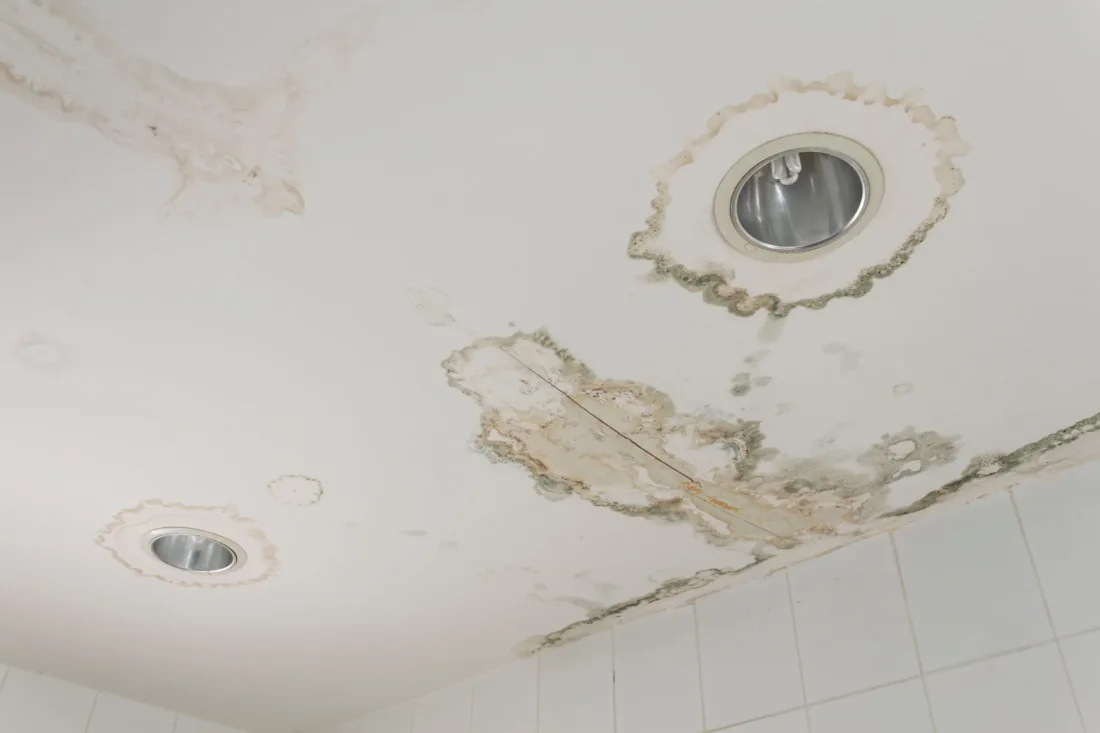
The Storm Claim Timeline: From Event to Settlement
Storm-driven claims follow a fairly consistent timeline, though specific durations vary by carrier, claim complexity, and the volume of claims being processed simultaneously after major events.
- Storm event. Hail or wind event causes roof damage. The clock starts on policy notification deadlines (typically a year or less, depending on policy).
- Damage discovery (Day 0 to Day 14). Homeowner notices damage, visible from the ground, water leaks, debris in yard, or learns of damage in the area through neighbors and storm reports.
- Initial contractor inspection (Day 1 to Day 30). A qualified local contractor inspects the roof, identifies storm damage, documents findings, and provides assessment of whether claim is warranted.
- Claim filing (Day 1 to Day 30). Homeowner contacts insurance carrier or broker to open a claim. Carrier assigns claim number and adjuster.
- Adjuster scheduling (Day 7 to Day 60). Carrier’s adjuster schedules an inspection. After major storm events, scheduling can take longer due to claim volume.
- Adjuster inspection (Day 14 to Day 90). Adjuster inspects the roof. Contractor coordinates to be on-site when possible to walk the roof together.
- Carrier estimate (Day 14 to Day 60 after adjuster inspection). Carrier produces written estimate based on adjuster findings.
- Scope review by contractor. Contractor compares carrier estimate to manufacturer-spec replacement scope. Identifies any missing items or undervalued line items.
- Supplements (where appropriate). Contractor documents and submits supplemental items through the carrier’s process. Approval timeline varies.
- ACV payment (around final scope agreement). On RCV policies, carrier issues Actual Cash Value payment up front, with depreciation held back pending work completion.
- Project execution (typically 1 to 3 days on site). Contractor completes the replacement to manufacturer specification.
- Final documentation (within 30 days after completion). Contractor submits final invoices, certificate of completion, and warranty documentation to carrier.
- Depreciation release (1 to 6 weeks after final docs). On RCV policies, carrier releases the depreciation portion of the claim. ACV policies don’t have this stage.
- Deductible payment. Homeowner pays the policy deductible, never waived by a legitimate Colorado contractor.
Total elapsed time from storm event to fully-paid settlement is typically two to four months on straightforward claims, longer on complex ones or after major storm events when carrier capacity is strained.

What Baseline Does in Your Storm Claim: Within Colorado Law
Colorado law establishes specific limits on what roofing contractors can do in residential insurance work. We comply with those limits, and the things we do within them genuinely support a successful claim.
We document storm damage thoroughly.
Photos with proper documentation, measurements of damage, notes on damage patterns, identification of related issues, references to the specific storm event(s) being claimed. Strong damage documentation is the foundation of every successful storm claim, and our documentation is in the format adjusters expect to see, not casual photos that won’t support the claim.
We write a manufacturer-spec storm replacement scope.
A complete written scope identifies the manufacturer, product, accessories, underlayment, ice-and-water shield, ventilation, flashings, code-required items, and other elements required for a properly installed replacement roof. The scope is what we propose to install, what the carrier evaluates, and what the manufacturer warranty requires.
We coordinate with adjusters on-site.
When possible, we coordinate to be on-site during the adjuster’s inspection. We walk the roof with the adjuster, point out damage we’ve documented, discuss the scope of work, and ensure the adjuster has what they need to write an accurate estimate. This isn’t claim negotiation. It’s coordination on the work itself.
We document supplemental damage as discovered.
Some storm damage isn’t fully visible until tear-off begins. Rotted decking, additional water damage, code-required upgrades that weren’t initially identified, these get documented as discovered, with photos and detailed notes, and submitted to the carrier as supplements through the proper process. Properly documented supplements are routinely approved.
We comply with Colorado-required contract language.
Colorado law requires specific language in residential roofing contracts on insurance work, including notice of right to rescind, deductible-payment language, and other provisions. Our contracts comply with these requirements as standard.
We provide all final claim documentation.
Final invoices, certificate of completion, manufacturer warranty registrations, and any other documentation the carrier requires to release final payment. Strong documentation throughout the project supports the claim end-to-end.
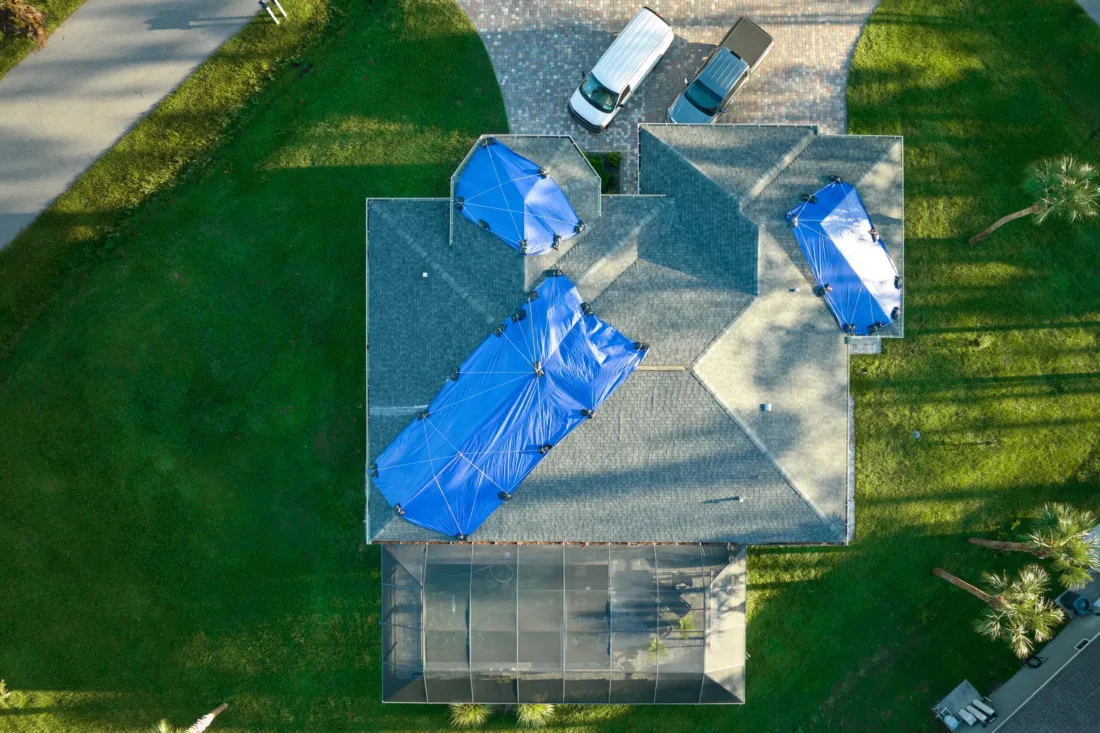
What We Don’t Do: and Why That Matters
We don’t negotiate insurance claims.
Under Colorado law, roofing contractors are not licensed to negotiate insurance claims on the homeowner’s behalf. We can document, scope, and coordinate, but the claim itself is between you and your carrier. Anyone offering to “fight your insurance company” or “handle your claim” as a contractor is operating outside Colorado law. If you need actual claim negotiation (and sometimes that’s the right call on a contested claim), the licensed professional for that role is a public adjuster, and we’ll discuss that option below.
We don’t waive or rebate insurance deductibles.
Waiving an insurance deductible is illegal in Colorado, and it can constitute insurance fraud. Any contractor offering to waive your deductible is asking you to participate in an illegal scheme, and ethical contractors don’t make that offer. The deductible is your responsibility to pay; legitimate contractors don’t promise otherwise.
We don’t promise specific claim outcomes.
No contractor can legitimately promise that your claim will be approved at a specific dollar amount or with a specific scope. The carrier makes those decisions based on your policy and the documented damage. Anyone promising specific outcomes is selling you certainty they cannot legally deliver.
We don’t ask for Assignment of Benefits forms in panic.
Assignment of Benefits (AOB) forms transfer your rights to insurance proceeds to the contractor. They have legitimate uses in some specific situations but are often misused to take control of your claim. We don’t pressure homeowners into signing AOB forms, particularly not in the rush of post-storm response when judgment is impaired by stress.
We don’t inflate scopes to cover deductibles.
Some contractors inflate their proposal scope to cover the homeowner’s deductible, billing the carrier for work that isn’t actually being done, then “forgiving” the deductible amount. This is insurance fraud and can result in criminal charges for both contractor and homeowner. We don’t operate that way. And we recommend you walk away from any contractor who proposes it.
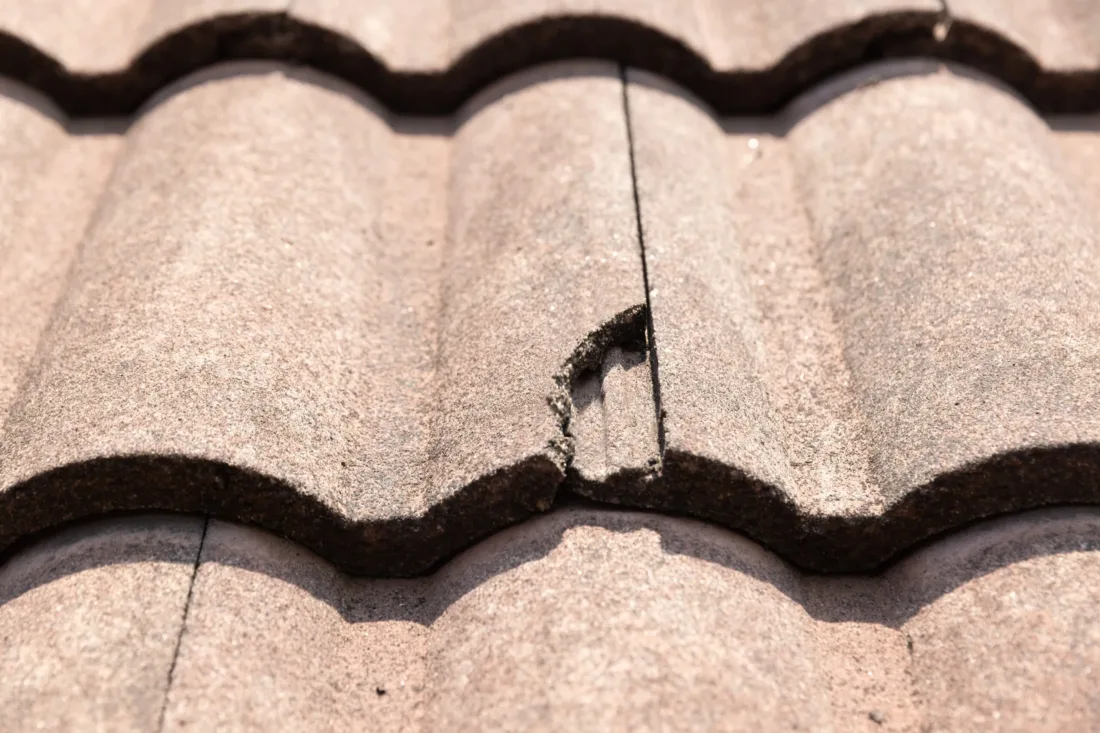
Storm-Specific Scope Items Often Missed
Insurance carrier estimates after major storm events sometimes miss legitimate scope items because adjusters are inspecting dozens of roofs per week and details slip through. Strong contractor scope review identifies these items and submits supplements where warranted.
Code-required upgrades.
Many Colorado jurisdictions have code requirements for replacements that didn’t apply to the original roof, additional ice-and-water shield, ridge ventilation requirements, drip edge specifications, fastener pattern minimums. Most homeowner policies cover code-required upgrades through Building Code/Ordinance and Law coverage, but only if the contractor identifies them and writes them into the scope.
Underlayment specification.
Carrier estimates sometimes default to the cheapest underlayment option even when manufacturer warranty requirements specify more durable products. We document manufacturer-required underlayment and submit accordingly.
Ice-and-water shield coverage.
Code may require ice-and-water shield only at eaves, but proper installation extends coverage to valleys, around penetrations, around chimneys, and at other vulnerable areas. Manufacturer warranties often require this broader coverage. Carrier estimates sometimes match minimum code rather than manufacturer specification.
Ventilation upgrades.
If the existing roof had inadequate or unbalanced attic ventilation that contributed to damage, code-required ventilation upgrades during replacement may be covered. We document existing ventilation deficiencies and the upgrade requirements.
Soft metal accessories.
Damaged vent caps, ridge vent covers, gutter sections, downspouts, AC condenser fins, accessories adjacent to the roof are often included in the scope when documented as storm-damaged. Sometimes overlooked in initial estimates.
Matching across slopes.
Most Colorado policies have provisions about matching when the original shingle product is discontinued or unavailable. If matching is a factor, the carrier may approve broader scope to address the issue. Specific policy language varies.
Discovered damage during tear-off.
Rotted decking, water-damaged underlayment, hidden flashing failures, none of these are visible until tear-off begins. As discovered, we document them with photos and submit supplements. Properly documented supplements are routinely approved.
Detached structures and accessories.
Hail and wind events damage more than just the main roof, detached garages, sheds, fences, AC units, and other property components also take damage that may be claimable. We can document roof damage on detached structures; broader property damage may require coordination with other contractors and the homeowner directly with the carrier.
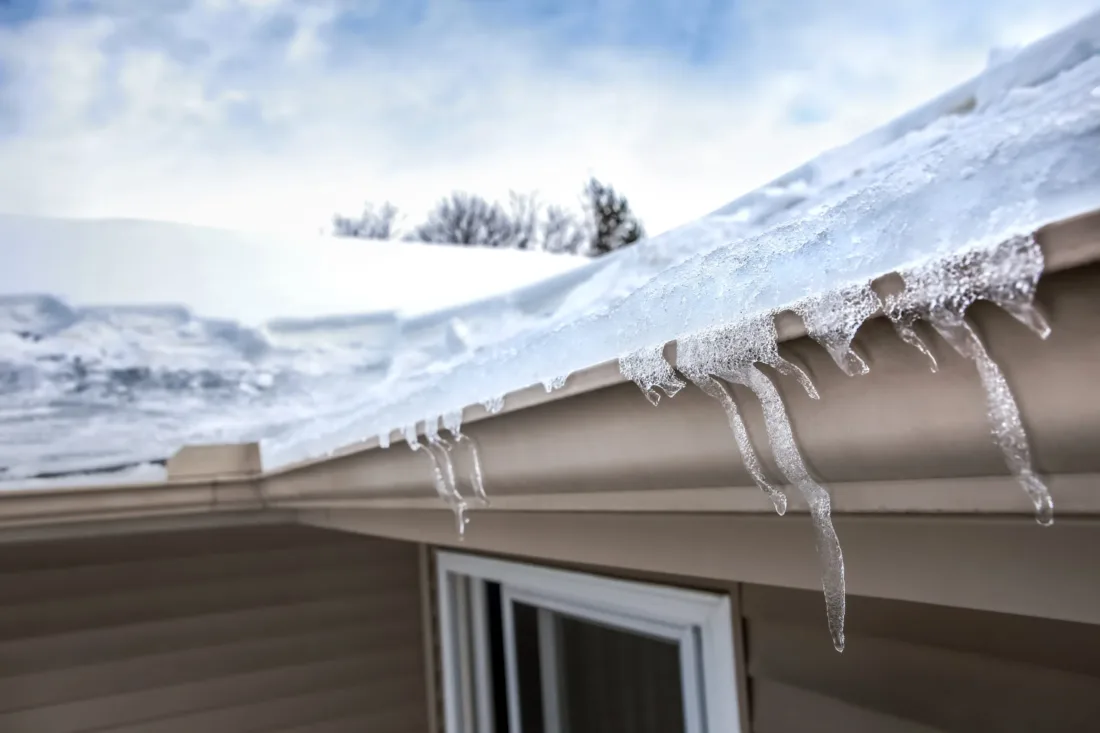
Storm Chasers and Storm-Driven Insurance Claims
Heads-up: Storm chasers exist specifically because of insurance-funded storm replacement claims. Their entire business model targets the moment when a major storm event creates simultaneous claim activity across a metro. Knowing what to watch for protects your claim and your home.
After every major Broomfield, CO storm event, hundreds of out-of-state contractors descend on the affected area within days. Some are legitimate. Many are not. The bad operators specifically target homeowners in fresh-storm states because the combination of insurance money and emotional pressure creates an opportunity to extract value through tactics that wouldn’t survive normal due diligence. The pattern is consistent across every major event: aggressive door-to-door solicitation, free inspections that always find replacement-warranting damage, pressure to sign on the spot, illegal deductible-waiver offers, AOB pressure, and follow-through quality that ranges from acceptable to genuinely bad.
Red flags specifically in storm-driven claim contexts:
- Unsolicited door-to-door arrival within hours or days of a major storm
- Out-of-state license plates and contractor information
- Free inspections that always find claim-worthy damage regardless of actual condition
- Pressure to sign before talking to your insurance carrier
- Offers to “waive your deductible”, illegal in Colorado, criminal in some cases
- Offers to inflate the claim scope to cover the deductible, insurance fraud
- Pressure to sign Assignment of Benefits (AOB) forms
- Promises of specific claim approval amounts or outcomes
- Demands for substantial deposits or full payment before insurance approval
- Recently-created websites and contractor identities that didn’t exist before the storm
What a legitimate storm-claim relationship looks like:
- Local contractor with verifiable Colorado address and history predating the storm
- Transparent about Colorado contractor law and what they can/can’t do
- Honest assessment of damage, not every roof in a storm zone has claim-worthy damage
- Willing to wait while you talk to your carrier and consider options
- Documents damage thoroughly without inflating scope
- Works with your adjuster respectfully and within the contractor role
- Compliant Colorado contracts with required language
- Clear about deductible being your responsibility, never offers to waive it

When a Public Adjuster Might Be the Right Professional
Roofing contractors in Colorado cannot legally negotiate insurance claims. Most homeowners don’t need claim negotiation, straightforward documentation, scope, and adjuster coordination are sufficient on the majority of claims. But some claim situations genuinely warrant negotiation, and in those cases the legally appropriate professional is a public adjuster, not a contractor pretending to be one.
What public adjusters actually are.
Public adjusters are licensed insurance professionals who work for the policyholder (you), not the insurance company. They are licensed by the state, regulated by the Colorado Division of Insurance, and legally allowed to negotiate insurance claims on the homeowner’s behalf, which contractors are not. They typically charge a percentage of the claim recovery, with rates generally ranging from 5% to 15% depending on claim complexity.
When a public adjuster might be appropriate:
- Your claim was denied and you believe the denial isn’t justified by your policy
- The carrier’s settlement is significantly below what the documented damage supports
- The carrier has substantially undervalued the scope despite proper contractor documentation
- Multiple supplements have been submitted and rejected without justification
- The claim involves complex policy interpretation issues beyond straightforward scope
- You’ve been unable to make progress through standard carrier channels
When a public adjuster is probably not needed:
- The carrier and contractor scope substantially agree, with a manageable supplement process
- The claim is straightforward and on track through normal carrier processing
- The cost of the public adjuster’s percentage exceeds the additional recovery they could realistically obtain
If your storm claim hits a wall that contractor documentation and supplements can’t resolve, a public adjuster is the legally appropriate next step. We can work with public adjusters on contracted projects. And we can recommend public adjusters in your area if your claim has reached the point where one would be appropriate.
Frequently Asked Questions: Storm Insurance Claims in Broomfield, CO
-
How long do I have to file a claim after a storm?
Most homeowner policies have specific notification timelines after a covered event, often a year, sometimes shorter. Check your specific policy. Don’t wait, open the claim early in the process even if you’re still figuring out the contractor side. Letting the deadline slip can result in a denied claim regardless of damage severity.
-
Will my insurance cover hail damage on my Broomfield, CO roof?
Most homeowner insurance policies cover hail damage subject to your deductible and policy terms. Some policies have specific exclusions (cosmetic damage on metal, certain age limitations). Read your policy and talk to your broker to understand your specific coverage.
-
How much will my insurance pay for storm-driven roof replacement?
It depends on your policy (ACV vs. RCV), your deductible, your coverage limits, and the documented damage scope. RCV policies pay full replacement cost (with depreciation typically released after work is completed). ACV policies pay the depreciated value. Specific dollar amounts depend on your roof, your policy, and the documented damage. We don’t promise specific outcomes.
-
Can a roofing contractor negotiate my insurance claim?
No. Under Colorado law, roofing contractors are not licensed to negotiate insurance claims. We can document damage, write scopes, and coordinate with adjusters on the work itself, but the claim itself is between you and your carrier. If you need claim negotiation, the appropriate licensed professional is a public adjuster.
-
Should I sign an Assignment of Benefits (AOB) form for my contractor?
Be very cautious. AOB forms transfer your rights to insurance proceeds to the contractor and can take control of your claim away from you. They have legitimate uses in specific situations but are often misused, particularly by storm chasers. Don’t sign one in panic, don’t sign one without reading carefully, and talk to your insurance carrier or broker before agreeing.
-
Can I switch contractors after my insurance claim is approved?
Generally yes, your insurance carrier doesn’t dictate which contractor performs the work, and you can change contractors before the work begins. If you’ve already signed a contract with a contractor, contract terms apply (cancellation rights, deposits, etc.). Colorado has specific right-of-rescission requirements for residential roofing contracts on insurance work that may apply. Read the contract carefully and talk to your broker if you’re considering switching.
-
What if my insurance claim is denied?
Claim denials happen, sometimes legitimately (the damage isn’t covered), sometimes incorrectly (the adjuster missed damage, the scope was misunderstood, the policy was misinterpreted). The path forward is typically through your carrier’s appeal process or, on more complex situations, through a licensed public adjuster who can negotiate on your behalf. We can document damage, but the claim handling is between you and your carrier.
Get a Free Storm Damage Assessment in Broomfield, CO
If your Broomfield, CO home has potential storm damage from a recent hail or wind event and you’re navigating the insurance claim process, Baseline Roofing and Solar is ready to help. We provide thorough damage documentation, manufacturer-spec replacement scopes, and adjuster coordination, within Colorado contractor and insurance laws, and we’ll be honest about what your claim actually supports rather than promising outcomes we cannot legally deliver.
Disclaimer: This page provides general information, not legal or insurance advice. Read your specific homeowner policy carefully. Consult with your insurance broker or a licensed public adjuster for advice on your specific situation. Baseline Roofing and Solar is a roofing contractor and complies with Colorado SB 12-038 / C.R.S. § 6-22-101 et seq.
-
More Residential Storm & Hail Damage Roof Insurance Claims Locations +
- Residential Storm & Hail Damage Roof Insurance Claims in Colorado
- Residential Storm & Hail Damage Roof Insurance Claims in Arvada, CO
- Residential Storm & Hail Damage Roof Insurance Claims in Aurora, CO
- Residential Storm & Hail Damage Roof Insurance Claims in Berthoud, CO
- Residential Storm & Hail Damage Roof Insurance Claims in Boulder, CO
- Residential Storm & Hail Damage Roof Insurance Claims in Brighton, CO
- Residential Storm & Hail Damage Roof Insurance Claims in Broomfield, CO
- Residential Storm & Hail Damage Roof Insurance Claims in Castle Pines, CO
- Residential Storm & Hail Damage Roof Insurance Claims in Castle Rock, CO
- Residential Storm & Hail Damage Roof Insurance Claims in Centennial, CO
- Residential Storm & Hail Damage Roof Insurance Claims in Cherry Creek, CO
- Residential Storm & Hail Damage Roof Insurance Claims in Cherry Hills Village, CO
- Residential Storm & Hail Damage Roof Insurance Claims in Colorado Springs, CO
- Residential Storm & Hail Damage Roof Insurance Claims in Commerce City, CO
- Residential Storm & Hail Damage Roof Insurance Claims in Englewood, CO
- Residential Storm & Hail Damage Roof Insurance Claims in Erie, CO
- Residential Storm & Hail Damage Roof Insurance Claims in Firestone, CO
- Residential Storm & Hail Damage Roof Insurance Claims in Fort Collins, CO
- Residential Storm & Hail Damage Roof Insurance Claims in Frederick, CO
- Residential Storm & Hail Damage Roof Insurance Claims in Golden, CO
- Residential Storm & Hail Damage Roof Insurance Claims in Greeley, CO
- Residential Storm & Hail Damage Roof Insurance Claims in Greenwood Village, CO
- Residential Storm & Hail Damage Roof Insurance Claims in Gunbarrel, CO
- Residential Storm & Hail Damage Roof Insurance Claims in Highlands Ranch, CO
- Residential Storm & Hail Damage Roof Insurance Claims in Lafayette, CO
- Residential Storm & Hail Damage Roof Insurance Claims in Lakewood, CO
- Residential Storm & Hail Damage Roof Insurance Claims in Littleton, CO
- Residential Storm & Hail Damage Roof Insurance Claims in Lone Tree, CO
- Residential Storm & Hail Damage Roof Insurance Claims in Longmont, CO
- Residential Storm & Hail Damage Roof Insurance Claims in Louisville, CO
- Residential Storm & Hail Damage Roof Insurance Claims in Loveland, CO
- Residential Storm & Hail Damage Roof Insurance Claims in Mead, CO
- Residential Storm & Hail Damage Roof Insurance Claims in Niwot, CO
- Residential Storm & Hail Damage Roof Insurance Claims in Northglenn, CO
- Residential Storm & Hail Damage Roof Insurance Claims in Parker, CO
- Residential Storm & Hail Damage Roof Insurance Claims in Superior, CO
- Residential Storm & Hail Damage Roof Insurance Claims in Thornton, CO
- Residential Storm & Hail Damage Roof Insurance Claims in Westminster, CO
- Residential Storm & Hail Damage Roof Insurance Claims in Wheat Ridge, CO
- Residential Storm & Hail Damage Roof Insurance Claims in Windsor, CO