Composite Shingle Roofing in Arvada, CO
Composite roofing shingles are a category of synthetic roofing materials engineered to mimic the appearance of premium natural materials, slate, wood shake, even tile, at lower weight, lower cost, and better hail resistance than the materials they replicate. Composite shingles are increasingly the right choice on mid-to-upper-tier Arvada, CO homes where homeowners want the curb appeal of slate or shake without the premium cost, structural concerns, and Colorado hail vulnerability of the natural materials. Major manufacturers include DaVinci Roofscapes, Brava Roof Tile, Inspire Roofing (Westlake Royal), CertainTeed Symphony, and EcoStar, each producing engineered polymer or rubber composites with 50-year warranties, Class 4 impact ratings, and color and profile selections that go well beyond what asphalt shingles can offer.
Baseline Roofing and Solar installs composite shingle roof systems across Arvada, CO and the surrounding area, Colorado, mountain communities, and most of Colorado. We work with the major composite manufacturers, coordinate with homeowners and architects on aesthetic selections, and install to the specific manufacturer specifications that composite systems require. Composite installation involves details that asphalt installation doesn’t, different fastening, specific underlayment requirements, panel-style installation patterns on some products, and getting these right is what makes the long warranty terms real.
This page covers what composite shingles actually are, what they typically mimic and why that matters, the major manufacturer ecosystem, why composite makes sense over asphalt for some homes, why composite makes sense over the real materials it mimics, the climate fit for Arvada, CO, and how composite fits into the cost picture.
What Composite Shingles Actually Are
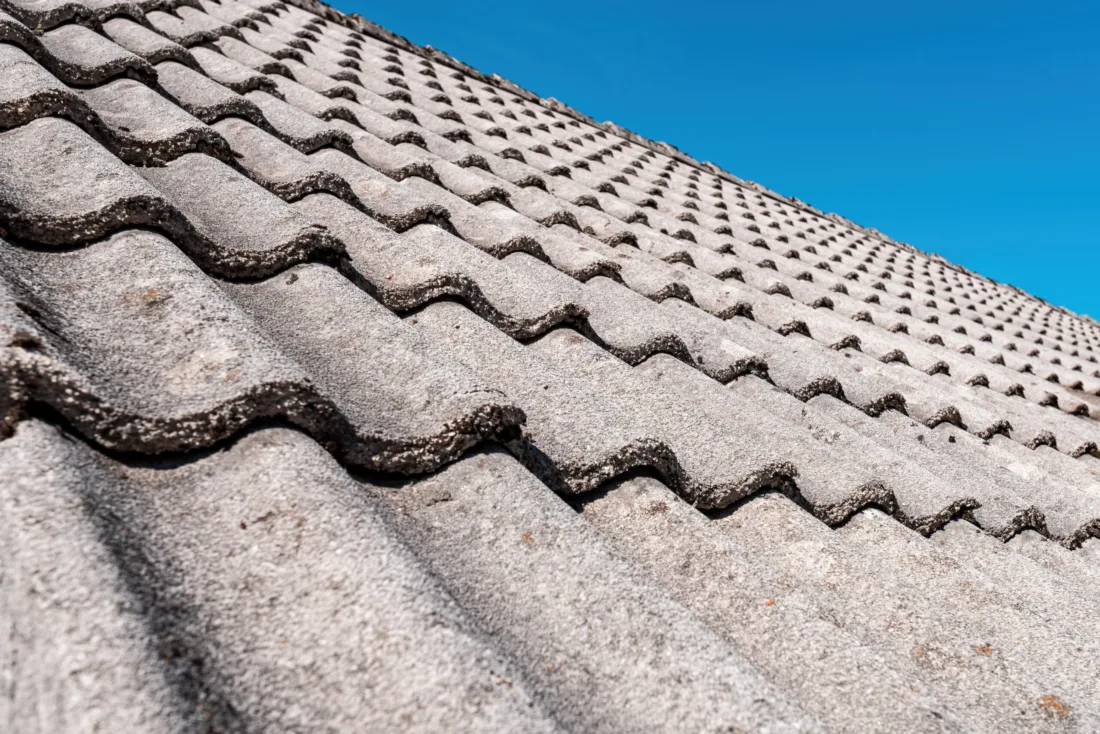
Composite shingles are engineered synthetic roofing materials manufactured from polymer compounds, rubber composites, or cellulose composites. The specific chemistry varies by manufacturer, but the category shares common characteristics: they’re designed and tested for long service life, they include UV stabilizers and weather-resistant additives, and they’re molded or pressed into shapes that mimic the appearance of natural slate, wood shake, or other premium materials.
Composite shingles are categorically different from asphalt shingles. Asphalt is a fiberglass-mat-and-asphalt material. Composite is a synthetic polymer or rubber material. They’re installed differently, perform differently in some climates, and price differently in the residential market. The line between “premium architectural asphalt that mimics shake” and “composite shake” is real, different material, different category, different page on this site.
The major composite chemistries:
- Polymer composites. Engineered plastic-based compounds with UV stabilizers, color pigments, and reinforcement. Examples: DaVinci Roofscapes (polymer slate and shake), Brava Roof Tile (polymer slate, shake, and Spanish barrel tile).
- Rubber composites. Recycled-rubber-based products that combine durability with impact absorption. Common in shake-style products. Examples: Euroshield (recycled tire rubber), Authentic Roof (rubber composite).
- Polypropylene composites. Specific polymer chemistry common in shake-mimicking products with strong impact and weathering performance. Examples: Inspire Roofing (Westlake Royal Building Products).
- Cellulose-fiber-cement composites. Less common today but historically used. Newer formulations have largely been displaced by polymer and rubber composites in the premium category.
What Composite Shingles Typically Mimic: and Why It Matters
Composite shingles are usually marketed and selected based on what they’re designed to look like. The two dominant aesthetics are synthetic slate and synthetic shake.
Synthetic Slate
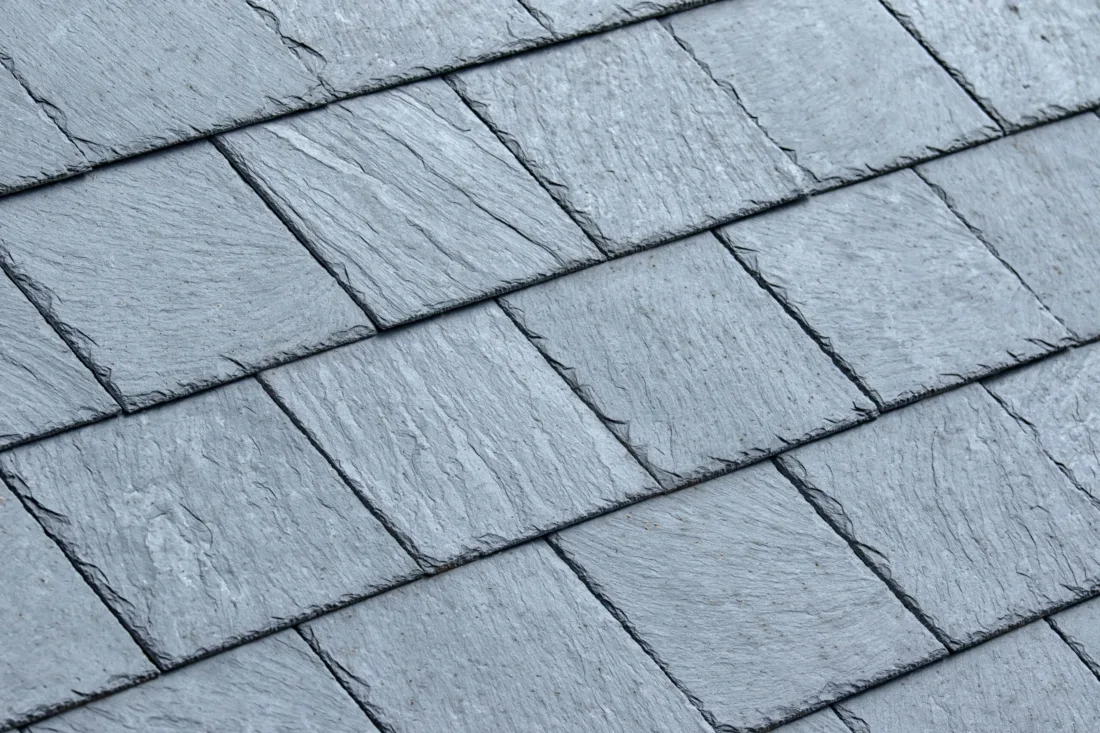
Composite slate products mimic the appearance of natural slate roofing, flat tile-like profile, often in subtle color variations within the field, premium architectural appeal that fits high-end custom homes, historic restoration projects, and architecturally specific homes. Synthetic slate offers most of the visual benefit of natural slate with three major practical advantages: dramatically lower weight (typical structural framing handles synthetic slate without modification, while natural slate often requires structural reinforcement), better impact resistance (Class 4 ratings common, while natural slate is brittle and prone to hail damage), and lower cost (still premium pricing, but typically a fraction of natural slate).
Synthetic Wood Shake
Composite shake products mimic the appearance of cedar wood shakes or shingles, irregular thickness, grain patterns, weathered appearance, the warm aesthetic that wood shake brings to homes. Synthetic shake delivers the visual appeal of cedar without three major problems: cedar shake’s vulnerability to fire (a serious concern in Colorado wildland-urban interface zones, where many jurisdictions now prohibit it), cedar’s high maintenance requirements (resealing, treating, dealing with rot and curling), and cedar’s vulnerability to hail damage.
Other Aesthetic Options
Some composite manufacturers produce products that mimic Spanish barrel tile, scalloped architectural shingles, and other specialty profiles. Brava Roof Tile in particular has a broad product range covering slate, shake, and Spanish tile aesthetics.
Major Composite Shingle Manufacturers
DaVinci Roofscapes.
Polymer-based synthetic slate and shake products with strong color selection and 50-year manufacturer warranties. Class 4 impact-resistant. Among the most-installed composite systems in the Arvada, CO market on premium residential projects. Specific products include Multi-Width Slate, Single-Width Slate, and Bellaforté Slate and Shake.
Brava Roof Tile.
Polymer composite tiles in slate, cedar shake, and Spanish barrel tile profiles. Class 4 rated. Lifetime limited warranties. Strong UV stability and color retention, with broad product range that fits diverse architectural styles.
Inspire Roofing (Westlake Royal Building Products).
Polypropylene composite shake and slate products with strong durability profile and Class 4 impact resistance. Long warranties, distinctive product lines including Aledora and Classic Shake.
CertainTeed Symphony.
CertainTeed’s slate-look composite product, leveraging their broader manufacturer network for installation support and warranty handling.
EcoStar.
Recycled-content composite slate and shake products with environmental positioning. Class 4 rated, strong UV performance.
F-Wave.
Newer market entrant with synthetic shake and slate products targeting the composite category at competitive pricing. Class 4 rated.
As with asphalt manufacturers, the right composite product depends on aesthetic preference, color matching, warranty priorities, and project context. We work with multiple composite manufacturers and specify based on what fits your home, not whichever brand has the best margin for us.
Composite vs. Asphalt: When the Upgrade Makes Sense
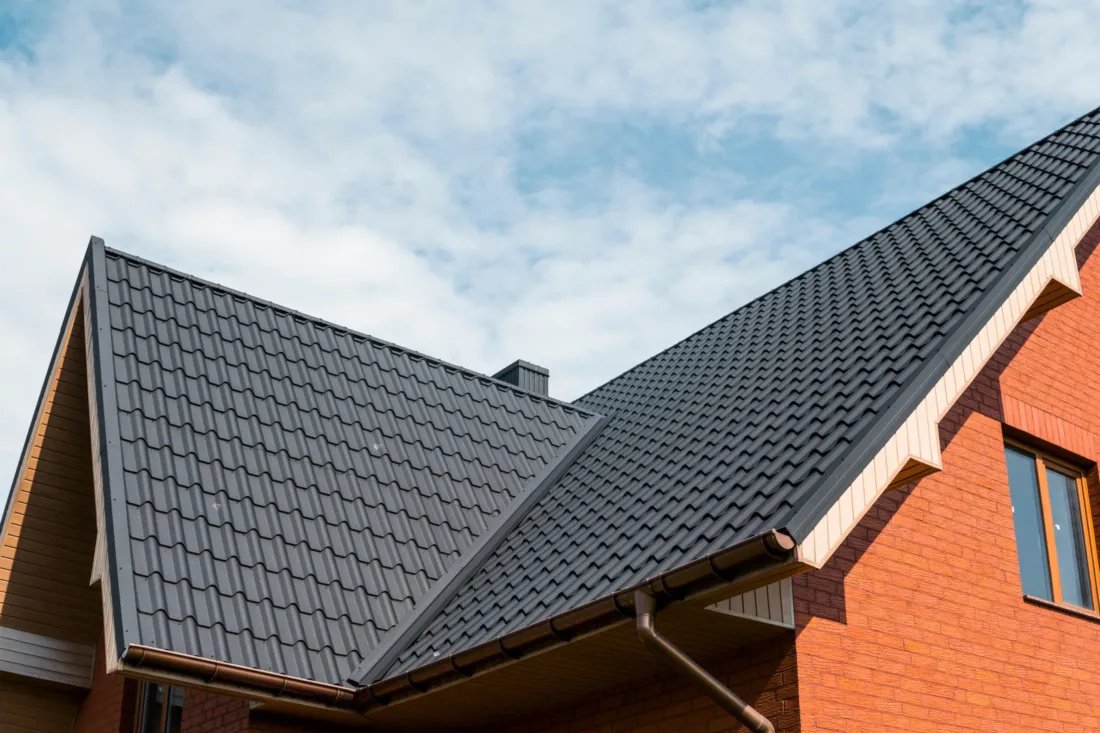
Composite shingles cost meaningfully more than asphalt, sometimes 2x to 4x the per-square cost depending on product. The upgrade is worth considering on specific homes where the additional benefits justify the premium.
Composite is worth the upgrade over asphalt when:
- The home’s architectural style benefits from premium aesthetic, slate-look on certain custom homes, shake-look on traditional or rustic styles
- Curb appeal is a meaningful factor, long-term homeownership, architecturally significant home, neighborhood that values premium materials
- Long-term ownership where the cost-per-year math benefits from a 50-year-warrantied product
- HOA or architectural review requires materials that asphalt can’t match
- Wildfire-prone foothills or mountain locations where Class A fire resistance and superior weathering matter
- Historic restoration projects where the original material was slate or shake
Asphalt remains the right call when:
- The home doesn’t have architectural reasons that benefit from composite aesthetic
- Budget constraints make composite economics difficult to justify
- Short-term ownership horizon where the cost-per-year math doesn’t pay back
- Standard architectural shingles are appropriate for the home and neighborhood
Composite vs. Real Slate or Wood Shake: Why Composite Often Wins
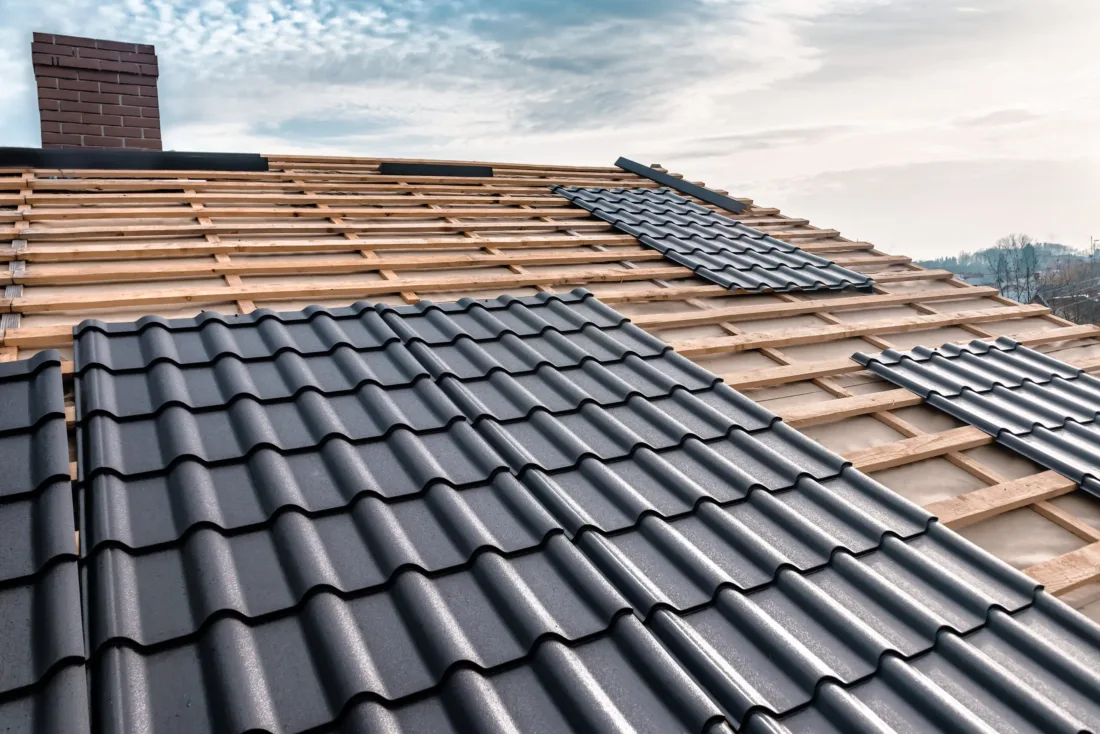
On the other side of the comparison, composite shingles often beat the real materials they mimic on practical performance and total cost of ownership.
Composite slate vs. natural slate.
Natural slate is one of the longest-lasting roof materials in existence, properly installed slate lasts 100+ years. But natural slate has three major practical problems: weight (often requires structural reinforcement of the home’s framing), brittleness (vulnerable to hail and impact damage), and cost (substantially more expensive than composite alternatives, even before structural work). Composite slate delivers the aesthetic at lower cost, lower weight, better hail performance, and reasonable service life, typically 50 years.
Composite shake vs. cedar shake.
Cedar shake has a long history but increasingly serious problems in Colorado: fire risk in wildfire-prone areas (many jurisdictions now prohibit cedar shake in WUI zones), high maintenance requirements (treatment, sealing, replacement of damaged shakes), vulnerability to hail damage, and shorter service life than composite alternatives. For homeowners who want the cedar shake aesthetic but recognize its practical problems, composite shake delivers the look without the issues.
Composite Shingles and Arvada, CO’s Climate
Hail performance: typically excellent.
Most premium composite products carry Class 4 impact ratings, providing strong hail resistance. Polymer and rubber composites in particular tend to absorb impact rather than fracture, performing well even in severe hail events. This is a major Arvada, CO-specific advantage over both natural slate (brittle) and standard asphalt.
UV at altitude: well-handled with quality products.
Premium composite manufacturers engineer UV stabilizers into their formulations. Color retention and dimensional stability over long-term Colorado UV exposure varies by product, quality matters here. Lower-tier composite products can show more color fade than premium products at altitude.
Wind: typically strong performance.
Composite installation patterns and fastening typically deliver wind ratings that match or exceed quality architectural asphalt. Specific ratings vary by product.
Temperature swings and freeze-thaw.
Polymer and rubber composites handle Arvada, CO’s thermal cycling well, they don’t have the same crack-vulnerability that brittle natural slate faces, and they don’t have the moisture absorption issues that wood shake faces. Composite is well-suited to Colorado’s climate in this respect.
Fire resistance.
Most major composite products carry Class A fire ratings, important in foothills and mountain communities with WUI fire requirements. Cedar shake is increasingly restricted; composite shake achieves the look without the fire risk.
Composite Shingle Costs in Arvada, CO
Composite shingles are premium-priced relative to asphalt. Cost depends on product, roof size and complexity, accessories, and project context.
General cost positioning.
Per square (100 square feet of roof), composite material costs typically run 2x to 4x asphalt, with installed cost premium varying based on installation complexity. On a typical Arvada, CO home, a composite roof installation can run two to three times the cost of an architectural asphalt roof, a significant premium that needs to be justified by the home’s specifics and the homeowner’s priorities.
The cost-per-year math.
Premium composites with 50-year warranties have stronger per-year cost economics than 25 to 30-year asphalt, but only if the homeowner stays in the home long enough for that math to materialize. For long-term ownership on architecturally significant homes, the per-year math often favors composite. For shorter-term ownership or standard homes, asphalt typically wins on economics.
Insurance considerations.
Composite shingles, particularly Class 4 products, may qualify for the same homeowner insurance premium discounts that Class 4 asphalt does. Specifics vary by carrier and product. We can help you discuss these considerations with your broker.
Resale and curb appeal value.
Composite roofs often improve home value and curb appeal more than asphalt roofs do, particularly on homes where the architectural style benefits from the upgrade. Whether the resale uplift justifies the cost premium depends on the home and the market.
Frequently Asked Questions: Composite Shingles in Arvada, CO
-
How long do composite shingles last?
Manufacturer warranties on premium composite products typically run 50 years, with non-prorated coverage in the early years. Real-world service life on properly installed composite is similar, typically 40 to 50+ years before replacement is needed, assuming the roof doesn’t take significant storm damage that drives earlier replacement.
-
Are composite shingles really better than asphalt for Arvada, CO?
On the right home, yes. Premium composite delivers better hail performance (Class 4 standard), longer warranties, and superior aesthetics for homes where those things matter. The cost premium is real, so the upgrade is genuinely worth considering on architecturally significant homes, long-term ownership situations, and homes where curb appeal matters. On standard homes with shorter ownership horizons, architectural asphalt often remains the better economic choice.
-
Will my insurance cover composite roof replacement?
If a covered storm event damages the existing roof, most homeowner insurance policies cover replacement subject to your policy terms. Some policies have provisions about “comparable” replacement that may affect what’s covered if you’re upgrading from asphalt to composite, specifics vary by policy. We can help document what’s covered; the actual claim handling is between you and your carrier.
-
Can composite shingles be installed over my existing asphalt roof?
In most cases, no. Composite installations typically require tear-off of the existing roof and proper substrate preparation. Manufacturer warranties usually require this. We confirm installation requirements during the inspection.
-
Are composite shingles environmentally responsible?
It depends on the product. Recycled-rubber composites (made from recycled tires, for example) have specific environmental positioning. Some polymer composites use recycled content; others don’t. Long service life (50+ years) reduces the lifecycle environmental footprint compared to shorter-lasting materials. For homeowners where environmental factors are a priority, ask about specific products’ recycled content, recyclability at end of life, and lifecycle considerations.
-
Do composite shingles look fake or convincing?
Quality varies by product. Premium composite products from major manufacturers are generally convincing at typical viewing distances, the difference between premium synthetic slate and natural slate is often hard to spot from the street. Lower-tier composite products can look obviously synthetic. We discuss aesthetic options during the proposal process so you can make an informed choice.
-
How is composite installed differently from asphalt?
Composite installation involves manufacturer-specific fastening, panel-style installation patterns (on some products), specific underlayment requirements, and detail work that differs from asphalt. Manufacturer training and certification are particularly important on composite, improper installation voids the long warranty terms that justify the premium pricing.
Get a Composite Shingle Roof Estimate in Arvada, CO
Whether you’re building a new custom home, replacing an aging slate or shake roof, or considering an upgrade from asphalt that fits your home’s architectural character, composite shingles may be the right material for your Arvada, CO home. Baseline Roofing and Solar works with the major composite manufacturers and installs these systems with the manufacturer-spec workmanship that makes the long warranties real.
-
More Composite Shingles Locations +
- Composite Shingles in Colorado
- Composite Shingles in Arvada, CO
- Composite Shingles in Aurora, CO
- Composite Shingles in Berthoud, CO
- Composite Shingles in Boulder, CO
- Composite Shingles in Brighton, CO
- Composite Shingles in Broomfield, CO
- Composite Shingles in Castle Pines, CO
- Composite Shingles in Castle Rock, CO
- Composite Shingles in Centennial, CO
- Composite Shingles in Cherry Creek, CO
- Composite Shingles in Cherry Hills Village, CO
- Composite Shingles in Colorado Springs, CO
- Composite Shingles in Commerce City, CO
- Composite Shingles in Englewood, CO
- Composite Shingles in Erie, CO
- Composite Shingles in Firestone, CO
- Composite Shingles in Fort Collins, CO
- Composite Shingles in Frederick, CO
- Composite Shingles in Golden, CO
- Composite Shingles in Greeley, CO
- Composite Shingles in Greenwood Village, CO
- Composite Shingles in Gunbarrel, CO
- Composite Shingles in Highlands Ranch, CO
- Composite Shingles in Lafayette, CO
- Composite Shingles in Lakewood, CO
- Composite Shingles in Littleton, CO
- Composite Shingles in Lone Tree, CO
- Composite Shingles in Longmont, CO
- Composite Shingles in Louisville, CO
- Composite Shingles in Loveland, CO
- Composite Shingles in Mead, CO
- Composite Shingles in Niwot, CO
- Composite Shingles in Northglenn, CO
- Composite Shingles in Parker, CO
- Composite Shingles in Superior, CO
- Composite Shingles in Thornton, CO
- Composite Shingles in Westminster, CO
- Composite Shingles in Wheat Ridge, CO
- Composite Shingles in Windsor, CO