Solar Design & Installation in Firestone, CO
Once a homeowner has decided solar makes sense for their situation, through honest consultation that addressed roof condition, energy use, ownership horizon, and incentive landscape, the next stage is solar design and installation. This is the technical work: array layout, equipment specification, electrical design, permitting, installation, utility interconnection, and commissioning of the operating system. Done well, the design and installation phase produces a system that performs reliably for 25+ years, integrates cleanly with the roof underneath, and avoids the failure modes that cause headaches years down the road. Done poorly, the same phase produces a system that underperforms, develops issues that compound, or compromises the roof’s long-term integrity. The technical work matters more than the marketing materials suggest.
Baseline Roofing and Solar handles solar design and installation on appropriate residential projects, typically smaller-scale residential systems where roof-side coordination matters, combined roof-and-solar projects, and installations on roofs we’ve already done or are about to do. We’re not the largest solar installer in Firestone, CO and we’re not trying to be. We focus on installations where the integration of roofing and solar produces better outcomes than what pure-play solar typically delivers. For volume installations on standard configurations, larger projects, or specialty applications outside our scope. We’ll tell you and recommend appropriate alternatives.
This page covers what’s included in the design and installation phase, the major equipment decisions and how we approach them, the actual installation process from permits through commissioning, the integration with roofing-side details that protect long-term roof integrity, and the realistic timelines and expectations for residential solar projects in Firestone, CO.
The Design Phase: What Actually Happens Before Installation
Solar design is more than picking a panel count. The design phase translates the consultation findings into a specific, permittable, installable system.
Array Layout
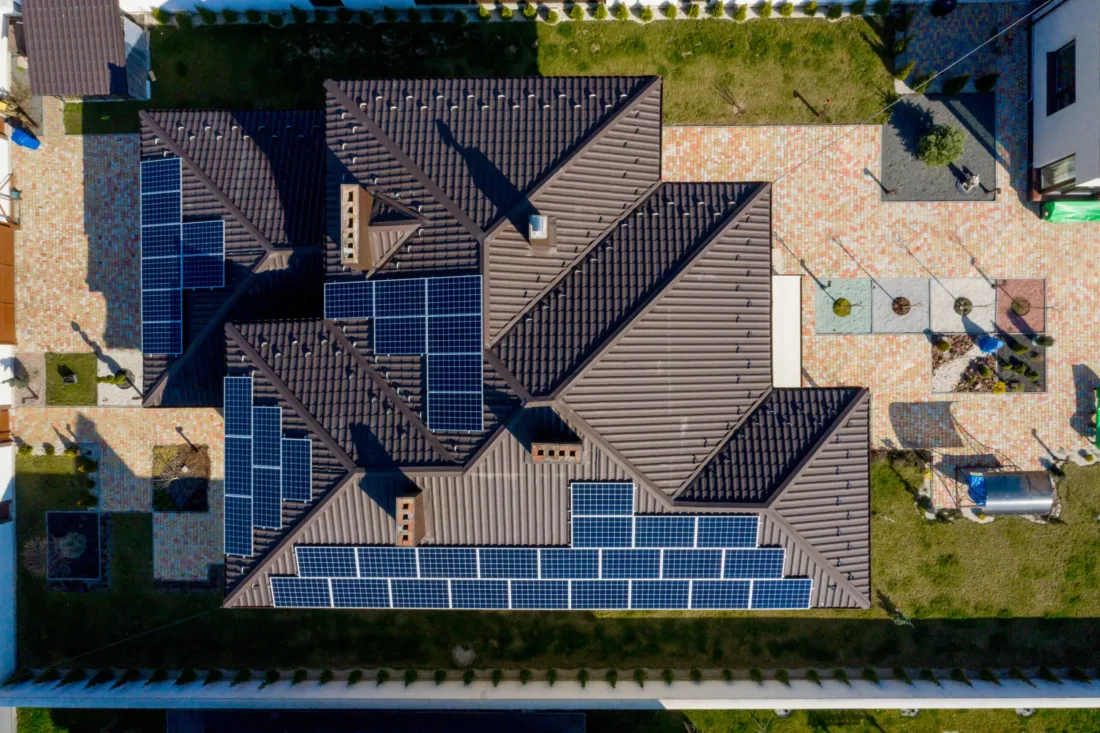
Where panels actually go on the roof. Considerations include:
- Maximum south-facing exposure with adequate spacing for service access
- Avoidance of shading from chimneys, dormers, vents, and adjacent structures
- Setback requirements from roof edges per local fire code
- Path for future detach-and-reset (typical at least once during the array’s life in Firestone, CO)
- Aesthetic considerations, symmetry, alignment with roof lines, neighborhood character
- Wind load considerations for Colorado exposure
System Sizing
How large the array should be. Based on:
- Your actual energy use from utility bills
- Net metering policy in your specific utility territory
- Roof’s available productive surface
- Budget and financing considerations
- Future use changes (electric vehicle, electrification, family changes)
The right size isn’t always the largest array the roof can hold. It’s the one that fits your actual use pattern and economic case.
Equipment Selection
Specific panels, inverters, racking, and accessory equipment. We discuss the options and trade-offs during design rather than pushing specific brands.
Electrical Design
How the array connects to your home’s electrical system. Considerations include service panel capacity (some homes need a panel upgrade for solar), connection method (line side or load side tap), wire routing, conduit placement, and rapid shutdown compliance for fire code requirements.
Engineering and Permitting
Solar installations require engineering review (typically structural and electrical) and permits from the local jurisdiction. Engineering confirms the roof can support the array, the electrical design meets code, and the system meets local requirements. Permitting timeline varies by jurisdiction.
Utility Interconnection Application
Net-metered solar requires utility approval to interconnect with the grid. The application process varies by utility (Xcel Energy, United Power, IREA, others in Firestone, CO and the surrounding area) and the timeline can be a meaningful portion of the total project timeline.
Major Equipment Decisions
Several equipment categories drive system performance and longevity. Honest framing on the choices that matter.
Panel Selection
Panel manufacturer and model.
Major residential solar panel manufacturers include LG, Panasonic, REC, Q CELLS, Hanwha, Canadian Solar, Trina Solar, Jinko Solar, and others. Differences across major manufacturers include efficiency (power per square foot), warranty terms, durability ratings, aesthetic (all-black vs. silver-frame), and pricing. We discuss the options based on what fits your specific situation.
Panel efficiency.
Higher-efficiency panels generate more power per square foot, useful when roof space is limited or when you want maximum generation from available area. Lower-efficiency panels are typically less expensive per panel. The right choice depends on roof geometry and goals.
Hail rating.
Quality residential solar panels are tested to withstand specified hail sizes (typically up to 1 inch at standard speeds). On Firestone, CO homes specifically, panel hail rating matters, Colorado hail can exceed test conditions in severe events. We discuss panel hail performance during selection.
Inverter Decision: String vs. Microinverters vs. Power Optimizers
String inverters.
Single inverter that converts DC from all panels to AC. Lower cost, fewer components on the roof, longer service life if quality models are used. Limitations: shaded panels can affect entire string performance, and the single inverter is a single point of failure.
Microinverters.
Individual inverter on each panel. Higher cost, more components, but each panel operates independently, shading on one panel doesn’t affect others. Major manufacturer is Enphase. Strong choice for partially shaded roofs.
Power optimizers + string inverter.
Hybrid approach. Optimizer on each panel for individual MPPT (maximum power point tracking), with a string inverter for DC-to-AC conversion. Major manufacturer is SolarEdge. Combines benefits of both approaches at moderate cost.
How to choose.
Roof shading patterns drive most of the decision. Unshaded south-facing roofs work well with string inverters. Roofs with partial shading benefit from microinverters or power optimizers. We discuss the trade-offs based on your specific roof geometry and goals.
Racking and Attachment Hardware
How the array attaches to the roof, and the area where roofing-contractor expertise matters most. Different racking systems use different attachment approaches:
- Penetrating attachments. Lag bolts or screws penetrate the roofing material into the underlying decking, sealed with manufacturer-approved flashing. The standard approach for asphalt shingle roofs.
- Standing seam clamps. On standing seam metal roofs, specialized clamps grip the seams without penetrating the roof. Eliminates the major potential failure point in solar installation. One of metal roofing’s significant advantages for solar.
- Tile roof attachments. Specialized hooks or replacement tile systems for tile roofs. Requires careful integration to avoid compromising the tile system.
- Adhesive systems. Less common, used in specific applications where penetrations aren’t desired. Long-term performance varies by product.
Why penetration sealing matters so much.
Each attachment penetration is a potential leak pathway. Quality flashing, proper material, manufacturer-approved sealants, attention to long-term water management, is what separates installations that perform for decades from those that develop slow leaks years later. This is where roofing-side expertise specifically earns its keep.
Battery Storage (Optional)
Energy storage systems (Tesla Powerwall, Enphase IQ Battery, others) add backup capability and time-of-use optimization. Significant cost addition (often $10,000-$20,000+ for residential systems), with economics that depend on utility rate structure and your specific energy patterns. Worth discussing during design but not always the right call.
The Installation Process
From signed contract through operating array, the installation process follows a clear sequence.
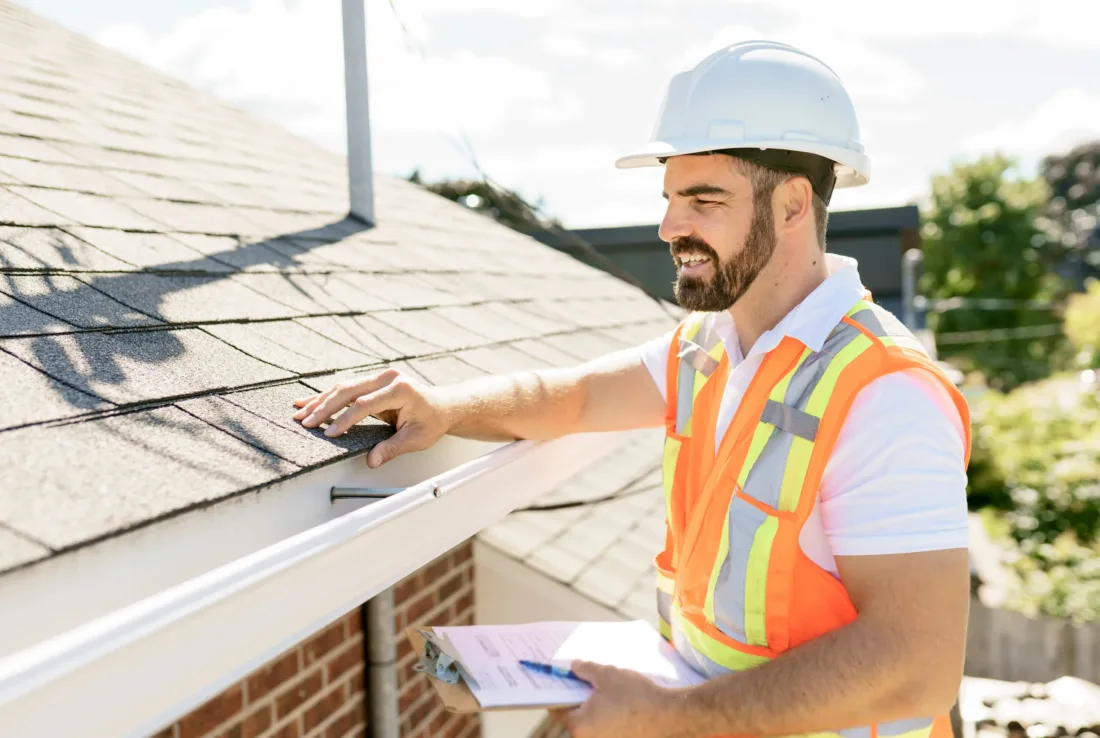
- Site survey and final design. Detailed measurements, structural verification, electrical service review, and finalization of the system design.
- Engineering and permitting. Stamped engineering documents and permit applications submitted to the local jurisdiction. Timeline varies by jurisdiction, typically 2 to 8 weeks for permit issuance.
- Utility interconnection application. Application to the utility for grid interconnection. Timeline varies by utility, typically 4 to 12 weeks for interconnection approval.
- Equipment ordering. Panels, inverters, racking, and accessory equipment ordered for the project. Equipment availability has improved substantially in recent years but specific products may have lead times.
- Roof preparation. If any roof work is part of the project (replacement, repair, prep for solar attachment), this happens first. On combined roofing-and-solar projects, the roof goes on first.
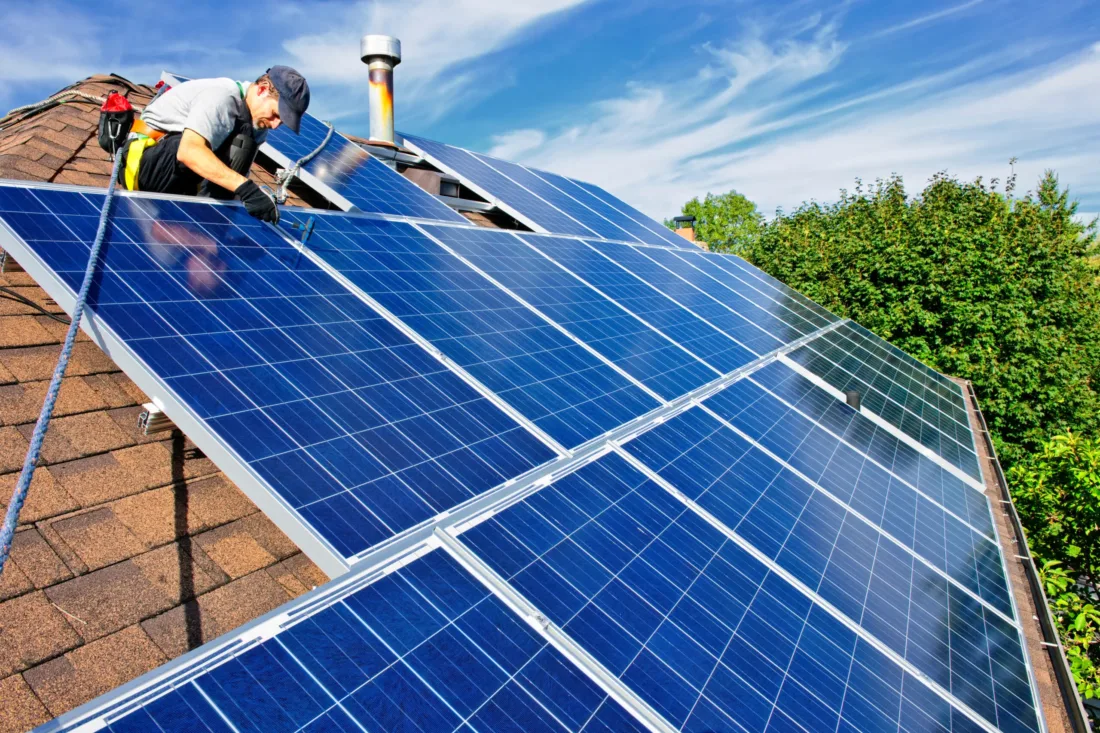
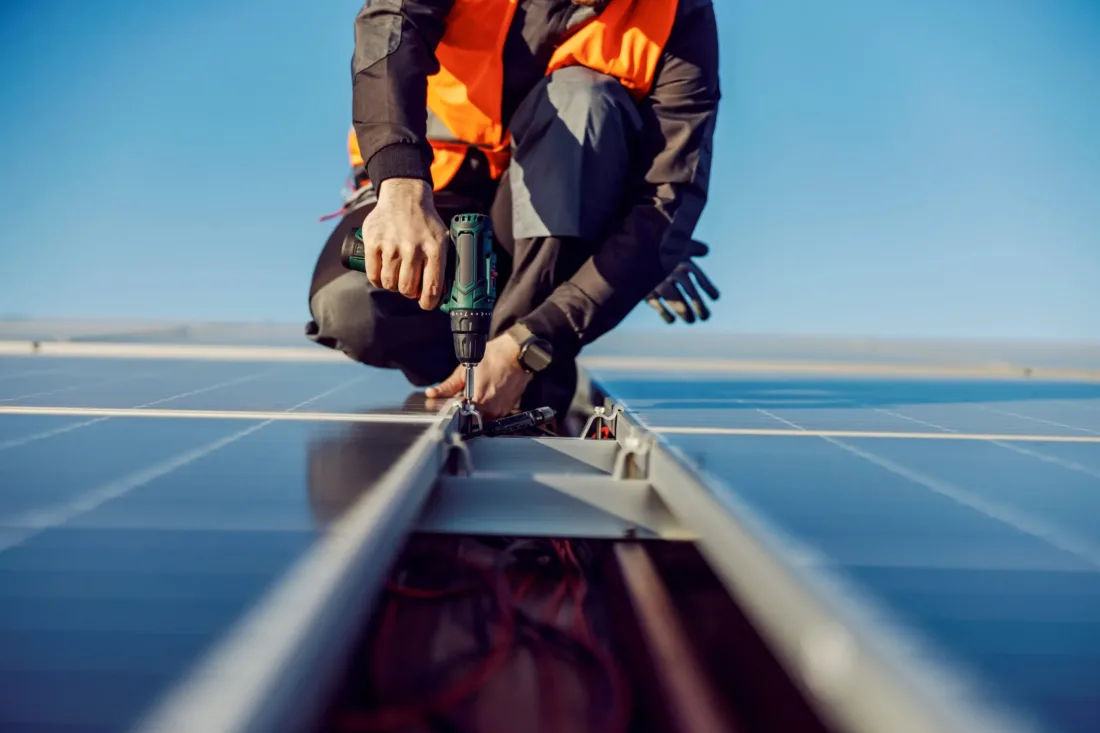
- Mechanical installation. Racking attached to the roof with proper flashing, panels mounted to racking, electrical components installed. This phase typically takes 1 to 3 days on a standard residential installation.
- Electrical installation. Wiring routed through conduit, service panel modifications if needed, inverter installation, and connection to home electrical system. Electrical inspection follows.
- Permit inspection. Local jurisdiction inspects the installation to verify code compliance. Approval allows interconnection.
- Utility interconnection. Utility installs net meter (if not already), verifies the interconnection meets their requirements, and authorizes operation.
- Commissioning and monitoring setup. System turned on, performance verified, monitoring app/portal configured for the homeowner.
- Final walkthrough and documentation. Project documentation provided, warranty registrations completed, and the system handed off to the homeowner.
Total project timeline from signed contract through operating array typically runs 2 to 4 months for residential projects. Most of that time is permitting and utility interconnection, not actual installation work.
Where Roofing-Side Expertise Specifically Matters
The integration between solar installation and the underlying roof is where most installation failures originate. Several specific areas where attention matters.
Penetration flashing quality.
Each attachment penetration needs proper flashing, manufacturer-approved hardware, appropriate sealants, attention to integration with surrounding shingles or roof material. Cheap or careless flashing produces leaks that may not appear for years but eventually compromise the roof and home interior.
Underlayment integrity.
Solar attachment hardware shouldn’t compromise the roof’s underlayment system. Penetrations through underlayment need to be sealed properly to maintain the secondary water barrier the underlayment provides.
Manufacturer warranty preservation.
Most quality roof manufacturer warranties have specific provisions about penetrations and modifications. Solar installations done with manufacturer-approved methods preserve the warranty; sloppy installations can void warranty terms with years of remaining coverage. We install in ways that preserve warranties.
Attic ventilation.
Solar arrays can affect attic airflow patterns. Adequate ventilation matters for long-term roof life and prevents moisture problems. Coordination during installation can preserve ventilation balance.
Class 4 compatibility.
On Class 4 impact-resistant roofs, attachment hardware should preserve the impact rating to the extent possible. Some systems are better suited to Class 4 than others. Roofing-contractor expertise specifically matters here.
Future detach-and-reset preparation.
Most Firestone, CO homes will face roof replacement at least once during the solar array’s service life. Installation choices that consider future detach-and-reset (attachment system selection, wire routing, panel grouping) make the future work cleaner. We think about the day the array has to come off.
Realistic Expectations on Performance and Timeline
Generation expectations.
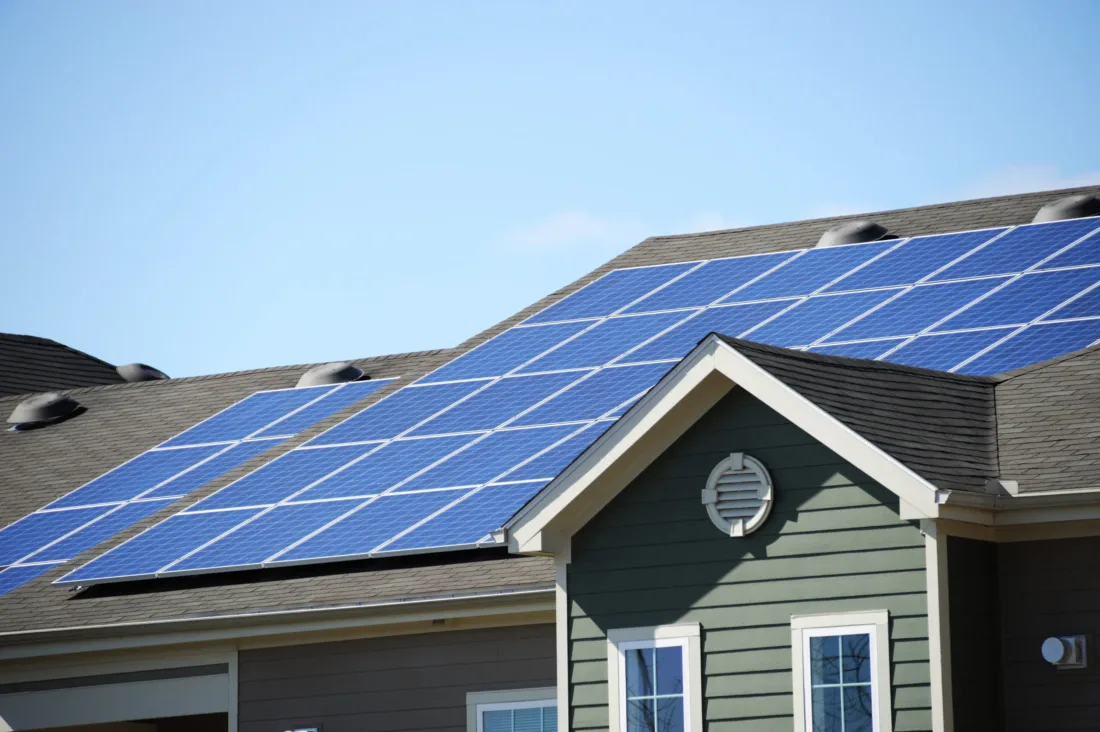
Annual generation depends on system size, panel efficiency, roof orientation, shading, weather, and other factors. Quality residential systems in Firestone, CO typically generate roughly 1,400 to 1,700 kWh per year per kW of installed capacity, with significant variation based on specific conditions. Generation is highest in summer, lowest in winter, with seasonal variation that net metering helps balance.
Performance over time.
Quality solar panels degrade slowly, typically 0.5% to 1% per year. After 25 years, a quality array still produces roughly 85% of its initial output. Panel manufacturer warranties typically guarantee specific performance levels at year 25 or 30.
Timeline expectations.
Residential solar projects from contract to operating array typically run 2 to 4 months. Most of that is permitting and utility interconnection. Actual on-site installation is typically 1 to 3 days for a standard residential system.
What can affect timeline.
Permitting jurisdiction speed, utility interconnection backlogs, equipment availability, and weather can all affect timeline. We provide realistic estimates and update as the project progresses.
What you’ll need to do as a homeowner.
Sign permits and contracts, coordinate access for site survey and installation, possibly upgrade your service panel if needed, set up monitoring app/portal after commissioning, and contact your insurance carrier to add the solar system to your policy. We coordinate these items but you’ll need to be responsive at specific stages.
Solar Installation Cost in Firestone, CO
Honest framing on residential solar pricing in Firestone, CO.
Total project cost components.
Total cost includes equipment (panels, inverters, racking), installation labor, electrical work, permits, engineering, utility interconnection fees, and any roof preparation or related work. Battery storage if elected is a significant addition.
Typical residential ranges.
Residential solar projects in Firestone, CO commonly run $20,000 to $50,000+ for typical home sizes, before federal tax credit and any other incentives. Smaller systems can run less; larger systems with battery storage can run substantially more. We provide written line-itemed quotes after the design phase.
Federal tax credit.
The federal solar tax credit (Investment Tax Credit / Residential Clean Energy Credit) covers a percentage of qualifying solar costs. Specific percentage varies based on tax year, confirm current rates with your tax advisor. The credit applies to ownership-structured purchases (cash or solar loan), not lease or PPA arrangements.
Other incentives.
Available state programs, utility rebates, and other incentives change periodically. We discuss the current landscape during the consultation phase rather than rely on stale information.
Financing options.
Cash purchase produces strongest economics. Solar loans (specialty solar lenders or home equity options) maintain ownership benefits with manageable monthly payments. Lease/PPA arrangements have lower or no upfront cost but produce smaller savings and complicate home sales. We discuss the trade-offs in detail.
Frequently Asked Questions: Solar Design and Installation
-
How long does the full installation process take?
From signed contract to operating array, residential projects in Firestone, CO typically run 2 to 4 months. Most of that is permitting (2-8 weeks) and utility interconnection (4-12 weeks). Actual on-site installation is typically 1 to 3 days. We provide a realistic project timeline as part of every proposal.
-
Will solar installation void my roof manufacturer warranty?
Properly installed solar that follows manufacturer-approved methods preserves the underlying roof manufacturer warranty. Sloppy installations, wrong fasteners, inadequate flashing, unauthorized modifications, can void warranty terms. We install in ways that preserve warranties.
-
Should I get microinverters or a string inverter?
It depends on your roof’s shading patterns. Unshaded south-facing roofs work well with string inverters at lower cost. Roofs with partial shading benefit from microinverters or power optimizers. We discuss the trade-offs based on your specific situation.
-
Can you install solar during a roof replacement?
Yes, and combined roofing-and-solar projects often produce better outcomes than installing solar on an existing roof. The solar attaches to the new roof rather than to an aging one, fewer detach-and-reset cycles in the future, cleaner integration. We coordinate both sides on combined projects.
-
Do I need a service panel upgrade for solar?
Sometimes. Older homes with smaller service panels (100 amp or less) sometimes need an upgrade to safely accommodate solar interconnection. We assess this during design and include any required electrical work in the project scope.
-
How does net metering work in Firestone, CO?
Net metering lets you bank excess solar generation against later usage with your utility. Specific policies vary by utility, Xcel Energy, United Power, IREA, and others all have somewhat different rules. We discuss the specifics that apply to your address during consultation.
-
What happens if I have storm damage to my solar after installation?
Most homeowner insurance policies cover hail and storm damage to solar arrays subject to your deductible and policy terms. We can help with damage documentation and coordinate with your carrier on claims. The solar manufacturer warranty also covers specific manufacturing defects and performance guarantees.
Get a Solar Installation Estimate in Firestone, CO
Whether you’ve completed an honest consultation and you’re ready to move forward with installation. You’re planning a combined roofing-and-solar project, or you want a written estimate to compare against quotes from other contractors, Baseline Roofing and Solar provides solar design and installation with attention to both the solar performance and the underlying roof’s long-term integrity. We tell you straight what fits your situation and what realistic outcomes look like.
-
More Solar Design & Installation Locations +
- Solar Design & Installation in Colorado
- Solar Design & Installation in Arvada, CO
- Solar Design & Installation in Aurora, CO
- Solar Design & Installation in Berthoud, CO
- Solar Design & Installation in Boulder, CO
- Solar Design & Installation in Brighton, CO
- Solar Design & Installation in Broomfield, CO
- Solar Design & Installation in Castle Pines, CO
- Solar Design & Installation in Castle Rock, CO
- Solar Design & Installation in Centennial, CO
- Solar Design & Installation in Cherry Creek, CO
- Solar Design & Installation in Cherry Hills Village, CO
- Solar Design & Installation in Colorado Springs, CO
- Solar Design & Installation in Commerce City, CO
- Solar Design & Installation in Englewood, CO
- Solar Design & Installation in Erie, CO
- Solar Design & Installation in Firestone, CO
- Solar Design & Installation in Fort Collins, CO
- Solar Design & Installation in Frederick, CO
- Solar Design & Installation in Golden, CO
- Solar Design & Installation in Greeley, CO
- Solar Design & Installation in Greenwood Village, CO
- Solar Design & Installation in Gunbarrel, CO
- Solar Design & Installation in Highlands Ranch, CO
- Solar Design & Installation in Lafayette, CO
- Solar Design & Installation in Lakewood, CO
- Solar Design & Installation in Littleton, CO
- Solar Design & Installation in Lone Tree, CO
- Solar Design & Installation in Longmont, CO
- Solar Design & Installation in Louisville, CO
- Solar Design & Installation in Loveland, CO
- Solar Design & Installation in Mead, CO
- Solar Design & Installation in Niwot, CO
- Solar Design & Installation in Northglenn, CO
- Solar Design & Installation in Parker, CO
- Solar Design & Installation in Superior, CO
- Solar Design & Installation in Thornton, CO
- Solar Design & Installation in Westminster, CO
- Solar Design & Installation in Wheat Ridge, CO
- Solar Design & Installation in Windsor, CO