Ceramic, Clay & Slate Tile Roofing in Commerce City, CO
Natural ceramic, clay, and slate roofing tiles are among the longest-lasting roofing materials in existence, properly installed clay or slate tile can deliver 75 to 100+ years of service. They bring distinctive architectural character that no other roofing material matches: Spanish clay barrel tile on Mediterranean and Spanish revival homes, natural slate on traditional and historic homes, ceramic flat tile on architectural styles where the look fits. They’re Class A fire-rated and aesthetically appropriate for Colorado homes built in styles where these materials are integral to the architecture. They also have specific limitations every Commerce City, CO homeowner should understand before specifying, particularly around hail vulnerability and structural weight requirements, that this page covers honestly.
Baseline Roofing and Solar installs and replaces ceramic, clay, and natural slate tile roof systems on appropriate Colorado homes. We work with the major tile manufacturers, coordinate structural verification when required, and install to the specific manufacturer specifications these systems require. Tile roofing is genuinely the right material on a small portion of Commerce City, CO homes, Spanish revival, Mediterranean, certain historic restorations, custom homes where the architectural style demands it. On the wrong home, tile is a costly mistake compared to composite alternatives that deliver similar aesthetic with better hail resistance and lower weight. We’ll tell you straight which category your home falls into.
This page covers what natural tile and slate actually are, the major tile material categories (ceramic, clay, concrete, natural slate), the structural weight considerations critical to tile installation, the honest hail-vulnerability issue specific to Colorado conditions, the cost picture, climate considerations, and when natural tile is the right call versus when composite alternatives make better sense for the home.
What Natural Tile and Slate Roofing Actually Are
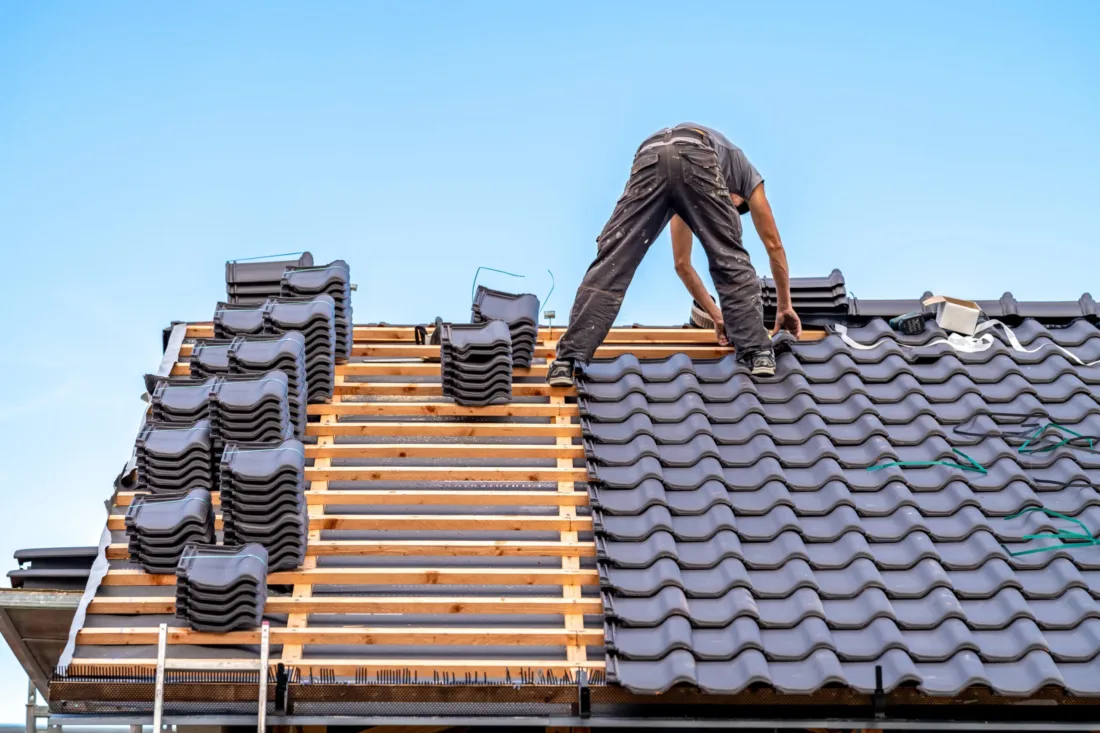
Tile roofing is a category of premium natural-material roofing systems where individual tiles are installed in overlapping courses. Each tile is a substantial structural component, typically 8 to 12 pounds per tile, and the installed system relies on the tiles’ weight, overlap, and mechanical fastening to provide weather protection over the underlayment beneath.
Within the broader tile category, several distinct materials each have their own characteristics.
Clay Tile
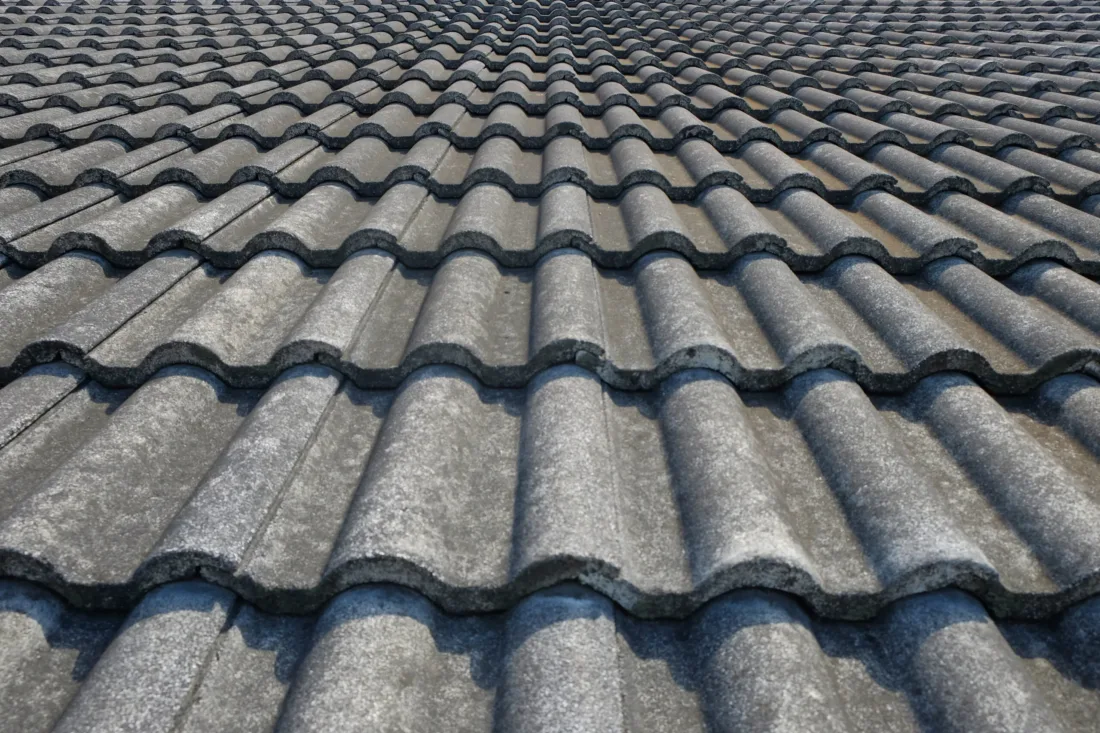
Tile manufactured from natural clay, formed into shape, then fired in a kiln at high temperatures. Traditional Spanish-style barrel tile (S-tile) is the most recognizable form, but clay also comes in flat tile, two-piece pan-and-cover tile, and other profiles. Clay color comes from the natural mineralogy of the clay (terra cotta is the classic) and from glazes applied during manufacturing. Clay tile is among the longest-lasting roofing materials available, quality clay tile can last 75 to 100+ years in suitable climates.
Major clay tile manufacturers and types.
Major manufacturers include Ludowici, US Tile (Boral), and Mission Clay Products, with both traditional Spanish profiles and modern flat-tile profiles available. Clay tile is typically more expensive than concrete tile but delivers the most authentic appearance and longest service life.
Concrete Tile
Tile manufactured from concrete (typically a sand and cement mix with iron oxide pigments for color), formed in the same shapes as clay tile. Concrete tile delivers similar visual character to clay at lower cost and slightly lower service life, typically 50+ years. The color comes from pigments mixed into the concrete and surface coatings; over decades, exposure can affect color in ways clay doesn’t experience to the same degree. Major manufacturers include Eagle Roofing Products, Westlake Royal Roofing Solutions (formerly Boral), and others.
Ceramic Flat Tile
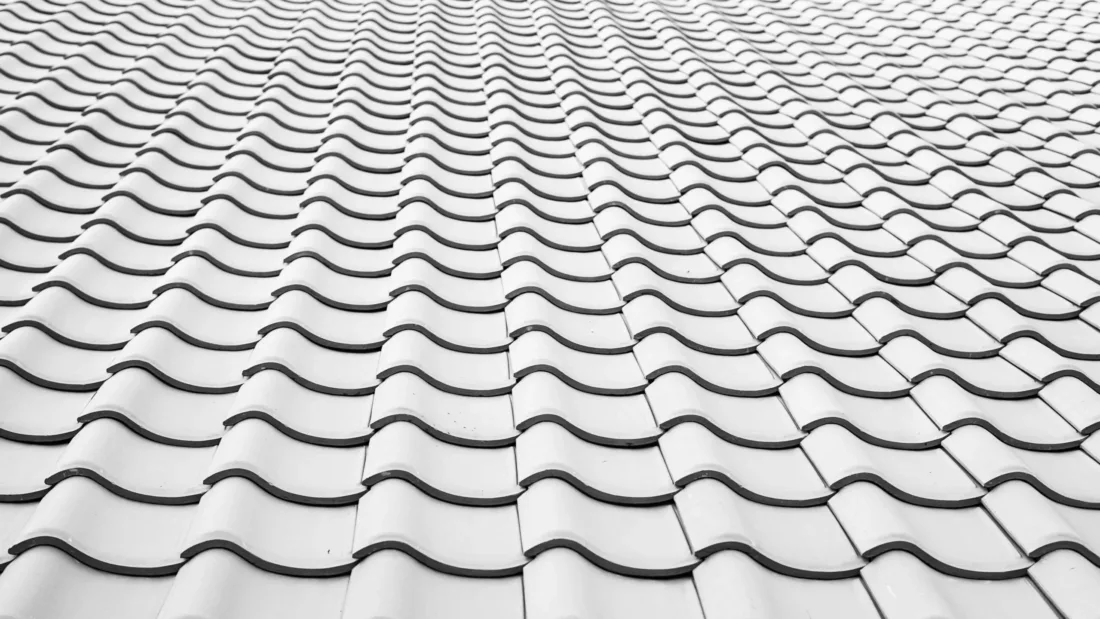
Smaller-format ceramic tiles in flat or low-profile shapes, less common than barrel tile but used on certain architectural styles. The category overlaps with what some manufacturers call “interlocking tile” or “flat tile.” Most ceramic flat tile is made from clay using similar processes to barrel tile.
Natural Slate
Genuinely natural metamorphic stone, quarried in slabs, then split and cut into roofing tiles. Real slate is one of the longest-lasting roofing materials in existence, properly installed natural slate can last 100+ years, with some historic European slate roofs still functioning after centuries. Slate is brittle, very heavy, and expensive to source and install. Major US sources include quarries in Vermont, Pennsylvania, and Virginia, with imported slate also common.
Structural Weight: The Critical Pre-Installation Consideration
Critical: Natural tile and slate weigh substantially more than asphalt or composite shingles, typically 600 to 1,500+ pounds per square (100 sq ft of roof). Most homes built for lighter roofing materials require structural engineering review and often structural reinforcement before tile or slate can be installed. This is non-negotiable for a safe, code-compliant installation.
Weight comparison.
Architectural asphalt shingles weigh roughly 250 to 300 pounds per square. Concrete tile typically weighs 800 to 1,000+ pounds per square. Clay tile weighs 600 to 1,500+ pounds per square depending on profile. Natural slate weighs 800 to 1,500+ pounds per square. Quality composite synthetic slate weighs 250 to 400 pounds per square, closer to asphalt.
Why this matters for your home.
Most residential homes are framed for asphalt-equivalent loads. A typical home framing system handles asphalt or composite without modification but cannot safely support clay, concrete, or natural slate without structural review and often reinforcement. Replacing existing asphalt with tile typically requires:
- Structural engineering review by a qualified engineer
- Possible rafter sizing upgrades or sister-rafter additions
- Possible truss replacement or reinforcement
- Possible wall and foundation review (less common but possible on very heavy systems)
- Building permit and inspection requirements
Original-construction tile homes.
Homes originally built with tile roofs were framed for the load and don’t require structural upgrades for tile-to-tile replacement. The structural concern applies to retrofits where tile is being added to a home not originally framed for it.
Why composites often make more sense.
This structural weight issue is one of the strongest arguments for synthetic composite tile (DaVinci, Brava, etc.) over natural tile on retrofit projects. Synthetic tile delivers the visual character at near-asphalt weight, eliminating the structural reinforcement requirement entirely. We discuss the trade-offs honestly during the proposal process.
Internal link: link to Composite Roofing Shingles Commerce City, CO page from this section.
The Hail Vulnerability Issue: Honest Assessment
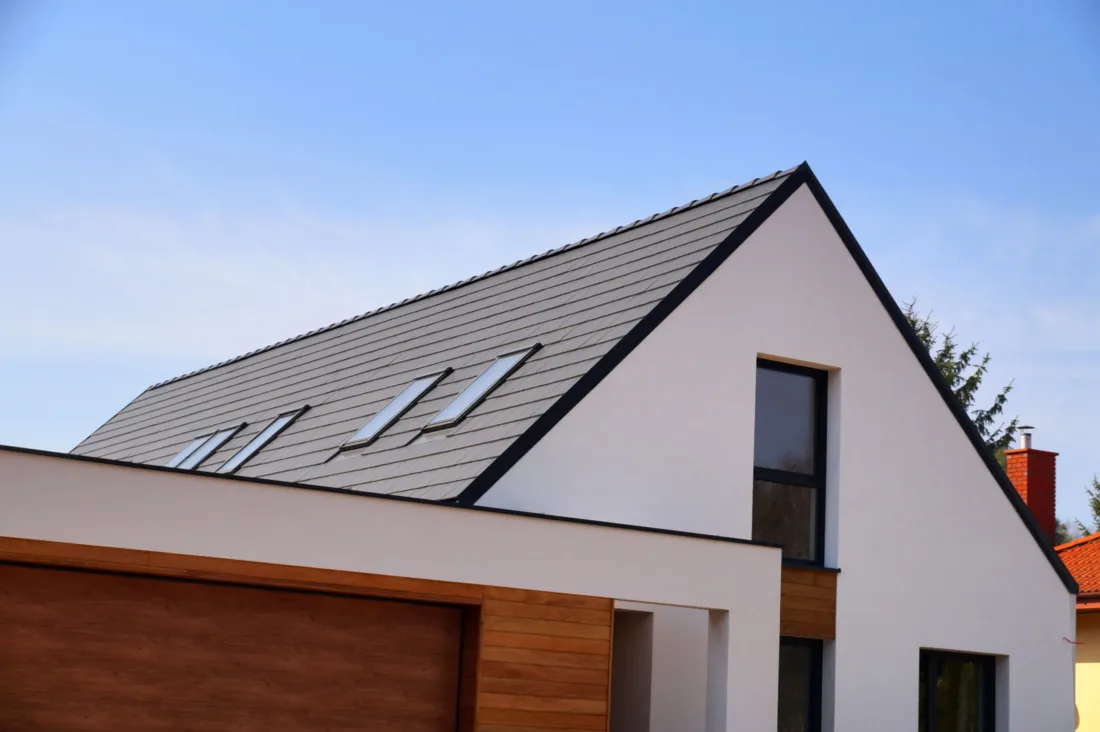
This is a critical Commerce City, CO-specific consideration most tile roofing pages don’t address honestly. Natural clay, ceramic, and slate are brittle materials. They are vulnerable to hail damage in ways that other roofing materials are not.
Why brittle materials are hail-vulnerable.
Hail impact transfers significant energy to the roof surface. Materials that flex, absorb, or deform under impact (asphalt with polymer modifiers, polymer composites, metal) tend to handle the impact without fracture. Brittle materials (natural clay, ceramic, slate, concrete tile) tend to crack or fracture under impact instead. Severe Colorado hail events regularly produce hail sizes that crack natural tile, Class 4 ratings on natural tile are essentially unavailable because the materials don’t pass UL 2218 testing at the higher classes.
What actually happens in a Colorado hail event.
On a typical clay or natural slate roof in a major Commerce City, CO hail event, scattered tiles develop cracks, fractures, or full breaks. The roof’s overall waterproofing may still function (cracked tiles often still shed water if the underlayment is intact), but visible damage accumulates. Replacement of damaged tiles requires sourcing matching product (sometimes difficult on aged tile that’s been discontinued) and skilled installation.
Insurance considerations on tile roofs.
Most homeowner insurance policies cover tile roof hail damage, but tile claims have specific complexities: matching tiles on aged or discontinued products, the cost of individual tile replacement versus broader scope, and occasionally cosmetic damage exclusions similar to those on metal roofs. Talk to your broker before specifying tile to understand your specific coverage.
Why this matters for the buy decision.
If you’re considering natural tile on a Commerce City, CO home not originally built for it, the combination of structural reinforcement requirements and hail vulnerability is a serious case for considering composite tile instead. Composite delivers similar aesthetic with much better hail resistance, lower weight, and lower cost. Natural tile makes more sense on homes originally built for it (where the structural cost is sunk and tile is the right architectural answer) or on protected mountain locations with less hail exposure.
Tile and Slate Cost Positioning
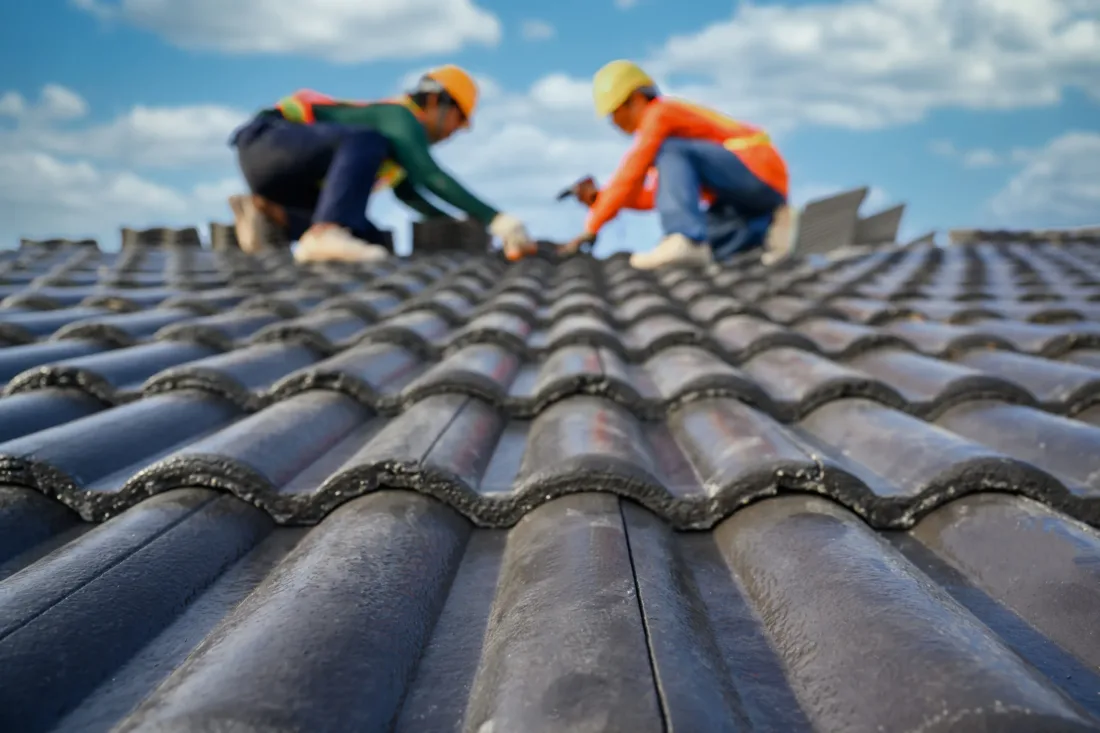
Natural tile and slate are at the upper end of the residential roofing cost spectrum. Honest expectation-setting matters.
Concrete tile.
The most cost-competitive of the natural tile category, roughly 2 to 3 times asphalt cost depending on product and complexity, before any structural upgrade work.
Clay tile.
Substantially more expensive than concrete tile, roughly 3 to 5 times asphalt cost depending on profile, manufacturer, and complexity. Imported and specialty profiles can be substantially higher.
Natural slate.
At the upper end of the residential cost spectrum, typically 4 to 6+ times asphalt cost depending on slate source, thickness, and installation complexity. Premium European slates and architectural-grade domestic slates can be substantially higher.
Structural upgrade costs.
On retrofit projects requiring structural reinforcement, the engineering and structural work can add tens of thousands of dollars to the project budget. This cost has to be factored into the tile-versus-composite decision.
Total cost-of-ownership math.
On homes with extreme long-term ownership horizons (multi-generational properties, historic homes), the 75-100+ year service life of natural tile and slate produces strong cost-per-year economics. For most residential ownership horizons (10-30 years), the per-year math is less favorable than the marketing materials suggest because the homeowner doesn’t realize the full service life benefit.
Tile and Slate in Colorado’s Climate
Hail performance: weak on natural materials.
As discussed above, natural tile and slate are brittle and hail-vulnerable. This is the single biggest practical concern for Colorado installations.
Fire resistance: excellent.
Natural clay, ceramic, slate, and concrete tile all carry Class A fire ratings inherently. For homes in WUI fire zones, tile delivers fire resistance equivalent to metal. Natural tile is sometimes specified specifically for fire-rating reasons in mountain communities.
Service life: exceptional in suitable applications.
On homes in mountain locations with less hail exposure, on protected southern Colorado markets, or on properly installed historic homes with regular maintenance, natural tile and slate genuinely deliver the multi-generational service life their marketing claims. The catch is that Colorado hail exposure interrupts that service life through claims-driven repairs and partial replacements.
UV at altitude: well-handled.
Clay, ceramic, and slate are inert materials that don’t degrade under UV the way organic-based materials do. Color holds up well over time on natural materials (concrete tile colors can fade more than clay).
Freeze-thaw considerations.
Clay tile is most vulnerable to freeze-thaw damage when water absorbs into porous clay and freezes, quality clay tile is denser and resists this, but lower-quality or aged clay can spall or crack from freeze-thaw cycles. Concrete tile and slate handle freeze-thaw better than lower-quality clay.
Snow shedding.
Tile roofs hold snow more than metal roofs but less than asphalt. Snow loads on tile roofs are typically within the structural capacity already provided by the tile-rated framing.
When Natural Tile or Slate Is Genuinely the Right Call
Despite the practical issues, natural tile and slate are the right material on certain specific Commerce City, CO homes.
Original-tile homes maintaining authentic character.
Homes originally built with clay tile (Spanish revival, Mediterranean architecture from earlier eras) often warrant tile replacement when the original is failing. The framing is rated for it, the architecture demands it, and substitution would compromise the home’s character. Natural tile-to-tile replacement on these homes is genuinely appropriate.
Historic restoration projects.
Restoration of historically significant homes where the original material was clay tile or natural slate often requires natural tile or slate to maintain historic accuracy. Historic preservation guidelines often specify exact material types.
Custom homes with strong architectural justification.
Custom builds where the architecture genuinely demands natural materials, and where the budget includes the structural cost from initial design, can warrant tile or slate. The cost is high but justified by the home’s intent.
Low-hail-exposure mountain locations.
Some specific Colorado locations have less hail exposure due to topography. Tile installations in these locations face less of the hail-vulnerability concern that drives decisions on the major commercial corridors.
When Composite Tile Often Makes More Sense
Most retrofit projects on homes not originally tile-roofed warrant serious consideration of composite tile alternatives. Composite delivers similar visual character with better hail resistance, lower weight (no structural upgrade required), and lower cost (often 50% less than natural tile). Brava Roof Tile, DaVinci, and other composite manufacturers produce convincing slate and Spanish-tile aesthetics. We’ll discuss the trade-offs honestly during the proposal process.
Frequently Asked Questions: Tile and Slate Roofing in Commerce City, CO
-
How long does a clay or slate tile roof last?
Quality clay tile typically lasts 75 to 100+ years in suitable climates. Concrete tile typically lasts 50+ years. Natural slate lasts 100+ years. The catch: hail damage across Colorado can interrupt that service life through replacement of damaged tiles, even though the underlying system continues to function.
-
How much does a tile roof cost in Commerce City, CO?
Concrete tile is roughly 2-3x asphalt cost; clay tile is 3-5x; natural slate is 4-6x or more, before any structural upgrade work. Total project costs on natural tile retrofits commonly run $80,000 to $200,000+ depending on home size, material, and structural requirements. We provide written estimates after on-site inspection and any required engineering review.
-
Will my home support a tile roof?
Most homes built for asphalt cannot support natural tile or slate without structural review and often reinforcement. Original-tile homes are framed for the load. We coordinate structural engineering review on retrofit projects to confirm what your home requires.
-
Is natural slate or composite slate better for Commerce City, CO?
On retrofit projects, composite slate is often the better practical choice for Commerce City, CO, better hail resistance, no structural upgrade required, lower cost, similar aesthetic. Natural slate makes more sense on historic restorations where authenticity is required, and on homes originally built for slate. We’ll discuss the trade-offs based on your specific situation.
-
Can hail damage be repaired on a tile roof?
Yes, damaged tiles can be replaced individually if matching product is available. The challenge on aged tile roofs is sourcing matching product when the original has been discontinued. Replacement of obviously cracked tiles is typical maintenance; broader hail damage may warrant full replacement scope on insurance claims.
-
Is tile a good choice for fire-prone areas?
Yes. Clay, ceramic, slate, and concrete tile all carry Class A fire ratings inherently. For Colorado WUI fire zones, tile is one of the legitimate fire-rated material choices alongside metal.
-
Will I have trouble matching tiles for repairs years from now?
Sometimes, yes, particularly on imported tile, specialty profiles, or products that have been discontinued. When specifying tile. It’s worth thinking about how matching might work years down the road. We can discuss product longevity and availability considerations during the proposal.
Get a Tile or Slate Roof Estimate in Commerce City, CO
Whether you’re maintaining an original-tile Spanish revival home, restoring a historic property, building a custom home where natural tile or slate is integral to the architecture, or evaluating tile against composite alternatives, Baseline Roofing and Solar can specify and install the right system. We’ll tell you straight whether natural materials or composite alternatives fit your home better, even though one might be more profitable for us than the other.
-
More Ceramic, Clay, & Slate Tiles Locations +
- Ceramic, Clay, & Slate Tiles in Colorado
- Ceramic, Clay, & Slate Tiles in Arvada, CO
- Ceramic, Clay, & Slate Tiles in Aurora, CO
- Ceramic, Clay, & Slate Tiles in Berthoud, CO
- Ceramic, Clay, & Slate Tiles in Boulder, CO
- Ceramic, Clay, & Slate Tiles in Brighton, CO
- Ceramic, Clay, & Slate Tiles in Broomfield, CO
- Ceramic, Clay, & Slate Tiles in Castle Pines, CO
- Ceramic, Clay, & Slate Tiles in Castle Rock, CO
- Ceramic, Clay, & Slate Tiles in Centennial, CO
- Ceramic, Clay, & Slate Tiles in Cherry Creek, CO
- Ceramic, Clay, & Slate Tiles in Cherry Hills Village, CO
- Ceramic, Clay, & Slate Tiles in Colorado Springs, CO
- Ceramic, Clay, & Slate Tiles in Commerce City, CO
- Ceramic, Clay, & Slate Tiles in Englewood, CO
- Ceramic, Clay, & Slate Tiles in Erie, CO
- Ceramic, Clay, & Slate Tiles in Firestone, CO
- Ceramic, Clay, & Slate Tiles in Fort Collins, CO
- Ceramic, Clay, & Slate Tiles in Frederick, CO
- Ceramic, Clay, & Slate Tiles in Golden, CO
- Ceramic, Clay, & Slate Tiles in Greeley, CO
- Ceramic, Clay, & Slate Tiles in Greenwood Village, CO
- Ceramic, Clay, & Slate Tiles in Gunbarrel, CO
- Ceramic, Clay, & Slate Tiles in Highlands Ranch, CO
- Ceramic, Clay, & Slate Tiles in Lafayette, CO
- Ceramic, Clay, & Slate Tiles in Lakewood, CO
- Ceramic, Clay, & Slate Tiles in Littleton, CO
- Ceramic, Clay, & Slate Tiles in Lone Tree, CO
- Ceramic, Clay, & Slate Tiles in Longmont, CO
- Ceramic, Clay, & Slate Tiles in Louisville, CO
- Ceramic, Clay, & Slate Tiles in Loveland, CO
- Ceramic, Clay, & Slate Tiles in Mead, CO
- Ceramic, Clay, & Slate Tiles in Niwot, CO
- Ceramic, Clay, & Slate Tiles in Northglenn, CO
- Ceramic, Clay, & Slate Tiles in Parker, CO
- Ceramic, Clay, & Slate Tiles in Superior, CO
- Ceramic, Clay, & Slate Tiles in Thornton, CO
- Ceramic, Clay, & Slate Tiles in Westminster, CO
- Ceramic, Clay, & Slate Tiles in Wheat Ridge, CO
- Ceramic, Clay, & Slate Tiles in Windsor, CO